Hit enter to search or ESC to close
March 11, 2026
Panel fences are a popular choice for property owners seeking security, privacy, and aesthetic appeal. These prefabricated sections are known for their ease of installation and durability. Whether you're looking to define property lines, create a pet-friendly enclosure, or simply enhance your landscape, a panel fence offers a versatile solution. This article will explore the various types, benefits, installation considerations, and maintenance tips for panel fences, helping you make the best choice for your needs.
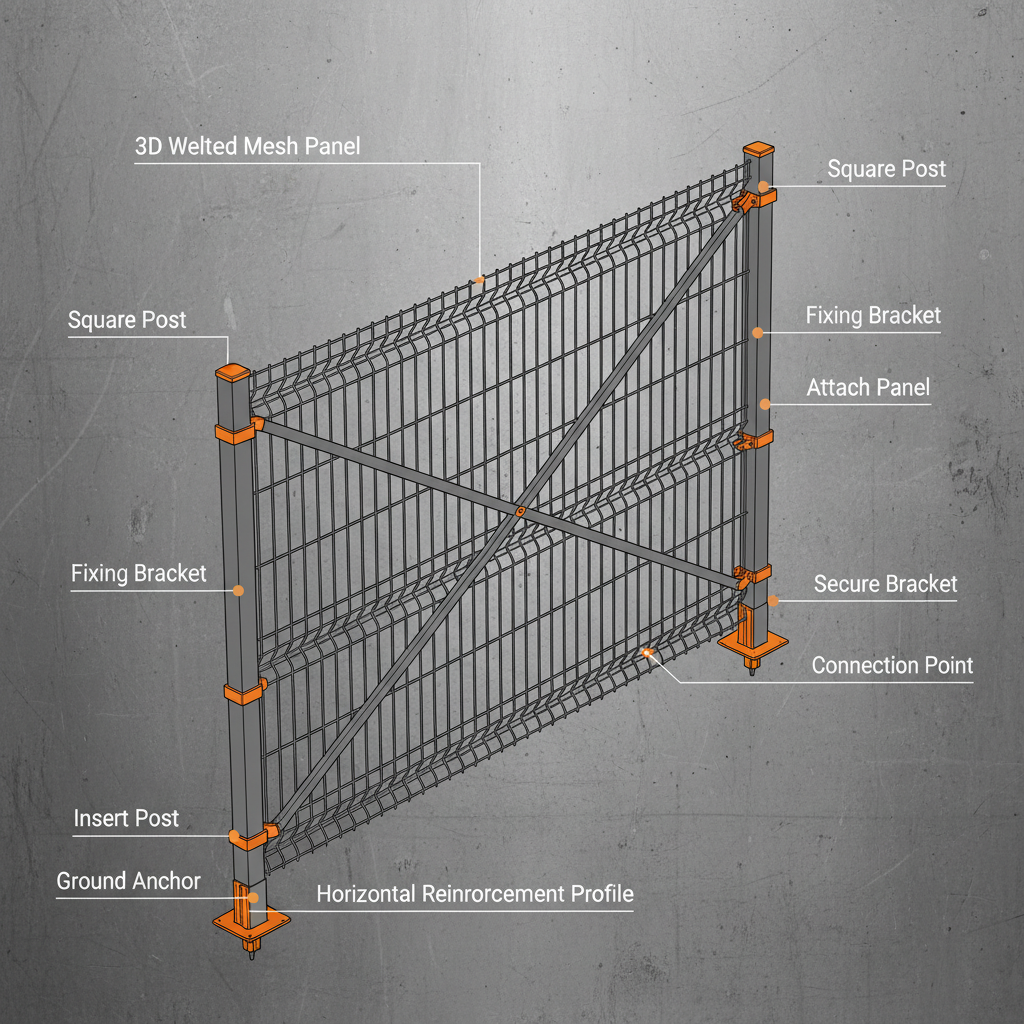
Panel fences come in a wide array of styles and materials to suit different tastes and budgets. Common options include:
Wooden Panel Fences: Offering a classic, natural look, wooden panel fences are popular for their aesthetic appeal. They require regular maintenance to prevent rot and decay.
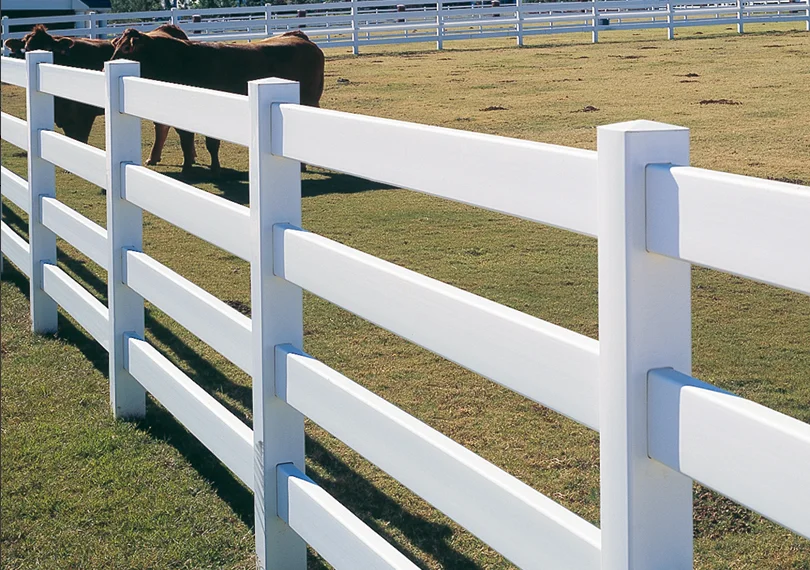
Vinyl Panel Fences: Known for their low maintenance and durability, vinyl fences are a long-lasting investment. They are resistant to weathering, fading, and insects.
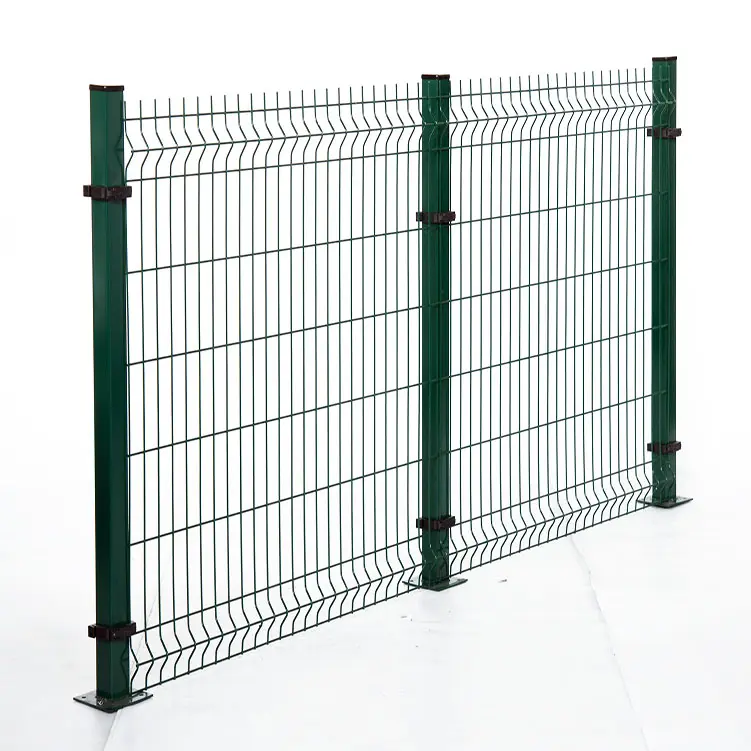
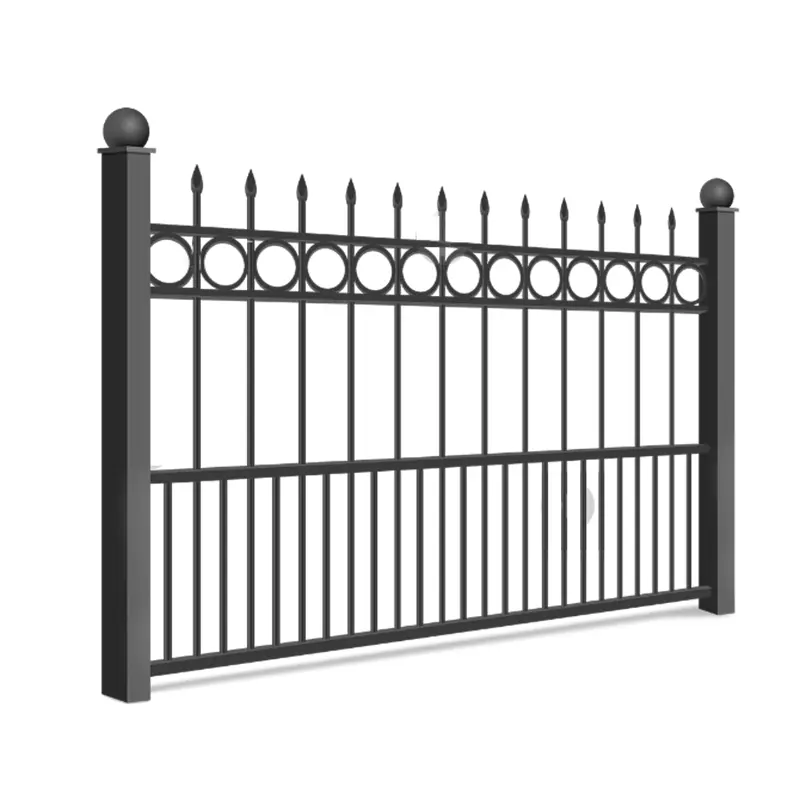
Metal Panel Fences: Providing robust security, metal panel fences are often used for commercial or high-security applications. Aluminum and steel are common materials.
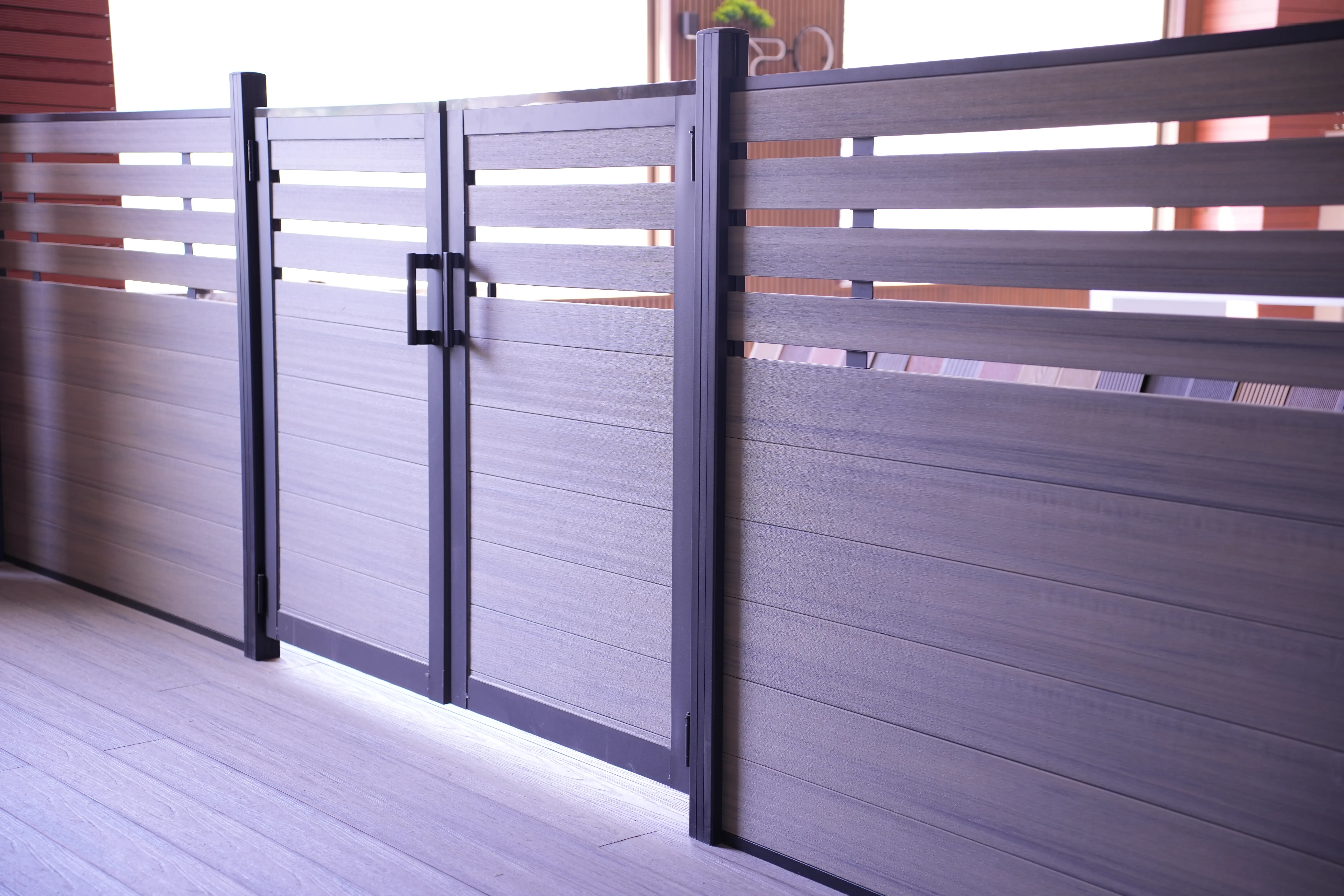
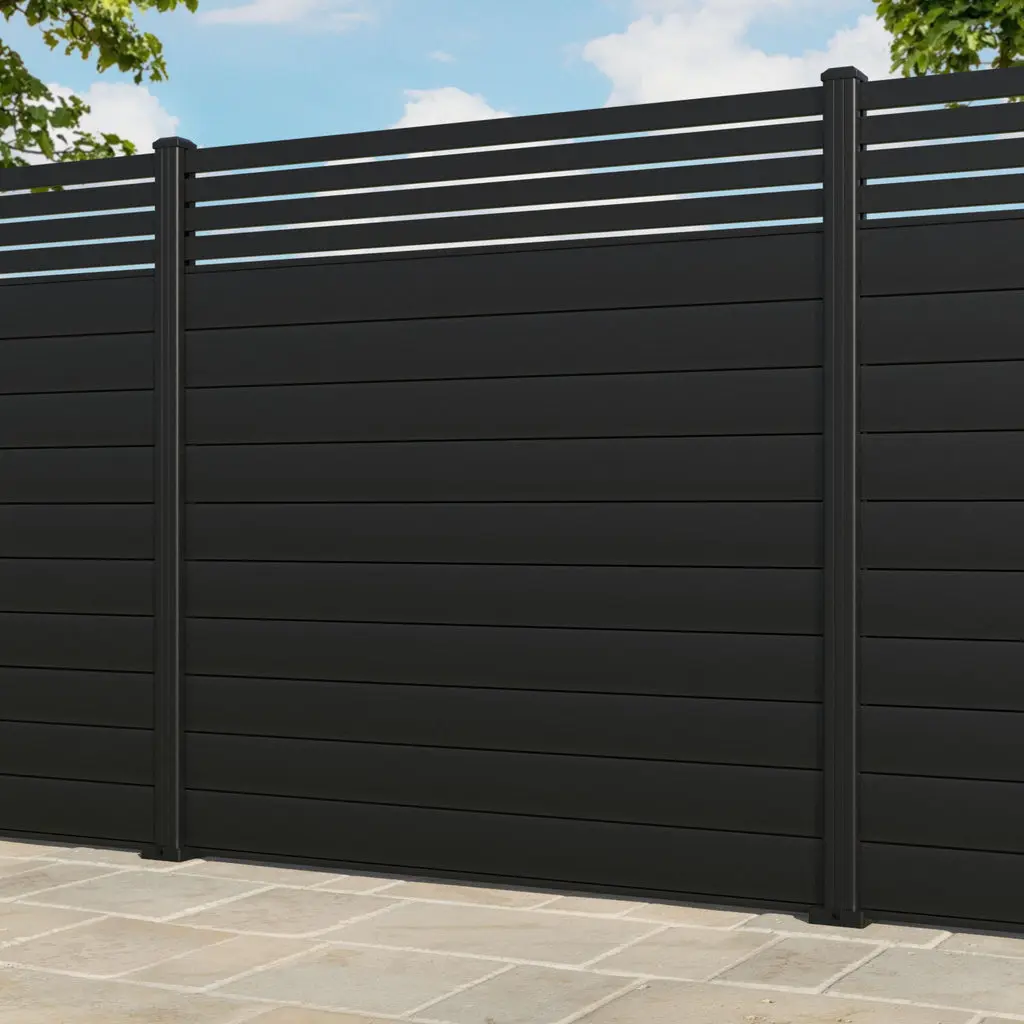
Composite Panel Fences: A blend of wood fibers and recycled plastic, composite fences offer the look of wood with enhanced durability and reduced maintenance.
Panel fences provide numerous advantages over traditional fencing methods. Their prefabricated design translates to faster and easier installation, saving both time and labor costs. The consistent quality and standardized sizes ensure a uniform and professional appearance. Additionally, panel fences offer excellent privacy and security, making them ideal for residential and commercial properties.
Key Highlights: Faster installation, Consistent quality, Enhanced privacy and security, Wide range of styles and materials.
Proper installation is crucial for the longevity and stability of your panel fence. Before starting, check local building codes and regulations regarding fence height and placement. Ensure the ground is level and free of obstructions. Using sturdy posts and appropriate hardware is essential. For DIY installations, careful planning and adherence to manufacturer’s instructions are vital. If you're unsure, consider hiring a professional fencing contractor to ensure a secure and aesthetically pleasing result. SDFenceCompany offers professional installation services.
Installation Checklist:
• Check local building codes
• Level the ground
• Use sturdy posts and hardware
• Follow manufacturer’s instructions
Choosing the right material for your panel fence depends on your budget, desired lifespan, and aesthetic preferences. Here’s a comparison of common materials:
Regular maintenance will extend the life of your panel fence. For wooden fences, this includes annual staining or sealing to protect against moisture damage. Vinyl fences require only occasional cleaning with soap and water. Metal fences may need periodic painting to prevent rust. Inspect your fence regularly for any signs of damage, such as loose panels or broken posts, and address these issues promptly.
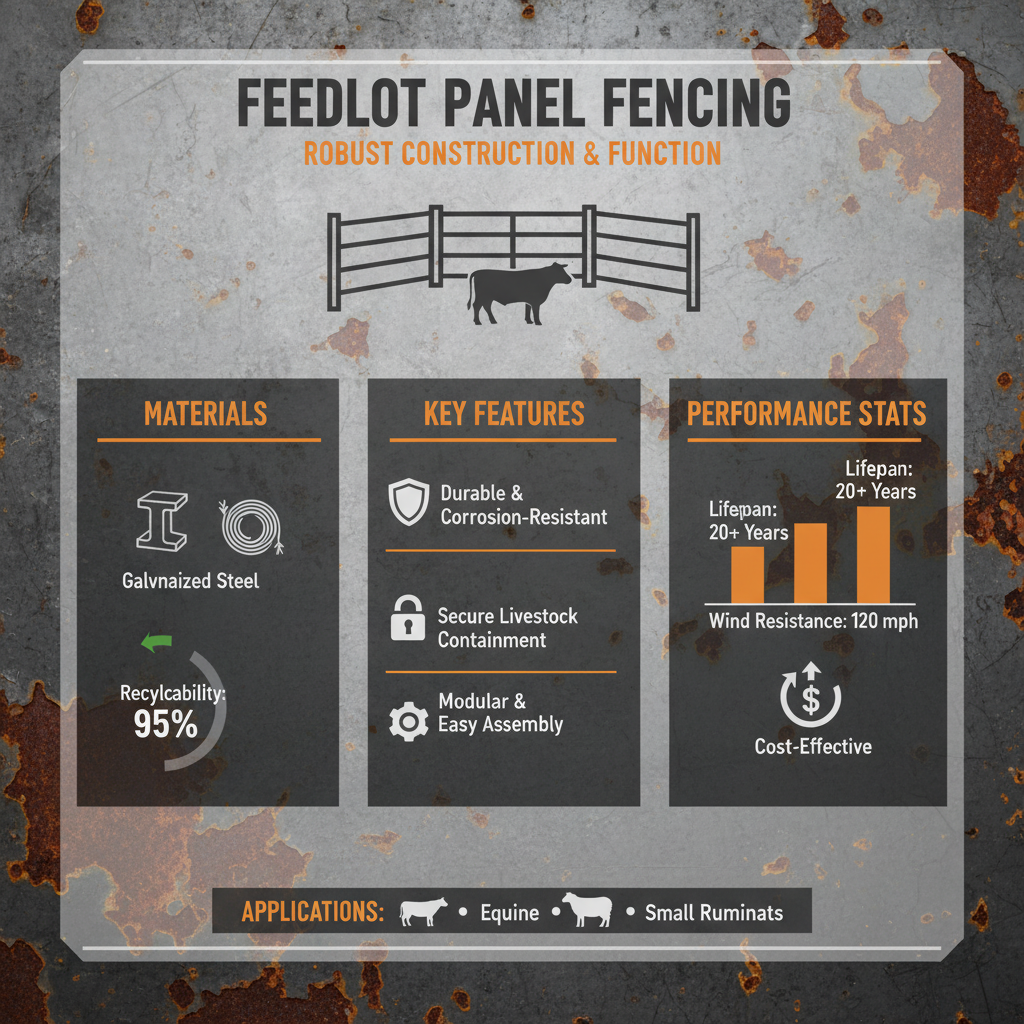
Investing in a panel fence is a great way to enhance your property’s security, privacy, and aesthetic appeal. By carefully considering your needs, budget, and local conditions, you can select the perfect panel fence for your home or business. SDFenceCompany provides a wide selection of high-quality panel fences and professional installation services to meet your needs.
Fence height regulations vary significantly depending on your location. Typically, residential fences are limited to 6 or 8 feet in height. However, some areas may have stricter limitations, particularly in front yards or near property lines. It’s crucial to check with your local zoning department or homeowners association before installing a fence to ensure compliance. Ignoring these regulations can result in fines or the requirement to remove the fence.
Cleaning a vinyl panel fence is relatively simple. Typically, a garden hose with a gentle spray nozzle is sufficient for removing dirt and debris. For more stubborn stains, use a mild soap (such as dish soap) and water solution, scrubbing gently with a soft-bristled brush. Avoid using harsh chemicals or abrasive cleaners, as these can damage the vinyl surface. Rinse thoroughly with water and allow to air dry.
Wooden panel fences should ideally be stained or sealed every 1-3 years, depending on the climate and exposure to the elements. Regular application of a protective coating helps prevent moisture absorption, rot, and decay. Before applying a new coat, it’s important to clean the fence thoroughly and allow it to dry completely. Inspect the wood for any signs of damage and repair as needed before applying the stain or sealant.
Yes, panel fences can be installed on sloped ground, but it requires careful planning and execution. Techniques such as stepping the fence panels or using racking (angling the panels to follow the slope) can be employed. Stepping involves creating a series of shorter fence sections that follow the contour of the land. Racking requires adjusting the angle of the panels to maintain a consistent appearance. Professional installation is recommended for sloped ground to ensure stability and a visually appealing result.
Leave Us a Message


If you are interested in our products, you can choose to leave your information here, and we will be in touch with you shortly.