The Rise of Composite Fence Panel A Durable and Low Maintenance Solution

0%

Table of Contents

Look, I've been wrestling with fencing materials for twenty years, and let me tell you, the game has changed. We used to be stuck with wood that rotted, metal that rusted, and vinyl that cracked. Now? We're seeing a real shift towards composite fence panels, and it's not just a trend – it’s a solution. It’s about building things that last, reducing headaches for homeowners, and frankly, making my job a lot easier. This isn't about slapping up a pretty barrier; it’s about creating durable, low-maintenance security and aesthetics. Composite Fence Panel are becoming the go-to for anyone serious about quality.

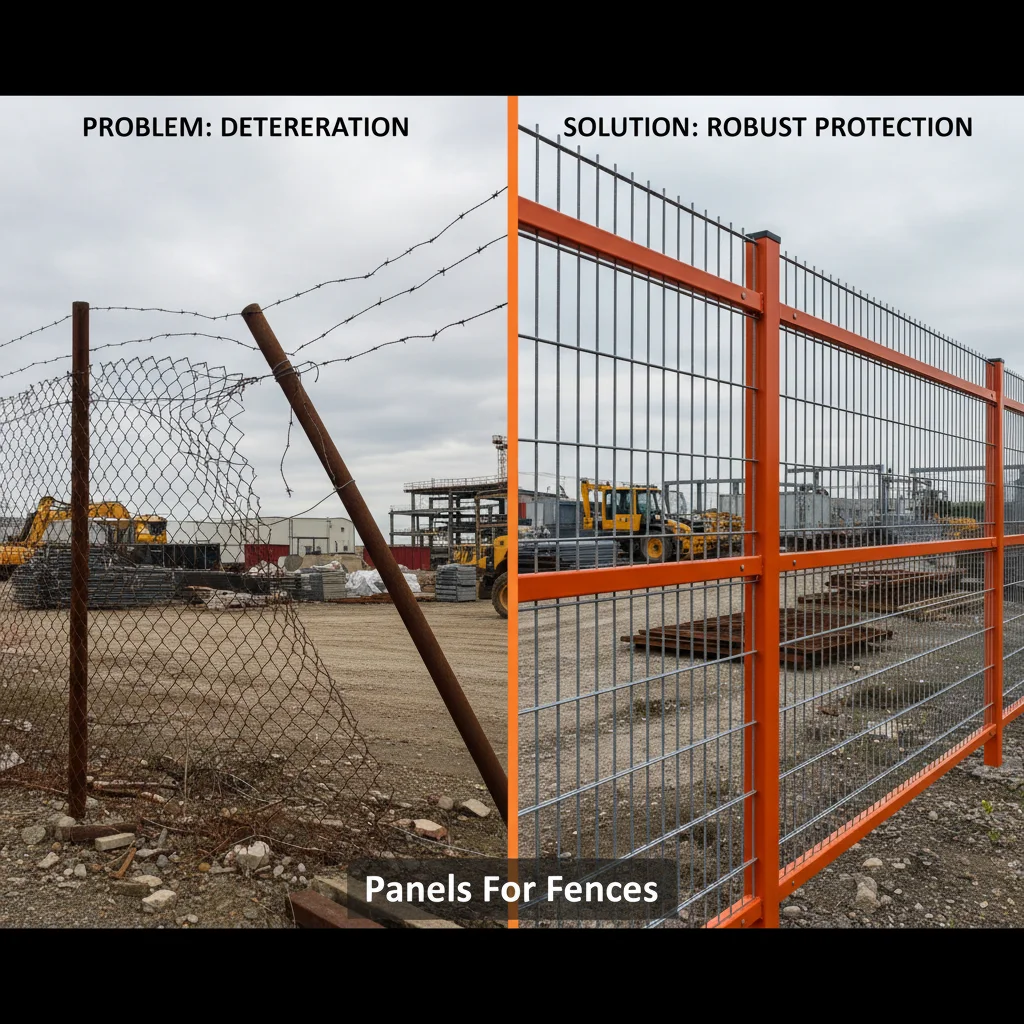
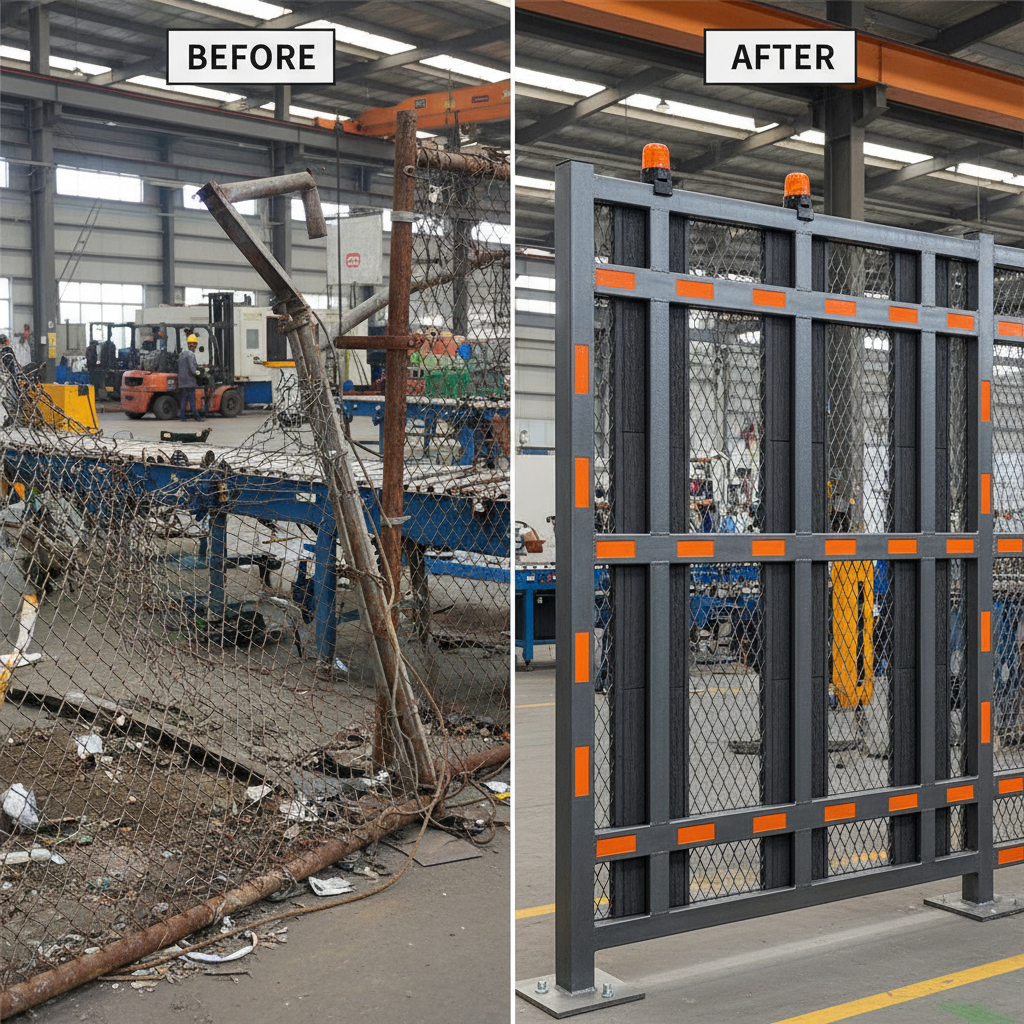
For too long, we've been patching and replacing fences instead of building them right the first time. I’ve seen budgets blown on constant upkeep. These composite panels? They address that directly. They're engineered to withstand the elements – scorching sun, freezing temperatures, even the occasional impact – without the constant need for staining, painting, or repairs. The demand is growing, and I'm seeing more and more projects specifying composites, especially in coastal areas and harsher climates.

I've talked to countless contractors, homeowners, and engineers, and the feedback is consistent: they want something reliable and cost-effective in the long run. Composite fence panels deliver on both fronts. We're moving beyond just price tags and starting to calculate true lifecycle costs, and that's where these panels really shine.
Composite Fence Panel

The Benefits of Composite Fence Panel in Modern Construction

Composite Fence Panel

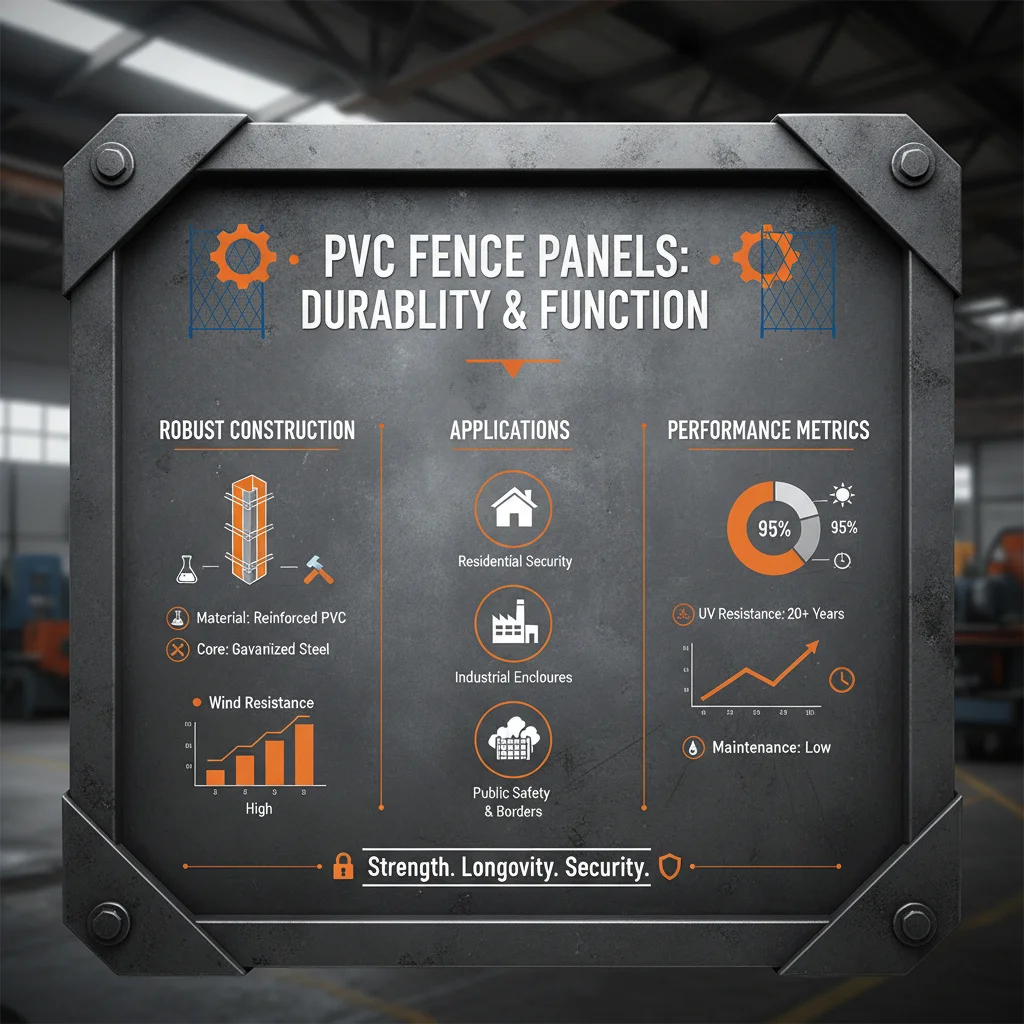
I’ve seen a lot of materials come and go, but composite fence panels are sticking around for a reason. They offer a remarkable balance of durability, aesthetics, and cost-effectiveness that traditional materials just can’t match. I've been on sites where wood fences needed replacing after just five years, and metal ones were riddled with rust. These panels? They hold up. The upfront cost might be slightly higher, but you're saving money on maintenance and replacement down the line.

From a practical standpoint, they're also easier to work with. No more splintering, warping, or constant sanding. Installation is quicker, meaning lower labor costs, and less disruption for the homeowner. Contractors appreciate that, and so do I. Composite Fence Panel truly streamline the process, which in this business, is huge.

Understanding Composite Fence Panel Composition

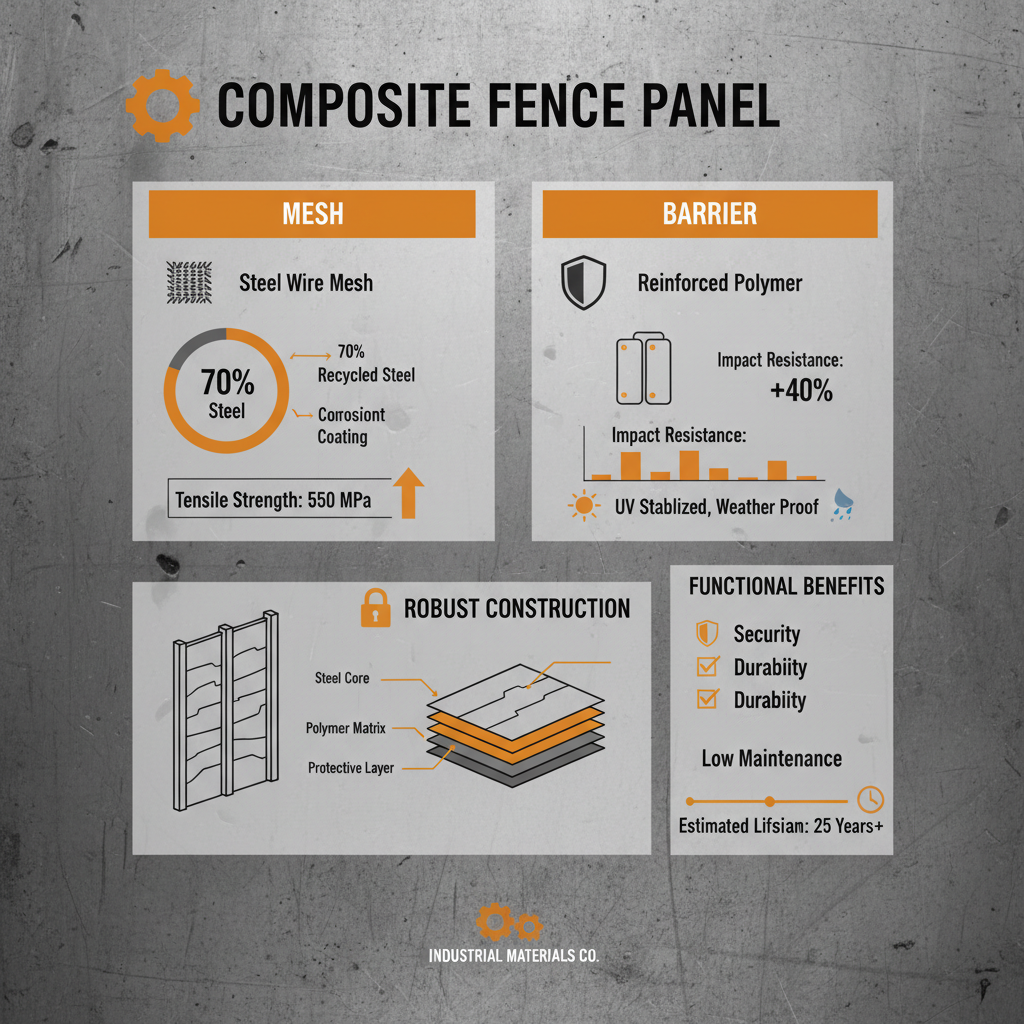
What are these things made of, anyway? It's not just plastic, people. It's a blend, usually wood fibers or bamboo combined with recycled plastic. That’s what gives them their strength and resistance to weathering. The quality of the composite depends heavily on the ratio and the type of plastic used. Cheaper panels might use lower-grade plastics that become brittle over time, but the good stuff – the stuff I recommend – uses high-density polyethylene (HDPE) and polypropylene.

The manufacturing process is key too. Extrusion is the most common method, but the way the composite is formed and the additives used can significantly impact the panel’s performance. Look for panels with UV inhibitors to prevent fading and cracking, and those that have been tested for impact resistance. It's not just about what it's made of; it's how it's made.

Understanding the composition allows you to pick the right panel for the job. If you're in a high-traffic area, you'll want a panel with a higher density and stronger core. For aesthetic purposes, you can choose from a wide range of colors and textures.

Core Components of Superior Composite Fence Panel Designs

When I’m evaluating composite fence panels, there are a few core components I focus on. First, the capping – that’s the outer layer that protects the core from the elements. A high-quality cap will be thick and durable, offering superior resistance to fading, staining, and scratching. Without a good cap, you're setting yourself up for trouble.

Next, the core itself. It’s the engine that drives the panel’s strength and stability. A solid, dense core is crucial, especially in areas prone to high winds or impacts. I've seen cheap panels with hollow cores crumble under minimal pressure. It's not worth the risk. The composition of the core itself matters, too – a higher wood fiber content generally means a more natural look and feel, but can also impact durability if not properly treated.

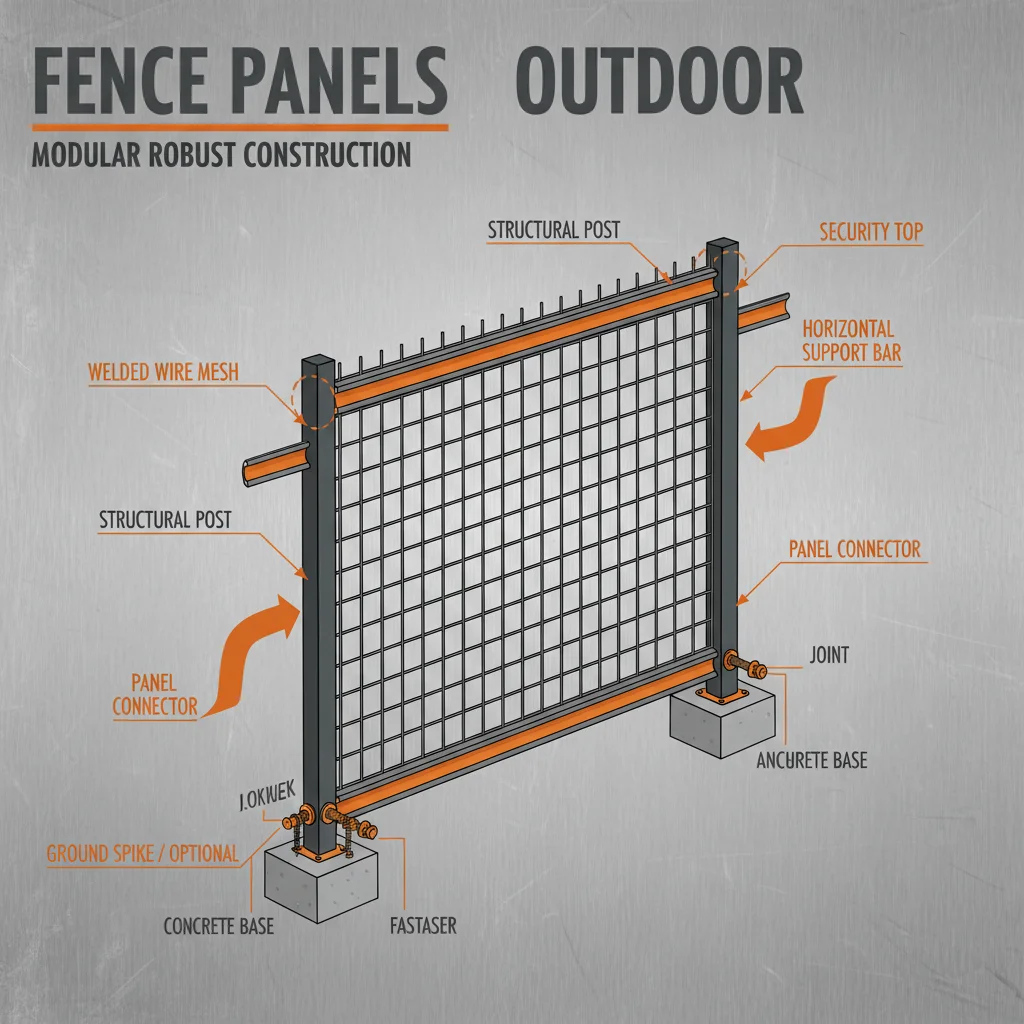
Finally, the locking mechanisms and post systems are critical. A poorly designed system will lead to a wobbly, unstable fence. Look for panels that interlock securely and posts that are reinforced for added strength. The devil’s in the details, and a well-engineered system makes all the difference.

Real-World Applications of Composite Fence Panel

I’ve seen these panels used everywhere, from suburban backyards to commercial properties. They're ideal for privacy fencing, pool enclosures, and even noise barriers along highways. One project I worked on involved a large residential development where the HOA mandated composite fencing for its low maintenance and consistent appearance. It saved them a ton of money in the long run.

They're particularly popular in coastal areas where salt spray and humidity can wreak havoc on traditional materials. I’ve installed panels within a mile of the ocean that still look brand new after ten years. They’re also a great option for farms and ranches, where they can withstand the wear and tear of livestock and harsh weather.

Composite Fence Panel Application Ratings

The Long-Term Advantages of Composite Fence Panel

Let's talk about the bottom line. Over the lifespan of a fence, Composite Fence Panel consistently outperforms traditional materials. The reduced maintenance alone is a huge cost savings. No more annual staining or painting, no more replacing rotten posts. It frees up your time and your money.

There's also the environmental aspect. Many composite panels are made from recycled materials, reducing landfill waste. And because they last longer, you’re reducing the demand for new materials, further minimizing your environmental impact. It’s a win-win.

Innovations and Future Trends in Composite Fence Panel Technology

We're not standing still. Manufacturers are constantly innovating, developing new composites with even greater durability and aesthetic appeal. I’m seeing panels with more realistic wood grain textures and improved color retention. There’s also a growing focus on using bio-based plastics, further reducing the environmental footprint.

One exciting trend is the integration of smart technology. Imagine panels with built-in lighting or security sensors. It’s not science fiction; it’s happening. We’re also seeing more modular designs that make installation even easier and allow for greater customization. The future of fencing is looking pretty bright.

The development of more sustainable core materials is also key. Using agricultural waste products instead of traditional wood fibers is a huge step forward.

Challenges and Solutions in Composite Fence Panel Implementation

Now, let’s be real. No material is perfect. One challenge with composite panels is their initial cost – they’re typically more expensive than wood. But, as I’ve said, you have to look at the long-term costs. Another potential issue is expansion and contraction with temperature changes. Proper installation, with appropriate gaps between panels, is crucial to mitigate this.

I’ve also seen some issues with improper fastening techniques. Using the wrong type of screws or nails can compromise the integrity of the fence. Always follow the manufacturer's recommendations. The biggest hurdle, honestly, is educating homeowners and contractors about the benefits and proper installation techniques.

To overcome these challenges, I recommend thorough research, choosing reputable manufacturers, and working with experienced installers. A little extra upfront investment can save you a lot of headaches down the road.

Summary of Composite Fence Panel Challenges and Solutions

Challenge Severity (1-10) Potential Solution Implementation Cost (1-10)
Higher Initial Cost 6 Lifecycle Cost Analysis 2
Thermal Expansion/Contraction 7 Proper Installation Gaps 1
Improper Fastening 8 Manufacturer Recommended Fasteners 3
Lack of Industry Knowledge 9 Contractor Training & Education 4
Lower Quality Materials 7 Choose Reputable Manufacturers 3
UV Degradation (Cheaper Panels) 6 Panels with UV Inhibitors 2

FAQS

What is the typical lifespan of a composite fence panel?

Unlike wood which can rot or metal which rusts, a quality composite fence panel can easily last 25-30 years, even in harsh climates. The durable materials resist weathering, impact, and insect damage, minimizing the need for repairs or replacements. Proper installation is key, of course, but the materials themselves are built to endure. It's a true long-term investment, saving you money and hassle down the line.

Are composite fence panels more expensive than wood fences?

Initially, yes, the upfront cost of composite fencing is typically higher than wood. However, when you factor in the long-term maintenance costs – staining, painting, repairs, and eventual replacement – composite often becomes the more cost-effective choice. You're not just paying for a fence; you're buying peace of mind and years of worry-free performance. Think of it as an investment, not just an expense.

How do composite fence panels hold up in extreme weather conditions?

Composite panels are specifically engineered to withstand extreme weather. They resist warping, cracking, and fading from sun exposure. They are also impermeable to moisture, preventing rot and mold growth. In high-wind areas, ensure the panels are securely fastened to reinforced posts. Many panels are tested to withstand hurricane-force winds. They truly are built tough.

Are composite fence panels environmentally friendly?

Many composite fence panels are made from recycled plastics and wood fibers, diverting waste from landfills. The durability of the material also reduces the need for frequent replacements, minimizing the demand for new resources. Choosing a composite fence can be a sustainable choice, contributing to a more environmentally responsible building practice. Look for panels with certifications indicating recycled content.

How easy is it to install composite fence panels?

Installation is generally easier than with traditional wood fences. Composite panels are lightweight and typically come with interlocking systems. However, proper post installation is crucial for stability. While a DIYer can tackle the project, professional installation is recommended to ensure a level, secure, and long-lasting fence. Proper planning and attention to detail are key.

Can composite fence panels be painted?

While some composite panels can be painted, it’s generally not recommended. Most are designed with a color that runs throughout the material, so painting won’t adhere properly and may peel or fade. If you desire a different color, it's best to choose a panel that's already manufactured in that shade. Attempting to paint can void the warranty as well, so be cautious.

Conclusion

From my years on the ground, working with these materials, it’s clear that composite fence panels represent a significant leap forward in fencing technology. They offer a compelling combination of durability, low maintenance, and aesthetic appeal, making them a smart choice for homeowners and contractors alike. It’s about building better, building stronger, and building for the long haul. Composite Fence Panel isn’t just a product; it’s a solution.

As the technology continues to evolve, with innovations in materials and design, I expect to see even wider adoption of composite fencing. We need to embrace these advancements, educate ourselves and our clients, and build a future where fences are built to last. If you're considering a fence, do your research, choose quality materials, and invest in a system that will provide you with years of security and peace of mind.

Brian Wilson

Brian Wilson

Brian Wilson is S D Company's Logistics Coordinator for North America. He manages all aspects of import/export, warehousing, and distribution to ensure prompt and efficient delivery of products to customers across the US. Brian's expertise in international trade regulations and supply chain optimization is critical to S D's ability to
Previous Panel Fence Solutions
Next The Enduring Value of 68 Fence Panels for Enhanced Security and Longevity

If you are interested in our products, you can choose to leave your information here, and we will be in touch with you shortly.