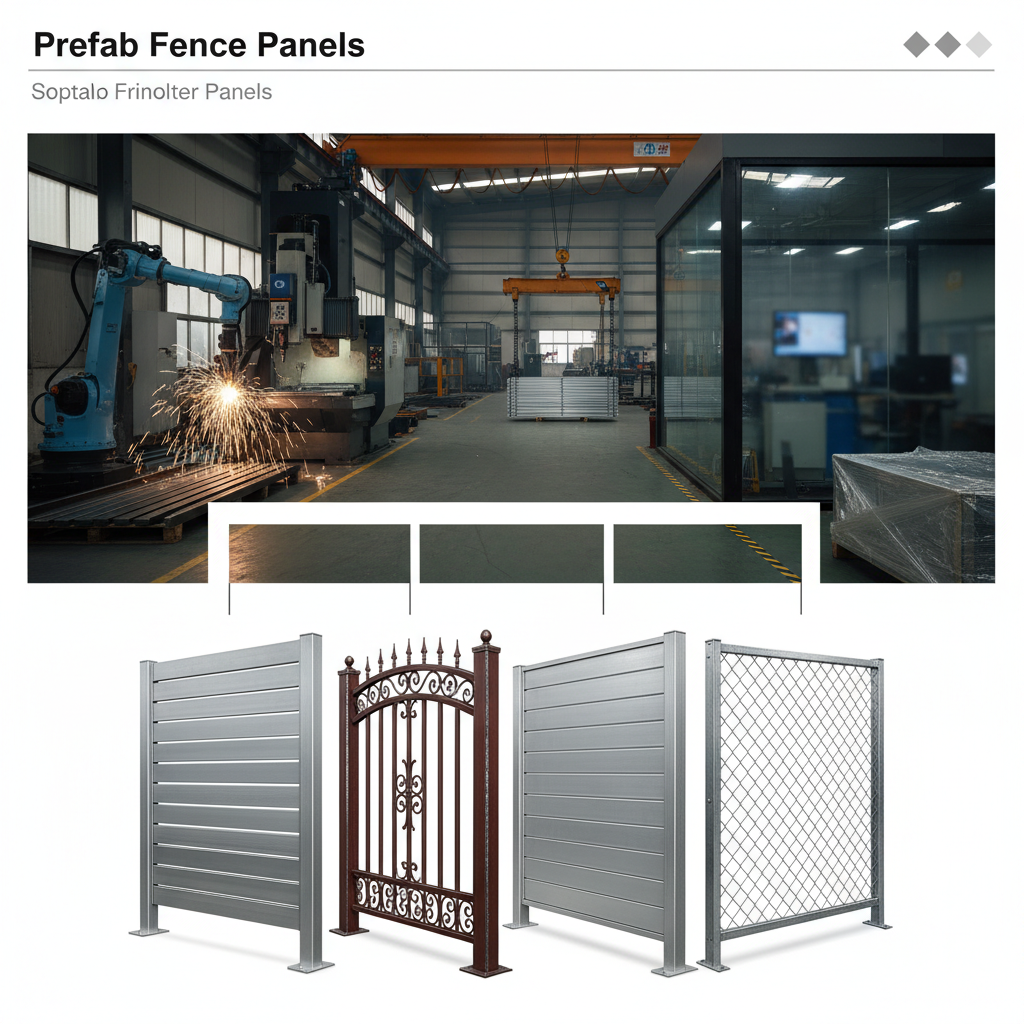
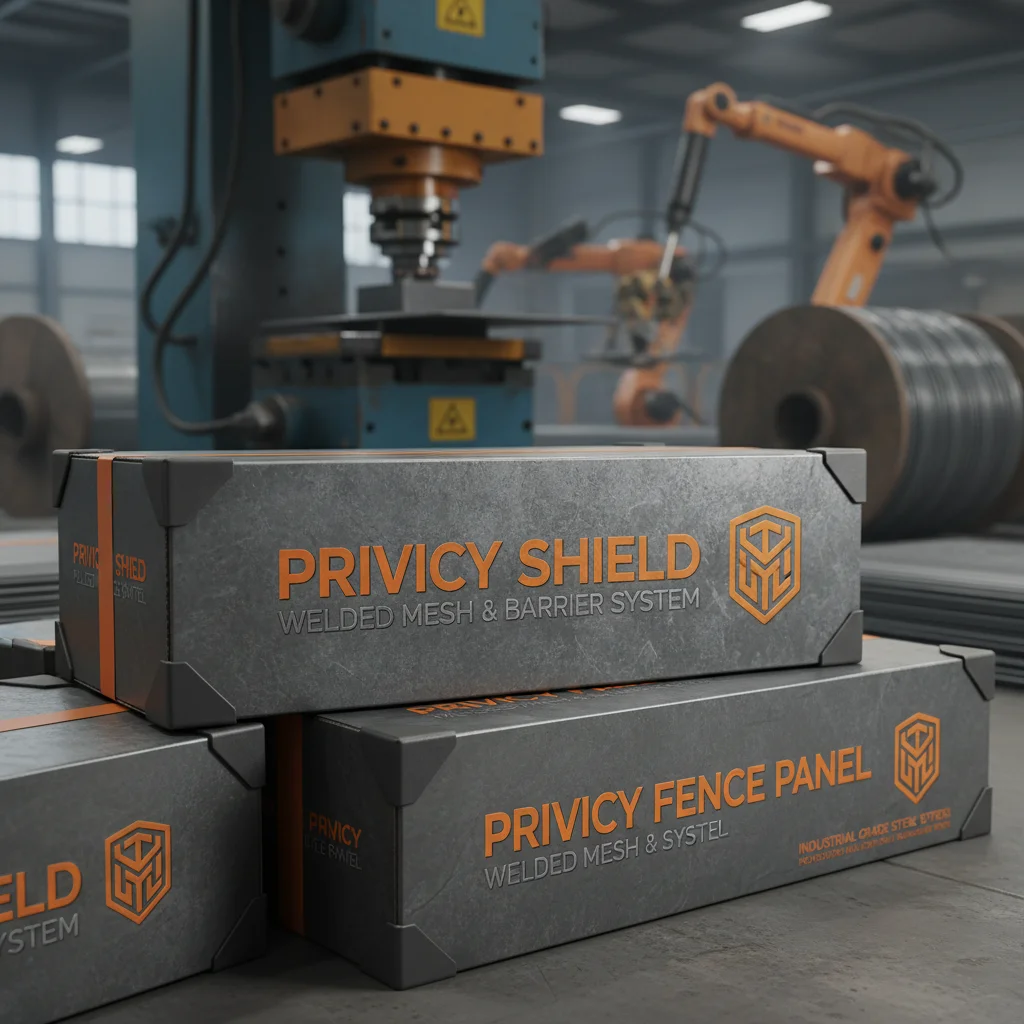
In the evolving landscape of modern infrastructure, Prefab Fence Panels have emerged as a pivotal solution for securing perimeters with unprecedented efficiency. By shifting the fabrication process from the job site to a controlled factory environment, these systems eliminate the inconsistencies of traditional on-site construction, ensuring that every segment meets rigorous structural standards before it even reaches the installation point.
The global demand for rapid deployment and cost-effective boundary management has pushed the industry toward modularity. Whether for residential privacy, industrial security, or temporary containment, Prefab Fence Panels provide a scalable framework that allows property owners and project managers to implement high-strength barriers without the prolonged downtime and labor costs associated with custom masonry or traditional carpentry.
Understanding the nuances of prefabricated fencing is no longer just for contractors; it is essential for anyone seeking a balance between aesthetic appeal, long-term durability, and environmental sustainability. As material sciences advance, these panels are becoming lighter, stronger, and more resistant to corrosion, making them the gold standard for contemporary architectural and security needs.
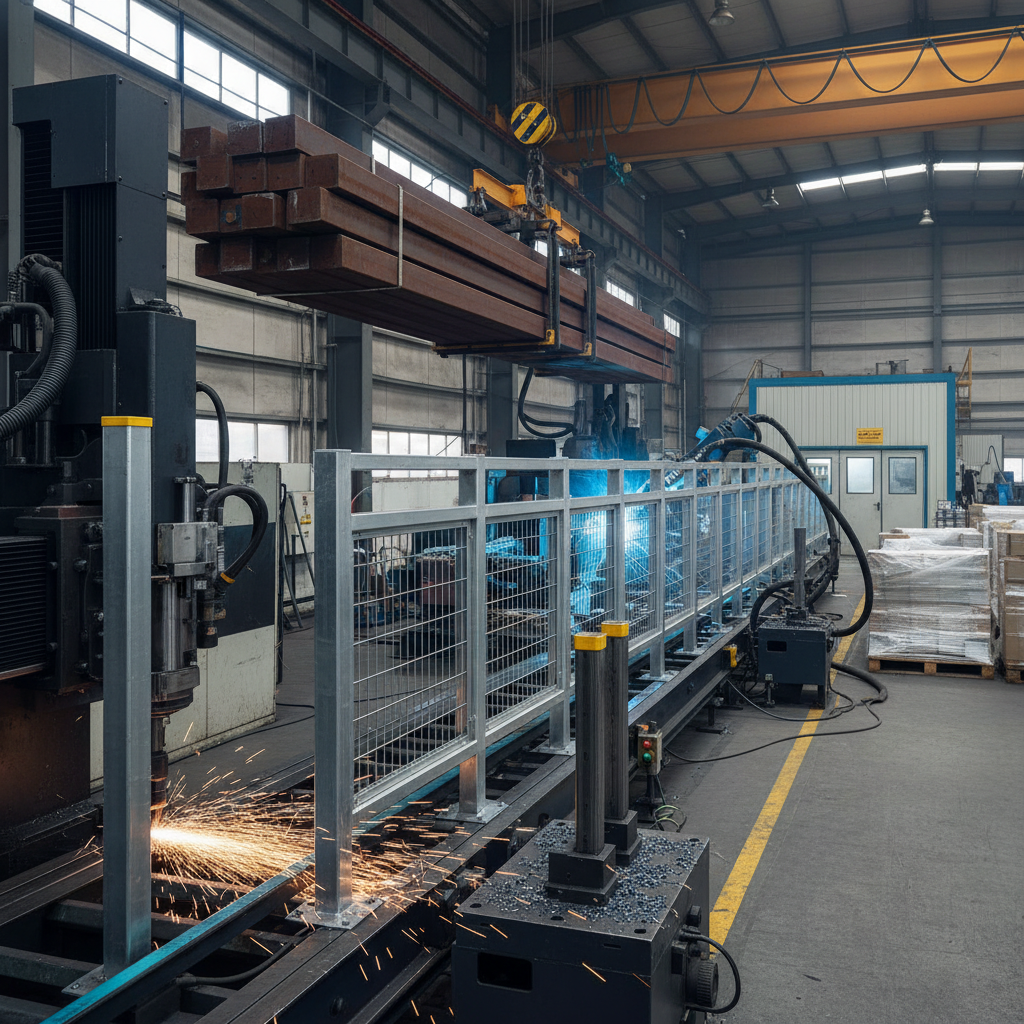
Global Industry Context of Prefab Fence Panels
The global construction market is currently experiencing a paradigm shift toward industrialization, with a significant lean toward modular components. According to trends mirrored in ISO structural standards, the adoption of Prefab Fence Panels has accelerated as urban centers expand and the need for rapid perimeter securing becomes critical. The industry is moving away from labor-intensive "stick-built" fencing toward these precision-engineered systems to combat rising labor costs and material waste.
One of the primary challenges addressed by these panels is the volatility of on-site environmental conditions. Traditional fencing often suffers from weather-related delays and uneven curing of materials. By utilizing prefab systems, the manufacturing process occurs in a climate-controlled facility, ensuring that the structural integrity of the panels is not compromised by humidity or temperature swings during the primary fabrication phase.
Defining the Mechanics of Prefab Fence Panels
At its most basic level, Prefab Fence Panels are pre-assembled sections of fencing—composed of rails, pickets, or mesh—that are manufactured in a factory and shipped to a site for final installation. Unlike traditional fencing where each piece is measured and cut on-site, prefab panels arrive as completed units that simply slot into pre-installed posts, drastically reducing the time between project initiation and completion.
From an industrial perspective, these panels represent the intersection of metallurgy and logistics. They are designed to be compatible with various post systems, allowing for a "plug-and-play" approach to security. This connection to modern humanitarian and industrial needs is evident in how quickly these systems can be deployed to create safe zones in disaster relief areas or establish secure perimeters for temporary industrial hubs.
The versatility of these panels is further enhanced by the variety of materials used, ranging from powder-coated aluminum and galvanized steel to WPC (Wood Plastic Composite). This allows the same "prefab" logic to be applied to everything from high-security industrial barriers to ornamental garden fences, ensuring that the core benefit of speed is not sacrificed for aesthetic preference.
Core Components and Engineering Factors
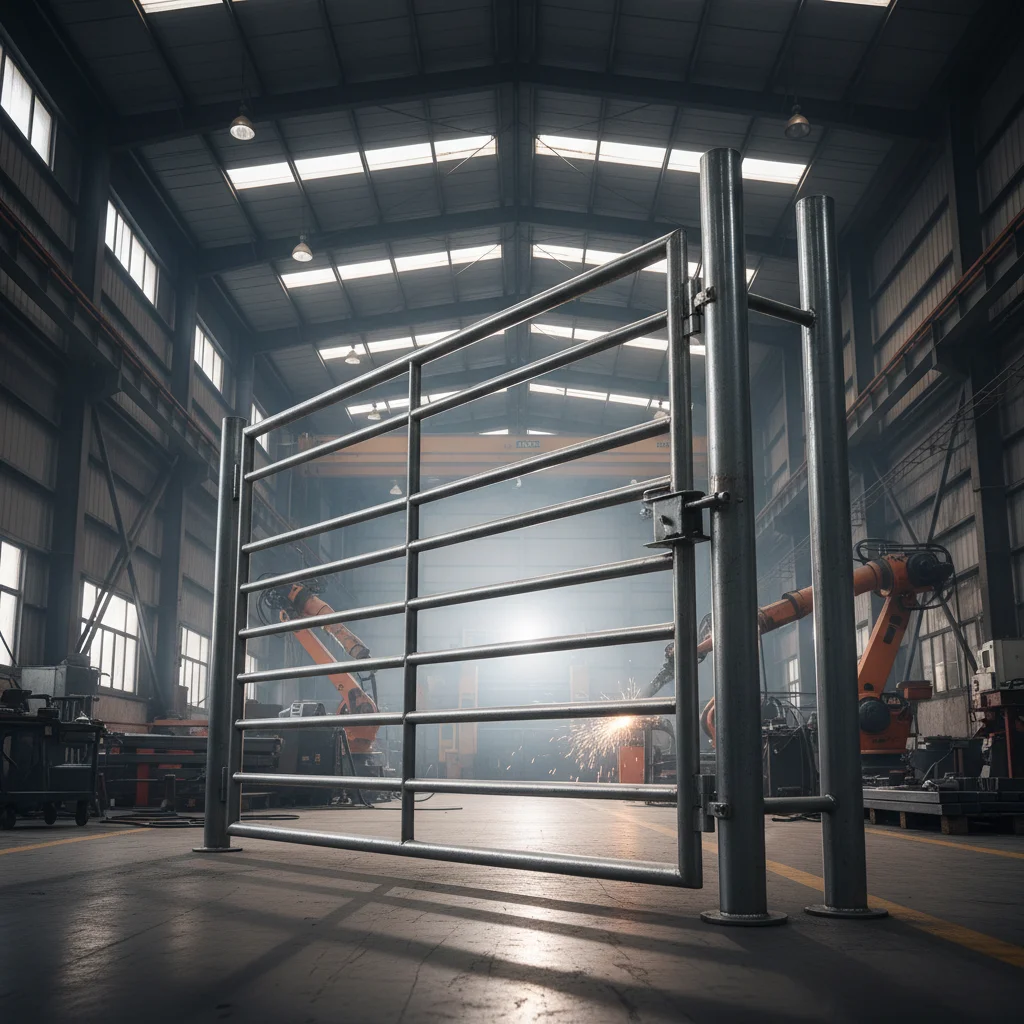
The durability of Prefab Fence Panels is primarily dictated by the quality of the jointing systems and the base material. Engineering these panels requires a deep understanding of wind-load calculations and tensile strength to ensure that the panels do not buckle under extreme weather conditions, making the selection of gauge and alloy critical for long-term performance.
Scalability is another core component of the prefab design. Because these panels are produced to exact specifications, expanding a perimeter is as simple as ordering additional identical units. This removes the risk of "batch mismatch" often seen in traditional construction, where new sections of a fence might look or perform differently than the original installation due to different contractors or material sources.
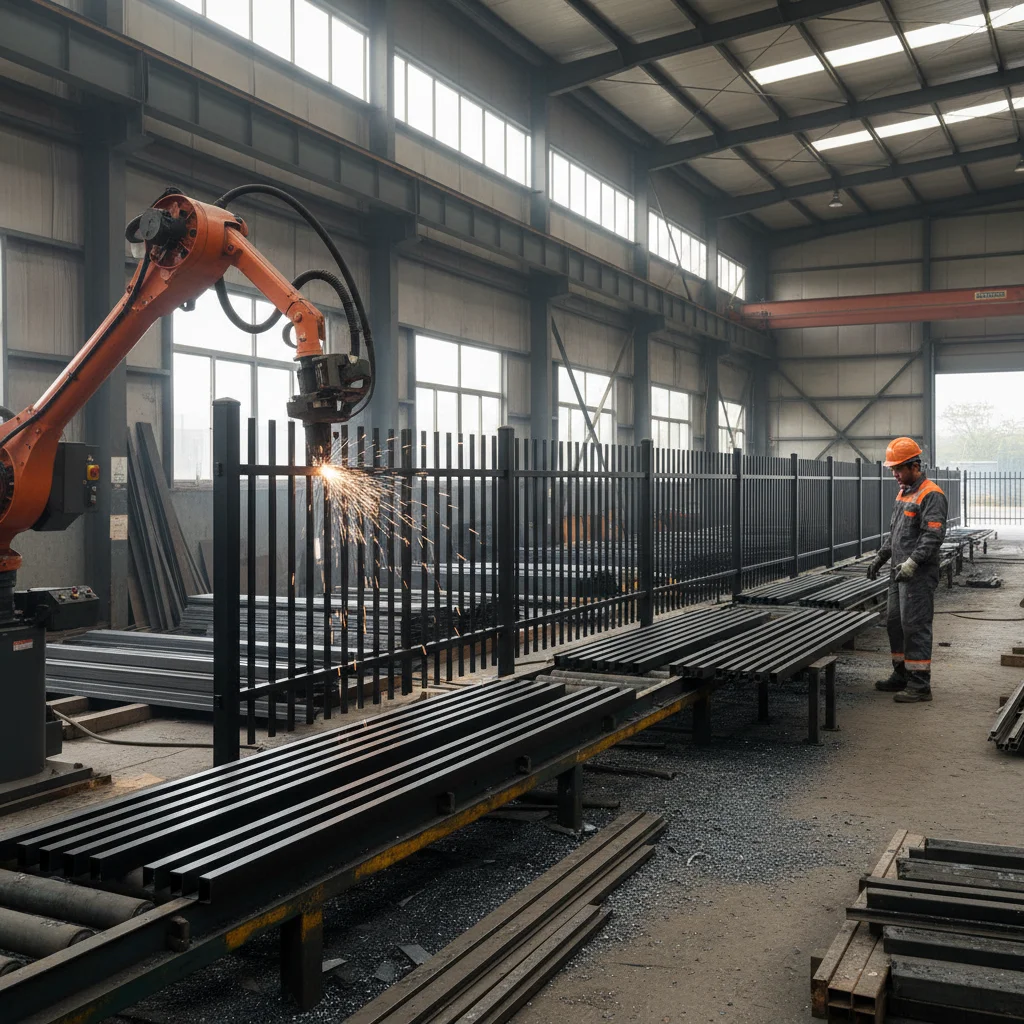
Finally, cost efficiency is realized through the reduction of on-site waste. In traditional fencing, a significant percentage of material is lost to off-cuts and errors. Prefab Fence Panels optimize material usage through CNC cutting and automated assembly, passing those savings on to the end consumer while reducing the overall carbon footprint of the installation process.
Global Applications and Use Cases
The practical application of Prefab Fence Panels spans across diverse sectors. In the industrial sector, they are used to create rapid-deployment warehouses and secure storage zones. In residential markets, particularly in North America and Europe, these panels are the preferred choice for privacy fencing because they provide a clean, uniform look that increases property value without the maintenance burden of raw wood.
Beyond commercial use, these systems are invaluable in remote industrial zones or post-disaster relief operations. When NGOs or government agencies need to establish secure boundaries for medical camps or food distribution centers, the speed of prefab installation becomes a life-saving advantage, allowing for the immediate organization of space and protection of resources in chaotic environments.
Comparative Efficiency of Prefab Fence Panels Systems
Long-Term Value and Economic Advantages
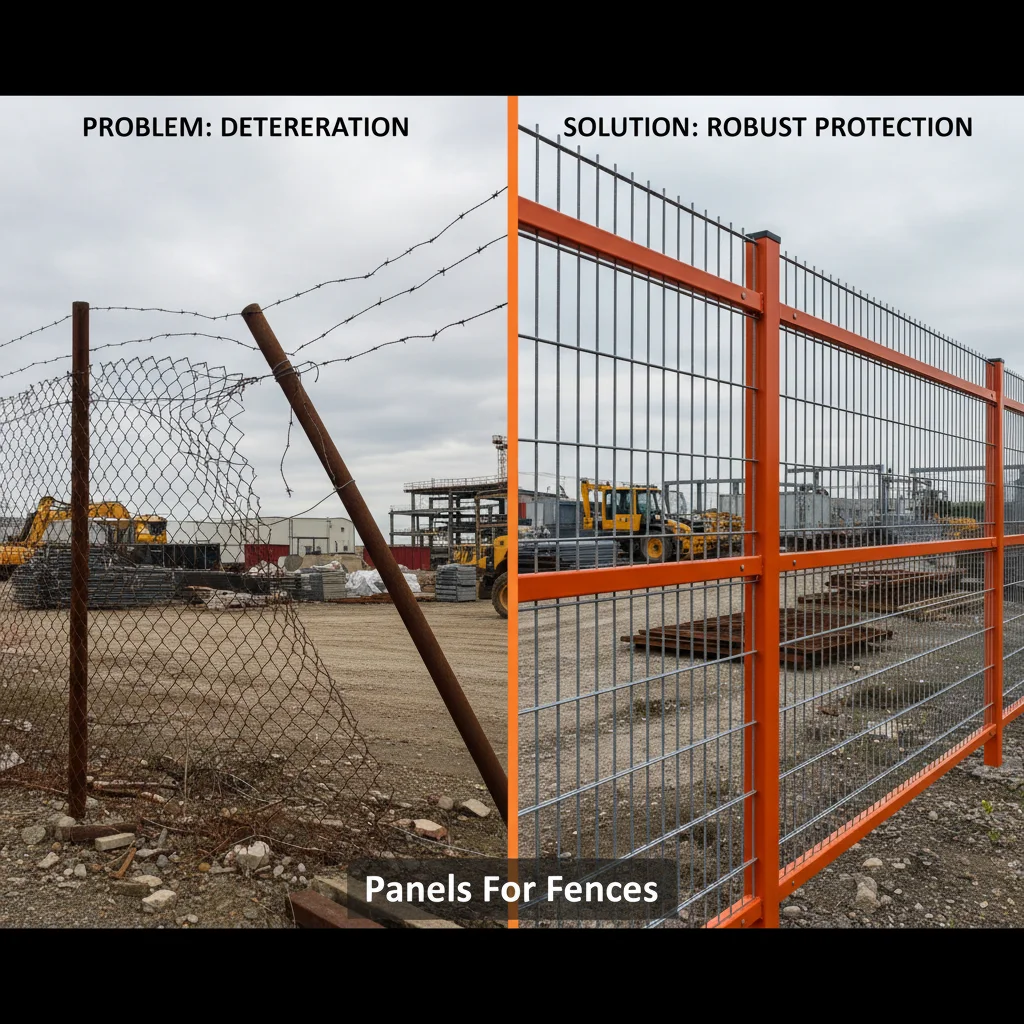
The long-term value of investing in Prefab Fence Panels extends beyond the initial installation cost. Because they are manufactured with industrial-grade coatings and precision welds, these panels typically exhibit a significantly longer lifecycle than site-built alternatives. This reduces the total cost of ownership by eliminating the need for frequent sanding, staining, or rust treatment.
From a psychological perspective, the consistency of prefab systems fosters a sense of trust and security. Whether it is a gated community or a corporate campus, the visual uniformity suggests a high level of professionalism and attention to detail. This combination of logical economic savings and emotional appeal makes prefab solutions a strategic asset for long-term property management.
Future Innovations in Prefabricated Fencing
Looking ahead, the integration of "Smart" technology into Prefab Fence Panels is the next frontier. We are seeing the emergence of panels with embedded sensors for perimeter intrusion detection and integrated solar lighting. This transforms a passive barrier into an active security system, allowing property owners to monitor their boundaries in real-time via digital dashboards.
Sustainability is also driving material innovation. The industry is shifting toward recycled aluminum and bio-based composites to lower the embodied carbon of every panel. Automation in the factory—specifically the use of robotic welding and AI-driven quality control—is further reducing the margin of error, ensuring that panels are lighter yet stronger than ever before.
Furthermore, the trend toward "Circular Economy" means that many Prefab Fence Panels are now designed for complete disassembly. This allows panels to be relocated or recycled at the end of their life cycle, aligning the fencing industry with global green energy and waste reduction policies.
Common Challenges and Expert Solutions
Despite their advantages, a common limitation of Prefab Fence Panels is the challenge of installing them on highly uneven terrain. Since panels are rigid and manufactured to a fixed height, "stepping" the fence on a slope can sometimes result in unsightly gaps if not planned correctly. The expert solution here is the use of adjustable mounting brackets and custom-cut base plates that allow the panel to remain level while the post adapts to the ground.
Another concern often raised is the perceived lack of customization. Some clients fear that "prefab" means "generic." However, modern manufacturing allows for high degrees of semi-customization, where clients can choose from various infill patterns, colors, and heights. By utilizing a modular design philosophy, manufacturers can offer a wide array of styles without losing the efficiency of the prefab process.
Lastly, logistics and shipping costs can sometimes offset the labor savings of prefab systems. To overcome this, many companies are implementing "flat-pack" prefab designs, where the panels are shipped in a collapsed state and snapped together on-site. This maximizes shipping container density and significantly reduces the carbon footprint and cost of international transport.
Analysis of Prefab Fence Panels Performance across Different Material Types
| Material Type |
Durability Score (1-10) |
Installation Speed |
Maintenance Need |
| Aluminum Alloy |
9 |
Very Fast |
Very Low |
| Galvanized Steel |
10 |
Moderate |
Low |
| WPC Composite |
7 |
Fast |
Low |
| Vinyl / PVC |
6 |
Very Fast |
Very Low |
| Powder Coated Iron |
8 |
Moderate |
Moderate |
| Treated Wood Prefab |
5 |
Fast |
High |
FAQS
The efficiency stems from the shift in labor. Instead of measuring, cutting, and assembling each section on-site—which is prone to human error and weather delays—prefab panels are created using precision machinery in a factory. This reduces installation time by up to 60%, minimizes material waste, and ensures a perfectly uniform finish across the entire perimeter.
Depending on the material, they can last between 20 to 50 years. Aluminum and galvanized steel prefab panels are particularly resilient in coastal or high-humidity areas because they utilize industrial-grade powder coatings and anti-corrosive treatments that are far superior to the paints applied during traditional on-site construction.
Yes, while the material cost per panel might be slightly higher than raw lumber, the savings in labor and time are substantial. For residential users, this means fewer days of contractor presence on their property and a product that requires almost zero maintenance over the first decade, leading to a lower total cost of ownership.
Absolutely. Professionals use a technique called "stepping," where the panels are installed in a stair-step pattern to follow the grade of the land. Additionally, many modern prefab systems offer adjustable brackets that allow the panels to remain level while the posts are anchored at varying depths.
Most reputable manufacturers offer semi-customization. You can typically specify the height, color, picket style (e.g., pointed, flat, or ornamental), and material. Because the core structural logic is prefab, you get the benefit of a custom look with the speed of a standardized assembly process.
To minimize costs, we recommend "flat-pack" shipping. In this configuration, panels are disassembled into their primary components and packed densely into containers. Once they arrive at the destination, they are quickly snapped together, significantly reducing shipping volumes and import duties.
Conclusion
In summary, Prefab Fence Panels represent the evolution of perimeter security, blending industrial precision with practical flexibility. By optimizing the manufacturing process, these systems solve the age-old problems of labor scarcity, material waste, and inconsistent quality, providing a durable and aesthetically pleasing solution for a wide array of global applications.
As we look toward a future of smarter cities and sustainable building, the role of modular fencing will only grow. We suggest that property owners and developers prioritize materials like aluminum and WPC to ensure maximum longevity and minimum environmental impact. For those seeking to secure their assets with speed and reliability, transitioning to prefabricated solutions is the most logical step forward. Visit our website for more information: www.sdfencecompany.com