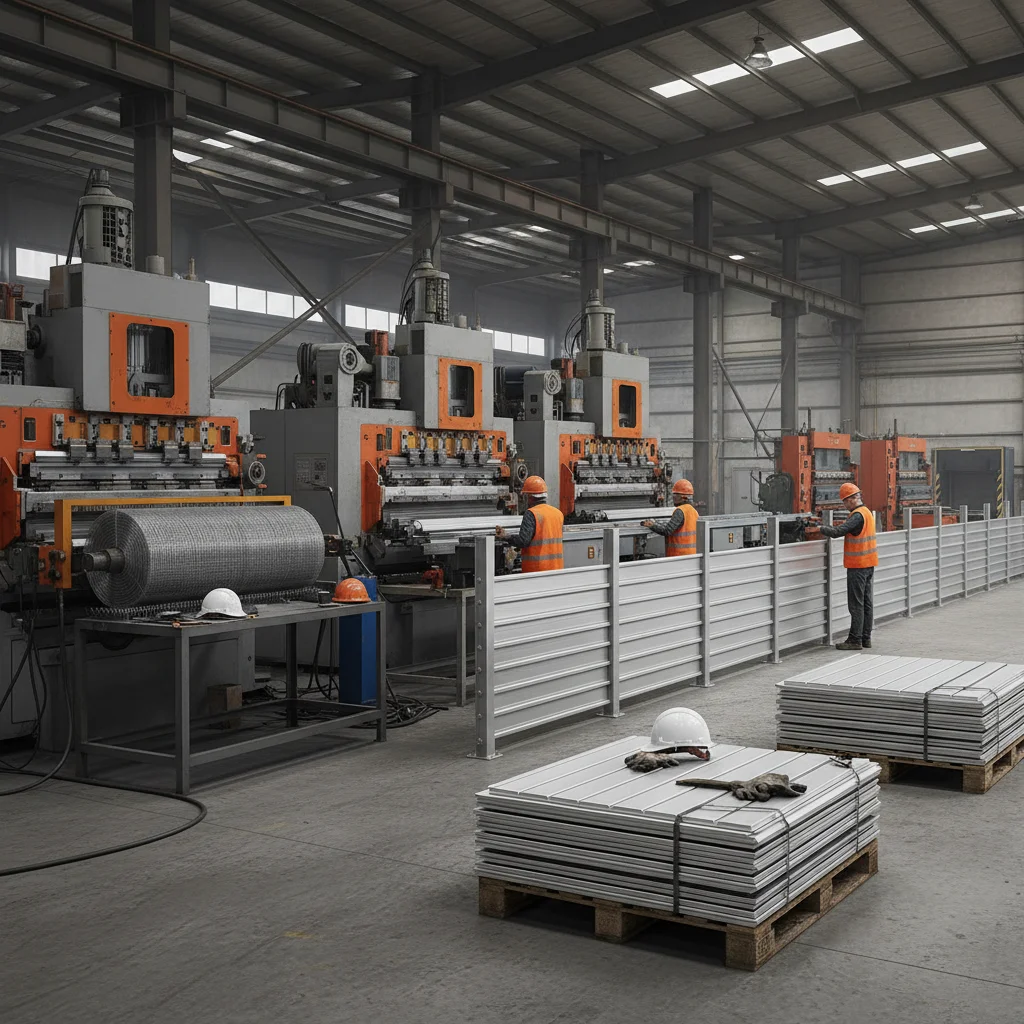
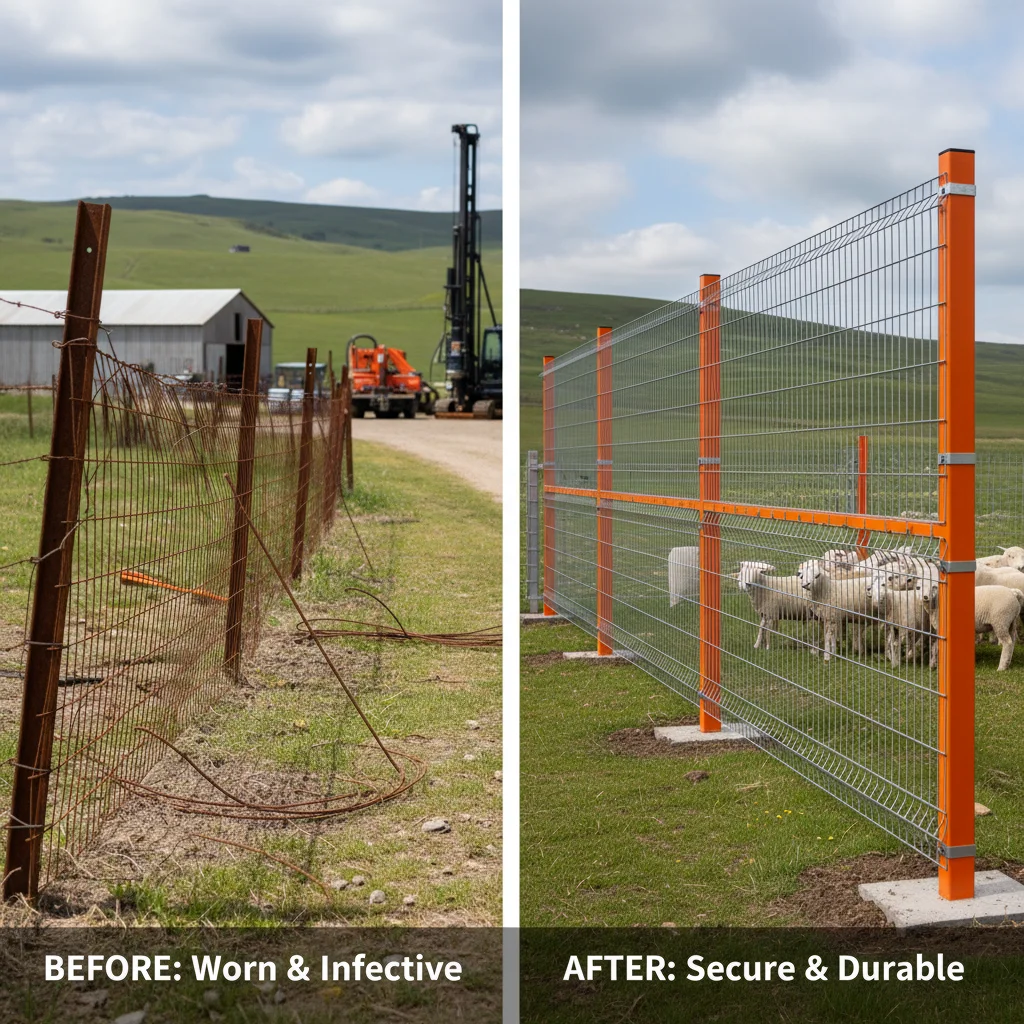
In the realm of modern infrastructure and landscaping, the demand for durable, permeable, and cost-effective containment systems has never been higher. While many look for traditional barriers, professional-grade solutions like galvanized welded cages offer a superior alternative for stabilizing terrain and managing soil erosion on a global scale.
The integration of high-strength materials and precision engineering allows these systems to withstand extreme environmental pressures, from saltwater corrosion to heavy hydrostatic loads. By shifting from rigid concrete to flexible, stone-filled structures, engineers can create sustainable boundaries that evolve with the land rather than fighting against it.
Whether you are designing a residential garden or a massive civil engineering project, choosing the right Batten Fence Panels—or more accurately, the heavy-duty gabion systems they often complement—ensures long-term structural integrity and ecological harmony.

Engineering Standards of Gabion Systems
The engineering behind professional stone gabion cages focuses on the synergy between tensile strength and permeability. By utilizing high-strength galvanized iron wire with diameters ranging from 3.0mm to 6.0mm, these structures create a rigid yet flexible framework capable of holding massive volumes of stone while allowing water to pass through freely.
This architectural approach eliminates the risk of hydrostatic pressure build-up, a common failure point in traditional solid walls. When used alongside Batten Fence Panels for perimeter security, these systems provide a comprehensive solution for both structural support and aesthetic boundary definition.
Global Relevance of Soil Stabilization
Across the globe, soil degradation and river bank erosion pose significant threats to infrastructure and agriculture. International standards, including those aligned with ISO quality benchmarks, emphasize the need for permeable barriers that stabilize slopes without disrupting local hydrology. The shift toward "green" engineering has made welded gabion boxes a primary choice for environmental agencies worldwide.
In regions prone to heavy rainfall or flooding, the ability of a structure to "self-heal" and shift slightly without cracking is invaluable. Unlike rigid concrete, which requires expensive repairs once a fissure appears, these stone-filled cages adapt to the shifting earth, ensuring that retaining walls remain functional for decades.
This global transition is driven by the need for low-carbon footprints. By utilizing local stone and minimizing the use of carbon-heavy cement, these solutions address the urgent challenge of sustainable urban development and disaster-resilient infrastructure.
Core Components and Material Science
The effectiveness of these systems depends entirely on the quality of the wire and the precision of the weld. Using hot-dip galvanizing ensures that the iron wire is encased in a protective zinc layer, preventing oxidation. For those integrating Batten Fence Panels into a landscape, matching the coating of the gabions to the fencing ensures a cohesive, rust-resistant finish.
For high-corrosivity environments, such as saltwater coastlines or acidic soils, an optional PVC coating is applied over the galvanization. This dual-layer protection significantly extends the lifespan of the cages, making them ideal for maritime engineering where standard metals would degrade rapidly.
Dimensional accuracy is the final core component. With mesh sizes available in 50x50mm or 100x100mm, the system can be tailored to the specific size of the fill material. This precision ensures that there are no gaps for stones to leak through, maintaining the structural integrity of the Batten Fence Panels and retaining systems.
Performance Analysis and Efficiency
When evaluating the efficiency of site stabilization, the speed of installation is a critical metric. Welded gabion cages are designed for rapid on-site assembly; they are unfolded, positioned, and tied together, drastically reducing labor costs compared to the curing time required for poured concrete.
This efficiency is further enhanced by the versatility of the dimensions, with lengths up to 5.0m and widths up to 1.5m, allowing for a scalable approach to any project size. Whether used for a small garden feature or a highway embankment, the performance remains consistent.
Comparison of Containment System Efficiency Ratings
Real-World Applications and Use Cases
In residential landscaping, these cages are frequently used to create modern, tiered garden walls. By filling them with decorative river rocks or recycled materials, homeowners can create a sophisticated look that functions as a retaining wall while complementing the privacy provided by Batten Fence Panels.
On a larger scale, civil engineering firms utilize these systems for river bank protection and slope stabilization. In post-disaster recovery zones, the ability to quickly deploy these cages to prevent further landslides makes them a critical tool for humanitarian and infrastructure relief operations.
Long-Term Value and Sustainability
The long-term value of investing in galvanized welded systems lies in their minimal maintenance requirements. Unlike wood, which rots, or concrete, which cracks under freeze-thaw cycles, these metal cages maintain their structural integrity for decades. The permeable nature of the design prevents the catastrophic failure often seen in rigid walls during extreme weather events.
From an ecological standpoint, gabion systems promote biodiversity. Over time, vegetation often grows through the mesh and roots into the stone fill, creating a "living wall" that provides habitats for local fauna and naturally filters runoff water.
This combination of industrial strength and environmental synergy ensures that the investment pays off not just in reduced repair costs, but in the overall health and stability of the surrounding ecosystem, providing a dignified and innovative approach to land management.
Comparison of Containment Solutions
When deciding between containment methods, the primary trade-off is usually between initial cost and lifelong durability. While traditional timber may be cheaper upfront, it lacks the longevity of a galvanized system. For high-security or high-load areas, combining structural cages with Batten Fence Panels offers the best balance of safety and stability.
Concrete walls offer high rigidity but suffer from a massive carbon footprint and a lack of adaptability. In contrast, welded gabion cages offer a flexible structure that can settle with the ground, effectively preventing the structural failure caused by shifting soil.
Ultimately, the choice depends on the specific environmental stressors of the site. Whether it is the acidity of the soil or the velocity of water flow, selecting the right coating (Galvanized vs. PVC) and mesh size is the key to maximizing the return on investment.
Comparative Analysis of Modern Retaining and Fencing Solutions
| Solution Type |
Installation Speed |
Environmental Impact |
Maintenance Level |
| Welded Gabion Cages |
Very Fast |
Eco-Friendly |
Minimal |
| Concrete Walls |
Slow |
High Carbon |
High (Crack Repair) |
| Timber Retaining |
Moderate |
Moderate |
High (Rotting) |
| Dry Stone Wall |
Very Slow |
Very Low |
Moderate |
| PVC Composite |
Fast |
Moderate |
Low |
| Hybrid Metal/Stone |
Fast |
Low |
Minimal |
FAQS
Galvanized cages utilize a zinc layer to prevent rust and oxidation, making them ideal for most soil conditions. PVC coated cages add a heavy-duty plastic layer over the galvanization, providing superior resistance in highly corrosive environments, such as saltwater coastlines or acidic industrial soils, effectively extending the product's life.
Absolutely. They are widely used in modern landscaping. By filling the cages with aesthetically pleasing stones, river rocks, or even recycled glass, you can create contemporary retaining walls that provide both structural support and visual appeal, often paired with Batten Fence Panels for a complete garden design.
Their permeable mesh structure allows water to flow through the stones while the heavy mass holds the soil in place. This reduces the velocity of water runoff and prevents the washing away of river banks and slopes, effectively stabilizing the terrain without blocking natural drainage.
Yes, we offer full customization. Length, width, height, wire diameter, and mesh size can all be adjusted based on engineering drawings to ensure the system meets specific load-bearing and stability requirements for bridges, highways, or industrial sites.
Installation is straightforward and requires minimal heavy machinery. The cages are unfolded, positioned, and tied together with binding wire. Once the structure is set, they are filled with stone and closed, making it a much faster process than pouring concrete.
Depending on the environment and the chosen coating, our cages are designed to last for several decades. Hot-dip galvanizing provides a robust shield, and when upgraded to PVC coating, the lifespan is further extended even in harsh maritime conditions.
Conclusion
In summary, the transition toward permeable, high-strength containment systems represents a significant leap in both civil engineering and landscape design. By prioritizing materials like galvanized iron and PVC coatings, these solutions offer an unmatched balance of durability, cost-efficiency, and environmental sustainability. Whether applied to erosion control or aesthetic garden walls, these systems provide a reliable foundation that outperforms traditional rigid structures.
As we look toward a future of more resilient urban planning, the integration of flexible, eco-friendly barriers will become the industry standard. We recommend assessing your site's specific corrosive risks and soil pressure to choose the ideal mesh and coating combination. For those seeking professional-grade boundary and stabilization solutions, visit our website: www.sdfencecompany.com.