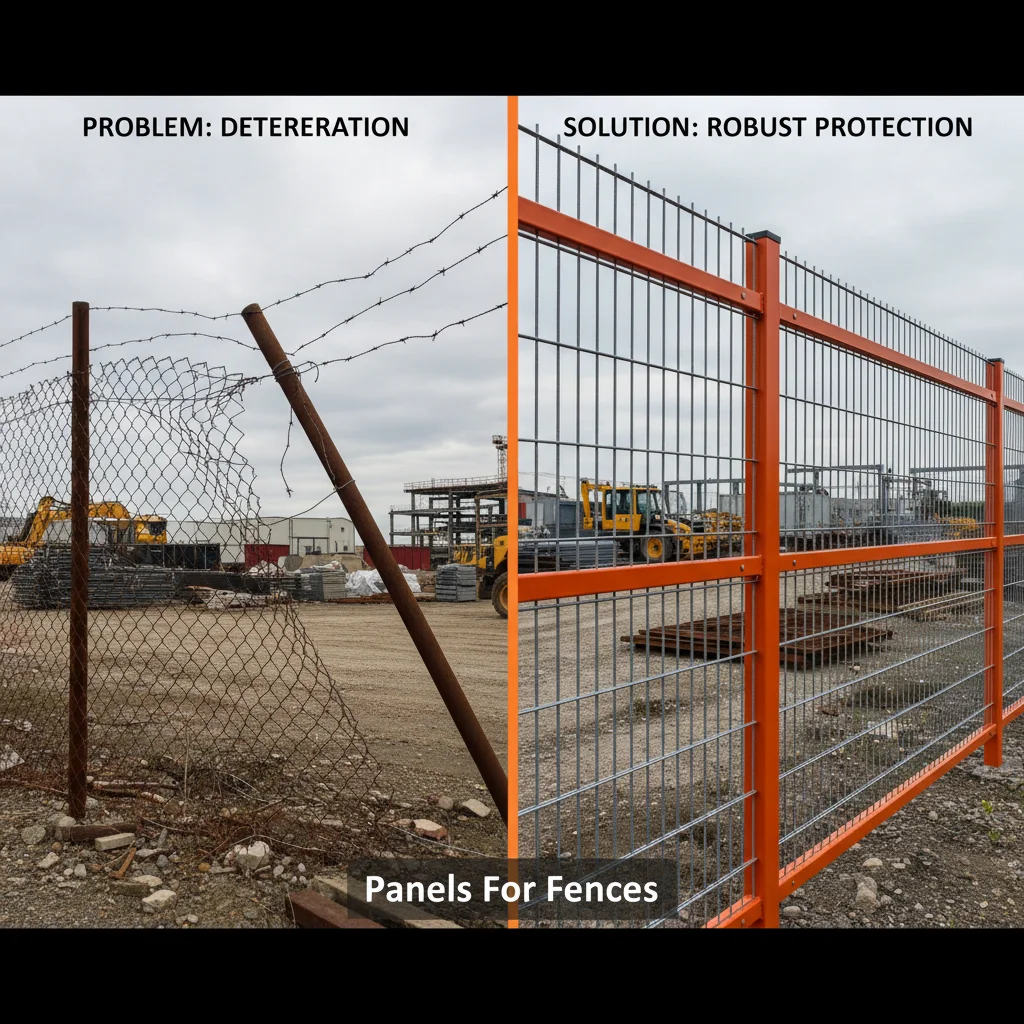
Selecting the right boundary dimensions is often the difference between a secure perimeter and a costly installation mistake. For many residential and light commercial projects, 68 Fence Panels have emerged as a strategic standard, balancing structural height with optimal width to minimize joint fatigue and maximize material efficiency.
Whether you are designing a privacy screen for a backyard or securing a utility area, the 6-foot by 8-foot configuration provides a critical psychological and physical barrier. However, the effectiveness of these panels depends entirely on the material choice—ranging from high-tensile steel to weather-resistant aluminum—and the precision of the structural engineering behind the welding.
In this guide, we analyze the technical merits of this specific sizing, the trade-offs between different metal compositions, and how to evaluate suppliers to ensure long-term stability against wind loads and environmental corrosion.

The Structural Logic of 6x8 Dimensions

Why has the 6x8 format become an industry benchmark? From an engineering perspective, a 6-foot height is sufficient to deter most unauthorized entries and provide visual privacy without requiring the heavy-duty reinforcement needed for 8-foot industrial walls. This height optimizes the center of gravity, reducing the torque applied to the posts during high-wind events.
The 8-foot width is equally calculated. It aligns with standard lumber and metal production lengths, reducing scrap waste during manufacturing. For the installer, an 8-foot span minimizes the number of posts required over a long perimeter, which significantly lowers both labor costs and the amount of concrete needed for footings.
However, the wider the panel, the higher the risk of "bowing" or sagging in the center. This is why the internal bracing and the gauge of the metal are non-negotiable factors. A low-grade panel may look correct upon installation but will fail structurally within 24 months due to thermal expansion and gravitational stress.
Material Performance and Engineering Value
The core value of a fence panel is not its dimensions, but its ability to maintain those dimensions under stress. Steel panels offer unmatched rigidity and impact resistance, making them ideal for security-focused perimeters. Aluminum, conversely, provides a superior strength-to-weight ratio and inherent resistance to oxidation, which is critical for coastal environments.
When evaluating structural metal products, the coating process—typically powder coating or galvanization—acts as the primary defense against corrosion. In high-humidity areas, a simple paint job is insufficient; a non-porous powder finish is required to prevent moisture from reaching the substrate and initiating rust.
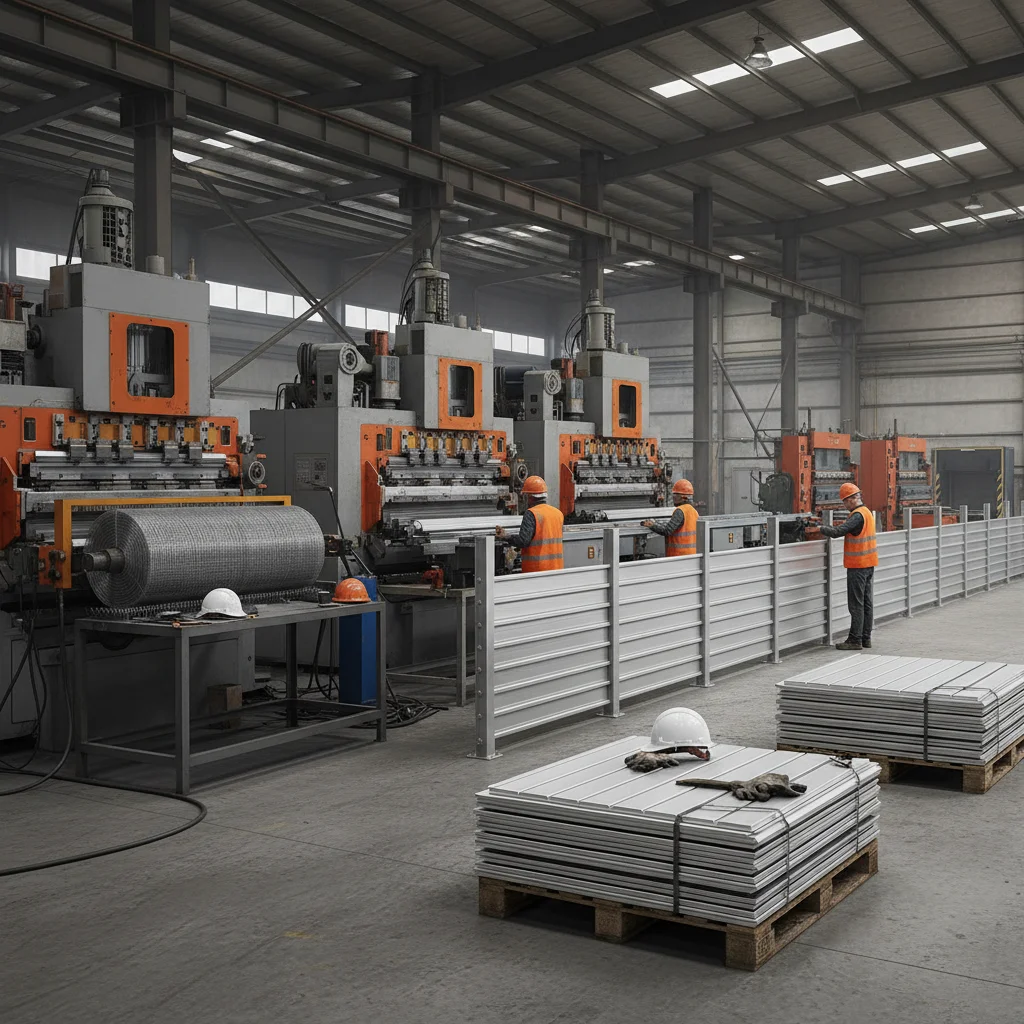
Furthermore, the welding technique used in these panels determines their lifespan. Robotic welded joints provide consistent penetration and strength, whereas manual welds can leave gaps that become focal points for corrosion. This attention to detail ensures that the 6x8 span remains taut and aligned over decades of use.
Strategic Application Scenarios for Standard Panels
The versatility of 6x8 panels allows them to be deployed across various environments, provided the material matches the objective. For residential privacy, aluminum privacy fences are preferred for their sleek aesthetic and low maintenance, effectively blocking sightlines while blending into modern landscaping.
In commercial settings, such as equipment enclosures or parking lot boundaries, steel ornamental or chain link systems are more common. These applications prioritize durability and deterrence over aesthetics. The 6-foot height serves as a standardized barrier that meets most municipal zoning codes for commercial property lines.
Agricultural or pet containment, such as welded dog kennels or horse fencing, requires a different approach. Here, the focus shifts to "gap management"—ensuring the mesh or picket spacing is tight enough to prevent escape while maintaining enough airflow to prevent the panels from acting like sails during storms.
Comparative Stability and Wind Load Resistance
Wind load is the most significant enemy of a 6-foot high fence. A solid panel acts as a windbreak, absorbing the full force of the gust and transferring that energy directly into the fence posts. If the panels are too rigid or the posts too shallow, the entire line can lean or collapse.
Engineering a balance between "wind permeability" and "privacy" is key. By utilizing specific picket spacings or perforated metal, the wind load can be reduced by up to 40% without significantly compromising the privacy of the enclosed space.
68 Fence Panels Performance Metrics
The data suggests that high-grade coated metal panels outperform standard options in longevity and stability. While the initial investment is higher, the reduction in replacement frequency and the maintenance of structural alignment provide a much higher long-term ROI.
Procurement Criteria for Commercial Grade Panels
When sourcing fence panels in bulk, the most common mistake is focusing solely on the unit price. Procurement professionals must evaluate the "Total Cost of Ownership," which includes shipping logistics, installation time, and the anticipated maintenance cycle over ten years.
Key indicators of quality include the thickness of the metal (gauge) and the quality of the finish. A professional supplier will provide detailed parameters on the weather-resistant coating, ensuring it can withstand UV exposure and frost without cracking or peeling.
Furthermore, verify the supplier's logistical capabilities. Since 6x8 panels are bulky, the ability to ensure uninterrupted supply and on-time delivery is critical to avoid costly delays in construction schedules. Look for manufacturers located near major shipping hubs to optimize freight costs.
Evolution of Metal Fencing and Coating Tech
The industry is shifting away from basic galvanized steel toward hybrid materials and advanced powder-coating technologies. We are seeing a rise in WPC (Wood Plastic Composite) integration and high-performance aluminum alloys that mimic the look of traditional wood but eliminate the risk of rot and termite infestation.
Automation in manufacturing is also increasing the precision of panel dimensions. Laser-cutting and robotic welding allow for tighter tolerances, meaning that when you install a series of 6x8 panels, the lines remain perfectly straight without the need for excessive manual adjustment at each post.
Future trends suggest a move toward "modular versatility," where panels can be easily upgraded or modified without replacing the entire post system. This sustainability-focused approach reduces waste and allows property owners to adapt their security levels as their needs evolve.
Selection Matrix for Different Perimeter Needs
Choosing between steel, aluminum, or composite for your 6x8 panels requires a clear understanding of your environmental stressors and security goals. The following matrix provides a comparative look at how different structural options perform across key dimensions.
Consider the specific trade-offs: while steel is the gold standard for security, its weight and susceptibility to rust (if not properly coated) make it less ideal for residential gardens compared to aluminum or PVC options.
| Material Type | Primary Use Case | Maintenance Level | Durability Rating |
|---|---|---|---|
| Powder-Coated Steel | High-Security Commercial | Moderate | Industrial Strength |
| Architectural Aluminum | Modern Residential Privacy | Very Low | High (Rust-Proof) |
| Galvanized Chain Link | Industrial Perimeters | Low | High (Utility) |
| WPC Composite | Decorative Garden Borders | Low | Moderate |
| PVC Vinyl | Low-Cost Residential | Minimal | Moderate (UV Sensitive) |
| Ornamental Iron | Luxury Estate Boundaries | High | Extreme (Heavy) |
For those requiring a professional balance of durability and aesthetics, reviewing the full product range available through www.sdfencecompany.com can help identify the specific gauge and finish that matches your local climate and security requirements.
Frequently Asked Questions
Conclusion
The selection of 68 Fence Panels is more than a choice of dimensions; it is a decision about structural longevity and operational efficiency. By prioritizing material gauge and professional coating over the lowest initial price, property owners can ensure a secure boundary that requires minimal intervention over its lifespan.
Whether your priority is architectural elegance, industrial security, or simple residential privacy, the key lies in matching the metal composition to your environmental stressors. For detailed technical specifications and procurement options, readers can explore the professional solutions available at www.sdfencecompany.com.