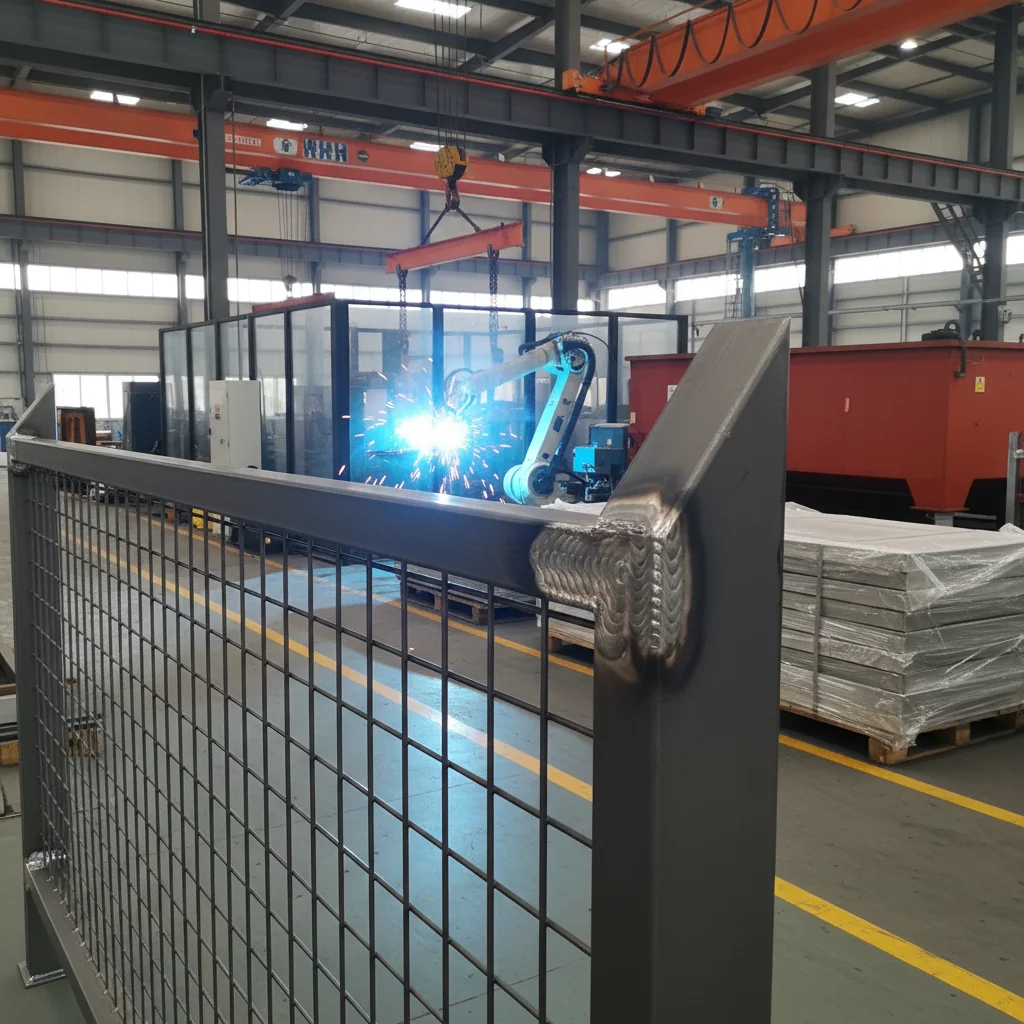
Sourcing a high-quality Fencing Panel In China requires a deep understanding of material grades, coating standards, and the logistical advantages of the Hebei production hub. As a cornerstone of the structural metal fabrication industry, fencing panels serve critical roles in security, livestock management, and architectural aesthetics, making the choice of manufacturer a decisive factor in project longevity.
Procurement professionals often struggle with the trade-off between initial cost and long-term durability, particularly when facing diverse options like galvanized steel, aluminum, or WPC. The challenge lies in verifying that the structural integrity of the panels meets site-specific wind loads and corrosion resistance requirements without overpaying for unnecessary specifications.
This guide provides a professional framework for evaluating Chinese fencing suppliers, analyzing material performance across different environmental stressors, and establishing a technical checklist for quality assurance to ensure your procurement aligns with international industry standards.

Material Selection and Structural Integrity

The structural integrity of a fencing panel is primarily governed by the grade of the raw metal and the precision of the welding process. In the context of structural metal fabrication, the choice between cold-rolled steel and aluminum alloys determines the panel's tensile strength and its ability to resist deformation under lateral pressure. For high-security applications, welded wire mesh with heavy-gauge steel provides the necessary rigidity to prevent breaching.
From a technical perspective, buyers must consider the wire diameter and aperture size. A denser mesh increases security but may impact visibility and wind permeability. Professional manufacturers focus on the consistency of the weld points, as poor fusion leads to structural failure when the panel is subjected to environmental stress or physical impact over time.
Evaluating Coating and Corrosion Resistance
Corrosion is the primary enemy of metal fencing, especially in coastal or high-humidity environments. The effectiveness of a Fencing Panel In China often depends on the multi-layer protection system applied. Hot-dip galvanization remains the industry standard for utility fencing, providing a sacrificial zinc layer that protects the underlying steel from oxidation.
For architectural or ornamental fencing, powder coating is frequently applied over a galvanized base. This "duplex system" not only enhances the visual appeal with various finishes but also provides an additional barrier against UV rays and chemical pollutants. When evaluating suppliers, it is essential to verify the micron thickness of the coating to ensure it meets the expected lifecycle of the installation.
Application-Specific Panel Configurations
Different environments demand specific panel designs to balance cost, security, and aesthetics. For instance, temporary fencing requires lightweight, easy-to-install panels with stable base supports for construction sites. Conversely, permanent perimeter fencing for industrial zones requires heavy-duty steel panels with reinforced posts to withstand significant impact.
Specialized applications also include garden-centric solutions. For climbing plants, steel garden trellises offer a durable alternative to wood, combining structural support with powder-coated finishes to prevent rust. Whether the goal is privacy, animal containment (such as dog kennels), or crowd control, the panel geometry must be optimized for the intended use case to avoid premature wear or failure.
Relative Performance Index of Fencing Materials
Selecting the right material involves weighing several competing factors. The following conceptual index illustrates the relative performance of common fencing materials used in Chinese manufacturing, normalized to a scale of 1-100 based on general industry benchmarks for durability, cost-efficiency, and maintenance requirements.
As shown in the illustrative data, while galvanized steel offers the highest durability for industrial use, aluminum provides a superior balance of corrosion resistance and weight. WPC (Wood Plastic Composite) is increasingly preferred for residential privacy due to its extremely low maintenance needs, despite lower structural rigidity compared to metal.
Logistical Advantages of the Hebei Production Hub
The geographical concentration of the metal fabrication industry in Hebei province provides significant strategic advantages for international buyers. Being situated near major steel mills ensures a consistent and uninterrupted supply of raw materials, which stabilizes pricing and reduces the risk of production delays caused by material shortages.
Furthermore, the proximity to Tianjin port facilitates efficient logistics. For large-volume orders of fencing panels, the ability to move goods quickly from the factory to a major shipping hub reduces inland transit costs and ensures on-time delivery. This integrated supply chain—from raw steel production to final powder coating and export—is why Hebei remains the primary center for fencing manufacturing in China.
Critical Quality Control Checkpoints for Buyers
To avoid the risks associated with bulk procurement, buyers should implement a rigorous quality control checklist. First, verify the raw material certifications to ensure the steel or aluminum meets the specified grade. Second, conduct a "salt spray test" evaluation to confirm the corrosion resistance of the galvanization or powder coating.
Additionally, inspection of the weld points is non-negotiable. Inconsistent welding can lead to panels that warp during shipping or fail under load. Checking the dimensional accuracy of the panels ensures that they will align perfectly during installation, reducing labor costs and eliminating the need for on-site modifications.
Fencing Solution Comparison Framework
Choosing the correct panel type requires a structured comparison based on the project's primary objectives. The table below provides a qualitative comparison of the most common fencing systems available from professional Chinese manufacturers to assist in the decision-making process.
| System Type | Primary Strength | Best Use Case | Main Consideration |
|---|---|---|---|
| Welded Steel | High Rigidity | Industrial Security | Weight & Corrosion |
| Aluminum Alloy | Corrosion Proof | Residential/Ornamental | Material Cost |
| Galvanized Chain Link | Cost Efficiency | Agricultural/Utility | Lower Security |
| WPC Panels | Zero Maintenance | Privacy Screening | Structural Load |
| PVC Fencing | Weather Resistance | Garden/Residential | UV Degradation |
| Steel Trellis | Plant Support | Landscaping | Installation Depth |
While budget is always a factor, the total cost of ownership—including installation and long-term maintenance—should drive the final selection. For instance, while PVC may be cheaper initially, a powder-coated aluminum system often provides a better return on investment due to its extended lifespan and aesthetic value.
Frequently Asked Questions
Hot-dip galvanization is the most durable for utility and security fencing. For a combination of aesthetics and protection, a duplex system (galvanization followed by powder coating) offers the highest resistance to corrosion and UV damage.
Check for industry-specific audits, request material mill certificates, and evaluate their production capacity. Suppliers located in Hebei often have better access to raw materials and streamlined export logistics via Tianjin port.
Yes, most professional manufacturers offer custom sizes and finishes. This is particularly common for architectural aluminum fencing and specialized garden trellises to fit unique site requirements.
WPC (Wood Plastic Composite) mimics the look of wood and is generally heavier and more rigid. PVC is a pure plastic that is highly resistant to moisture and insects but can be more prone to impact damage and UV fading if not treated.
Aluminum is the superior choice for coastal areas because it naturally forms a protective oxide layer. If steel is used, it must be heavily hot-dip galvanized and ideally powder-coated to prevent rapid salt-induced corrosion.
Panels are typically bundled and secured on reinforced steel pallets, wrapped in protective plastic or foam to prevent coating scratches, and strapped securely to withstand the movement of container shipping.
Conclusion
Securing a reliable Fencing Panel In China depends on aligning material specifications with the actual environmental demands of the project. By prioritizing a duplex coating system for corrosion resistance, verifying the structural integrity of weld points, and leveraging the logistical efficiencies of the Hebei industrial cluster, procurement managers can significantly reduce long-term maintenance costs and project risks.
For detailed product specifications, material grade options, and application-specific requirements, professional buyers can review the available solution information at www.sdfencecompany.com to ensure their fencing project meets international durability standards.