Hit enter to search or ESC to close
April 04, 2026
When it comes to securing your livestock and property, a robust and reliable fencing solution is essential. Livestock fence panels offer a durable and efficient way to contain animals, prevent intrusion, and maintain the integrity of your land. This article will explore the benefits, applications, types, and key considerations when choosing livestock fence panels. Ensuring the safety and well-being of your animals starts with a well-constructed fence.
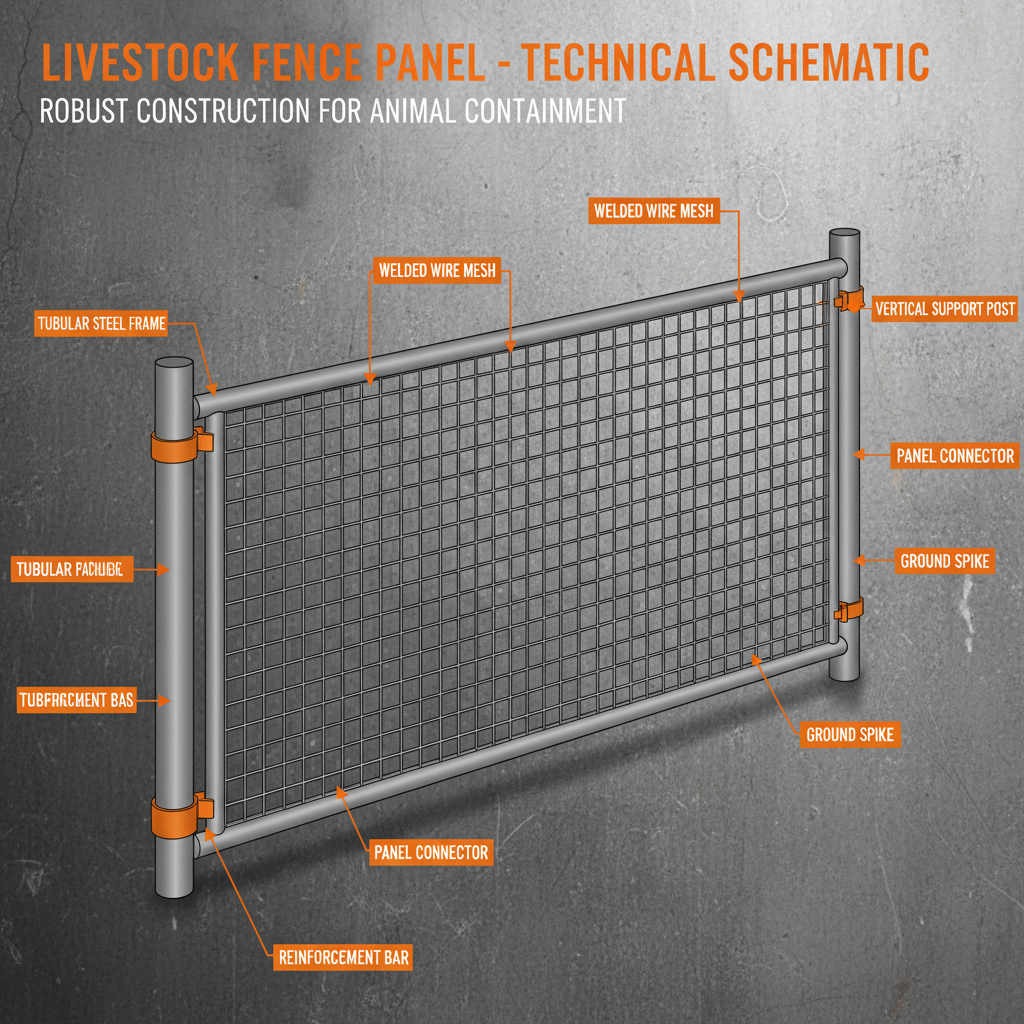
Livestock fence panels offer several advantages over traditional fencing methods. Their sturdy construction provides exceptional strength and durability, making them resistant to impacts from animals and harsh weather conditions. They are relatively easy to install, saving you time and labor costs. Furthermore, the modular design allows for flexible configurations to suit various terrain and livestock needs. Unlike barbed wire, these panels are safer for animals, minimizing the risk of injury. SDFence Company provides high-quality panels designed for long-lasting performance.
Key Highlights: Durable, easy to install, flexible configurations, safer for animals, and cost-effective.
Different types of livestock fence panels are available to meet specific requirements. These include:
Choosing the right type of panel depends on the species of livestock you are containing and the specific challenges of your property.
Panel Type Considerations:
• Species of livestock
• Terrain and property size
• Budget and long-term maintenance
• Security requirements
The material of your livestock fence panel significantly impacts its durability and cost. Steel panels are the most common choice, offering superior strength and resistance to bending or breaking. Aluminum panels are lighter and corrosion-resistant but generally less robust than steel. Here's a comparison:
Proper installation is crucial for the longevity and effectiveness of your livestock fence panels. Ensure posts are securely set in the ground and spaced appropriately according to the panel length. Use appropriate fasteners and bracing to maintain panel stability. Regular maintenance, including checking for loose connections and repairing any damage, will extend the life of your fence. Consider applying a protective coating to steel panels to prevent rust. SDFence Company provides comprehensive installation guides and support.
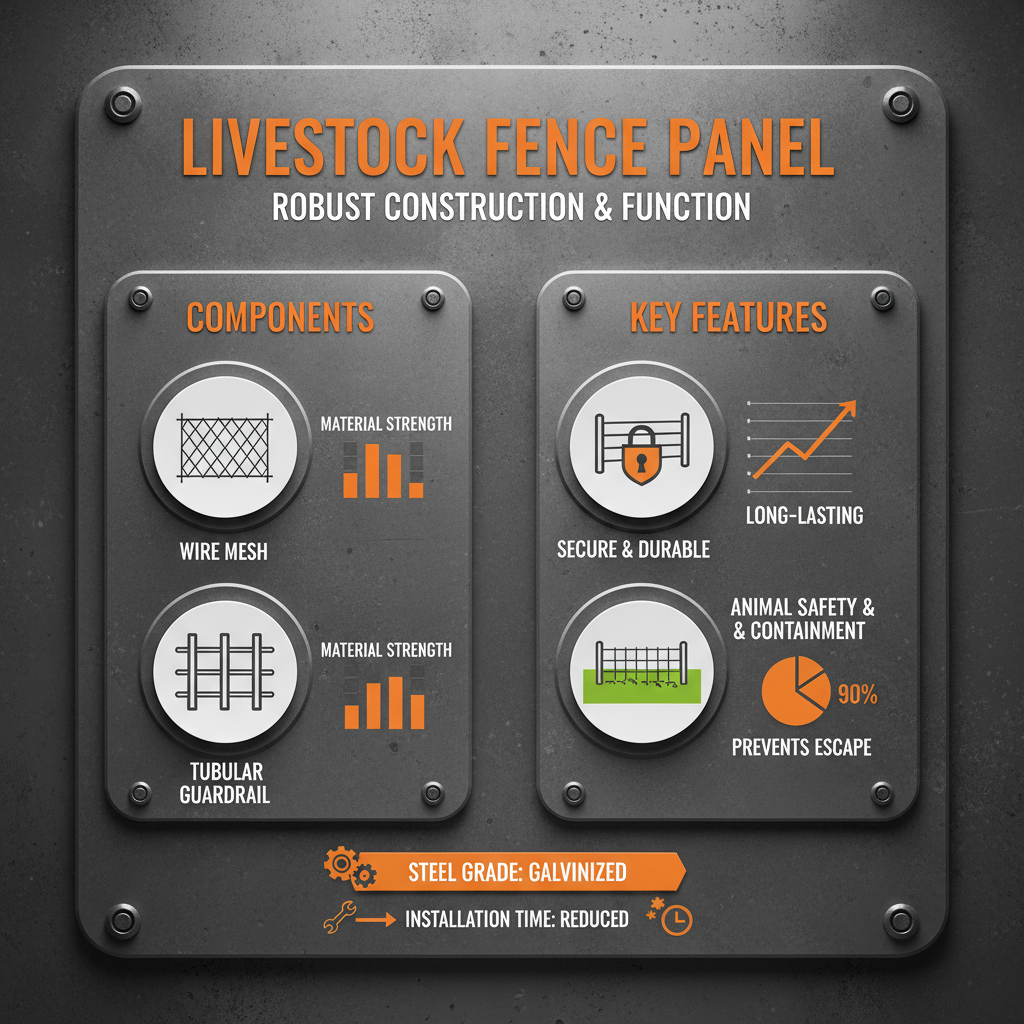
Here are some common specifications for livestock fence panels:
Investing in high-quality livestock fence panels is a crucial step in ensuring the safety and security of your animals and property. By considering your specific needs, choosing the right materials and types, and following proper installation and maintenance practices, you can create a durable and effective fencing solution that will provide years of reliable service. SDFence Company offers a wide selection of panels to meet your needs.
The recommended post spacing depends on the height and weight of the livestock you are containing, as well as the terrain. Generally, for flat ground, a spacing of 8-10 feet is suitable. However, in hilly or uneven terrain, you may need to reduce the spacing to 6-8 feet for added stability. Always ensure your posts are securely anchored in the ground to withstand the pressure from the animals. Consulting with a fencing professional is advised for optimal post spacing.
To prevent livestock from pushing under the fence panels, ensure the bottom of the panel is close to the ground. You can also add a bottom rail or wire along the base of the fence to create a barrier. In areas where animals are prone to digging, you may need to bury a portion of the panel or install a wire mesh apron extending outward from the base of the fence. Proper installation and regular maintenance are key to maintaining a secure perimeter.
While livestock fence panels are versatile, they may not be suitable for all types of livestock. For example, smaller animals like chickens or rabbits will require a different type of fencing with smaller mesh openings. It’s important to select a panel with the appropriate opening size and height to effectively contain your specific livestock species and prevent escapes. Always consider the animal's size, strength, and behavior when choosing your fencing solution.
Leave Us a Message


If you are interested in our products, you can choose to leave your information here, and we will be in touch with you shortly.