Hit enter to search or ESC to close
March 21, 2026
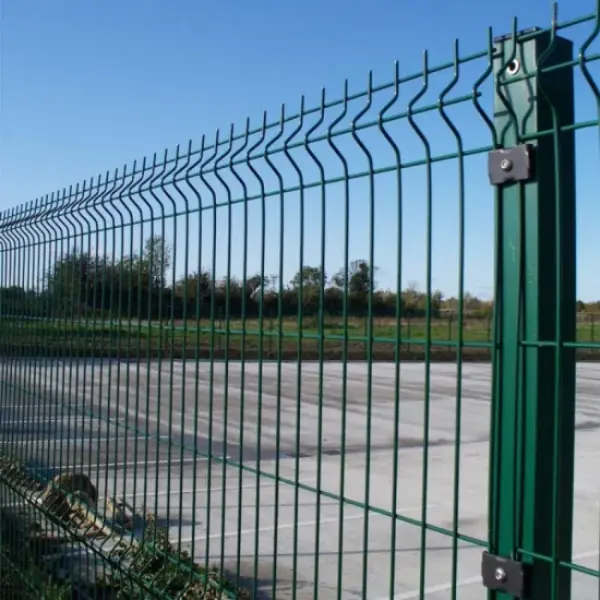
When securing sites for construction, events, or crowd control, reliable and robust fencing is essential. Temporary fence panels offer a cost-effective and easily deployable solution. This article provides an in-depth look at temporary fence panels, covering their applications, materials, installation, and key considerations for choosing the right panels for your needs. Understanding these factors ensures safety, security, and a successful project. SDFenceCompany is a trusted provider of high-quality temporary fencing solutions.
Temporary fence panels are incredibly versatile, finding applications across numerous industries. Construction sites utilize them to define perimeters, restrict access to hazardous areas, and enhance site security. Event organizers rely on them for crowd control at concerts, festivals, and sporting events. They are also commonly used for crowd management during parades and public gatherings. Furthermore, temporary fencing is a crucial component of residential renovations, providing a safe boundary for workers and neighbors. These panels are also valuable for emergency response situations, quickly creating secure zones for disaster relief or traffic management. The adaptability of temporary fencing makes it a practical solution for a wide range of short-term security needs.
Key Benefits: Easy to install, cost-effective, portable, and adaptable to various terrains and applications.
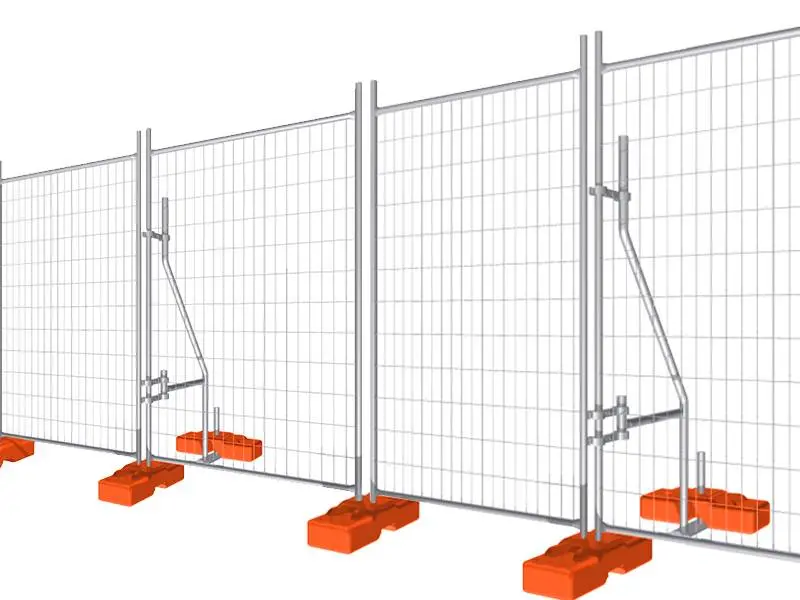
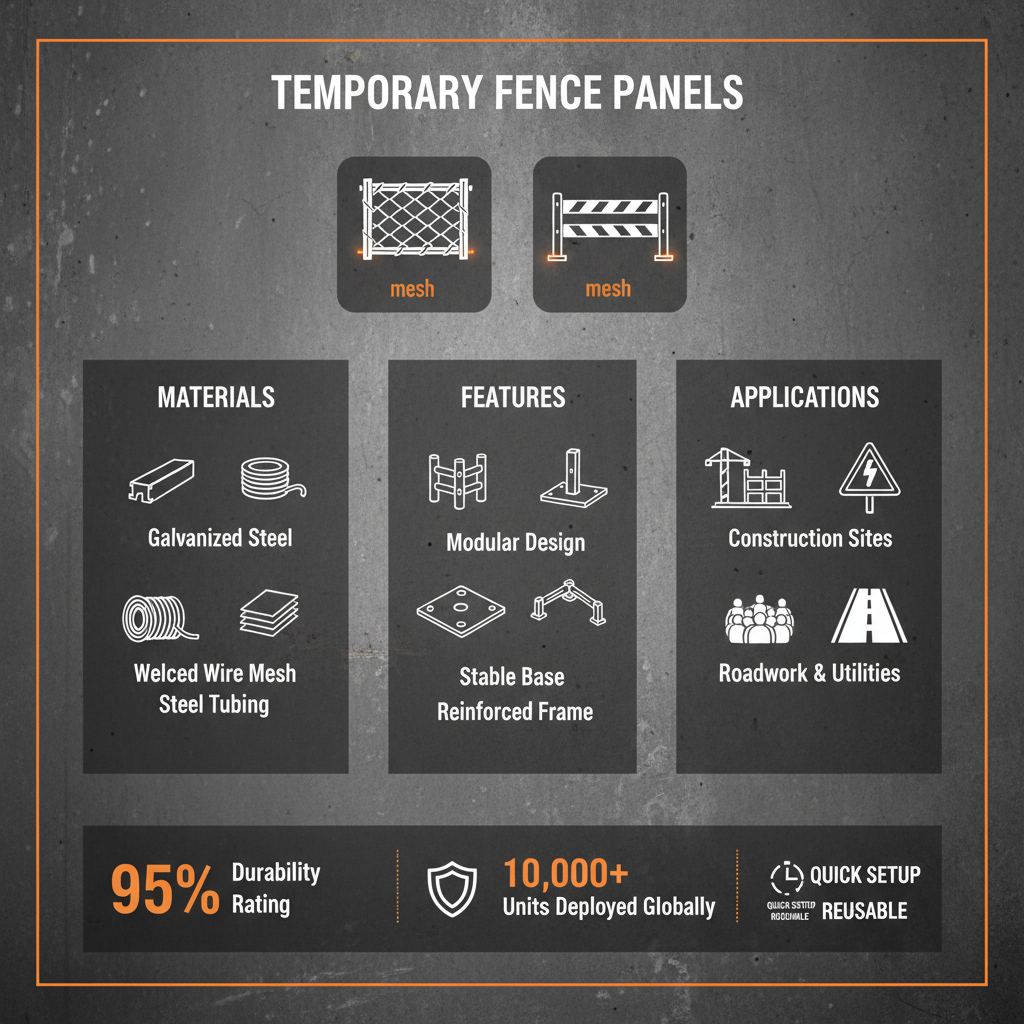
The most common material for temporary fence panels is galvanized steel, known for its strength and corrosion resistance. Galvanized steel provides a durable and long-lasting solution, capable of withstanding various weather conditions. Aluminum panels are another option, offering a lightweight alternative, particularly suitable for events where portability is a priority. Plastic chain link fencing is also available, providing a less expensive option for lighter-duty applications. However, plastic fencing generally offers lower levels of security compared to steel or aluminum. The choice of material depends on the specific requirements of the project, considering factors such as security needs, budget constraints, and environmental conditions. SDFenceCompany offers panels constructed from various materials to suit different requirements.
Material Comparison:
• Galvanized Steel: High strength, excellent corrosion resistance, durable.
• Aluminum: Lightweight, rust-resistant, ideal for portable applications.
• Plastic: Economical, lightweight, suitable for low-security needs.
Selecting the right temporary fence panels requires careful consideration of several factors. Panel height is crucial, with common heights ranging from 6 to 8 feet. The level of security required will dictate the appropriate height and gauge of the steel. Panel length is typically 8 to 10 feet, influencing the number of panels needed for your site. Foot type is also important; options include flat feet, club feet, and adjustable feet, each suited for different terrain conditions. Consider whether you require any accessories, such as bracing, clamps, or gates, to enhance the functionality and security of the fence. Finally, ensure the panels meet relevant safety standards and regulations.
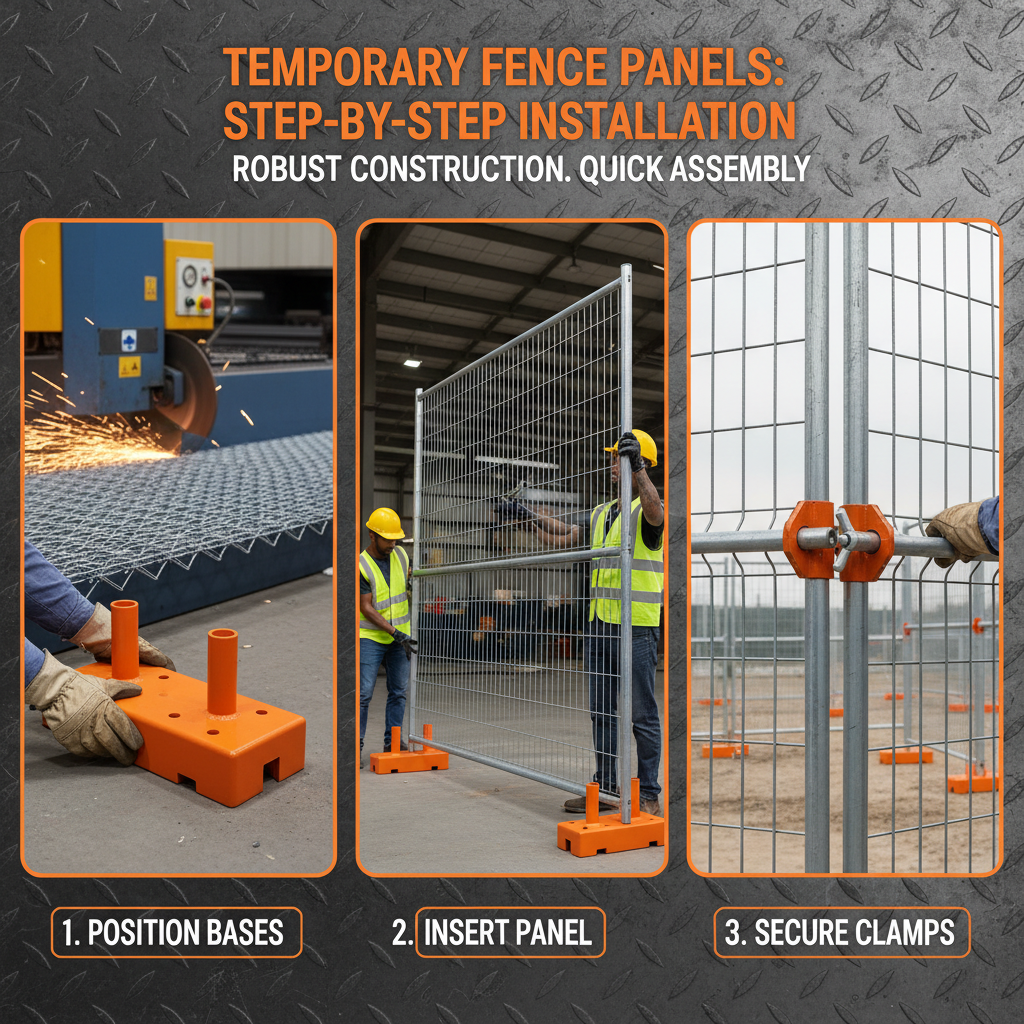
Proper installation is critical for ensuring the effectiveness of temporary fence panels. Begin by clearing the area of any obstacles and leveling the ground as much as possible. Place the fence panels upright, ensuring the feet are securely positioned. Use clamps or ties to connect adjacent panels, creating a continuous barrier. For added stability, especially in windy conditions, utilize bracing. If the terrain is uneven, adjustable feet can be used to maintain a level fence line. Regularly inspect the installation to ensure panels remain secure and are not damaged. Remember to always comply with local regulations regarding fence height and placement. SDFenceCompany provides installation guidance and support.
The cost of temporary fence panels varies depending on the material, height, length, and quantity required. Rental is a popular option for short-term projects, offering a cost-effective solution. Purchasing panels is more economical for long-term or repeated use. Additional costs to consider include delivery, installation (if needed), and any accessories such as gates or bracing. Comparing quotes from multiple suppliers is essential to obtain the best price. SDFenceCompany offers competitive pricing and flexible rental and purchase options.
Selecting the right temporary fence panels is a vital step in ensuring site security, safety, and compliance. By considering the application, materials, installation best practices, and cost factors, you can make an informed decision that meets your specific needs. SDFenceCompany is committed to providing high-quality temporary fencing solutions and expert guidance to help you find the perfect fit for your project.
The standard rental period for temporary fence panels typically ranges from a few days to several weeks or months. Rental terms are flexible and can be customized to suit the duration of your project. Many suppliers offer weekly or monthly rental rates. It's essential to discuss the rental period and associated costs with your supplier upfront to avoid any unexpected fees. SDFenceCompany offers flexible rental agreements and competitive rates.
Temporary fence panels are generally designed for relatively easy installation, requiring minimal tools and expertise. However, proper installation is crucial for ensuring the fence’s stability and effectiveness. If you’re unfamiliar with the installation process, it’s recommended to hire a professional installation service. This will ensure the fence is securely installed and meets safety requirements.
Temporary fence panels require minimal maintenance. Regularly inspect the panels for any signs of damage, such as bent or broken rails, loose clamps, or corroded feet. Tighten any loose connections and replace damaged components promptly. Ensure the fence line remains clear of obstructions. Proper maintenance will extend the lifespan of the panels and ensure they continue to provide effective security.
Whether temporary fence panels require permits depends on local regulations and the specific application. In some jurisdictions, permits may be required for fences exceeding a certain height or for fences used in public right-of-ways. It’s essential to check with your local authorities to determine the permit requirements in your area before installing temporary fencing.
Leave Us a Message


If you are interested in our products, you can choose to leave your information here, and we will be in touch with you shortly.