Hit enter to search or ESC to close
Disclaimer: Images used in the articles on this website may be AI-generated and are provided for reference purposes only. Actual products, specifications, dimensions, manufacturing processes, and performance may vary. For accurate product information, real project cases, and detailed documentation, please contact us directly.
June 18, 2026
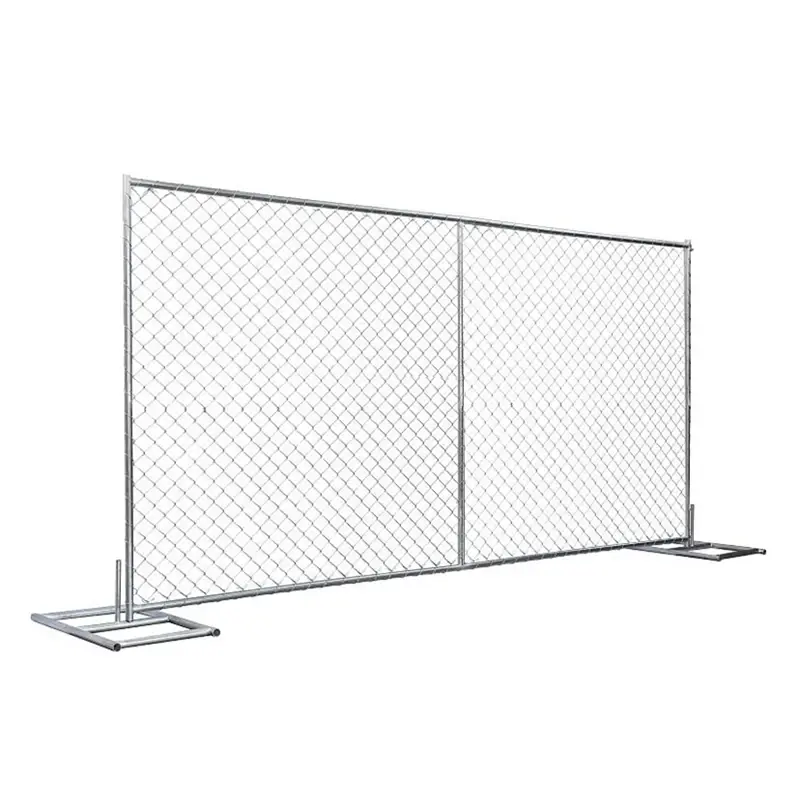
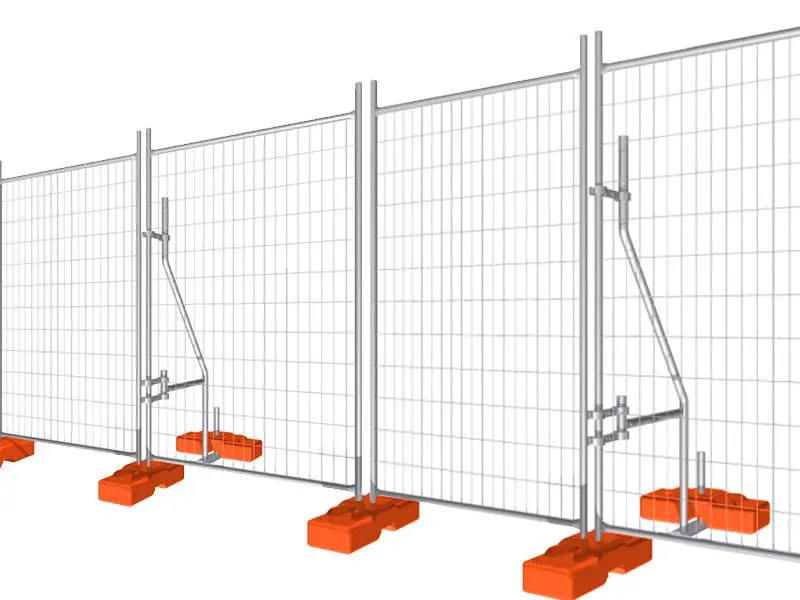
Ensuring the safety and freedom of your furry friend is every pet owner's top priority. High-quality Dog Fence Panels provide the perfect balance between security and exploration, preventing your pets from wandering into danger while allowing them to enjoy the fresh air. Whether you are dealing with a high-energy puppy or a determined escape artist, choosing the right fencing material and design is crucial. In this guide, we will explore the various types of panels available, how to select the right height for your breed, and the installation tips that ensure a lifelong barrier. Let's dive into how you can create a secure sanctuary for your dog.

Not all fences are created equal. Using makeshift barriers often leads to gaps or structural failures that pets can easily exploit. Professional Dog Fence Panels are engineered to withstand the physical pressure of a jumping or leaning dog. By utilizing weather-resistant materials, these panels prevent rust and decay, reducing the need for frequent replacements. Moreover, a well-designed panel system offers visual containment; some dogs are less likely to attempt an escape if they cannot see the distractions on the other side of the fence. Investing in a professional system means peace of mind for the owner and a safe environment for the animal.
Key Highlights: Professional panels offer superior durability, weather resistance, and structural integrity compared to DIY solutions, ensuring that even the most active breeds remain securely enclosed.
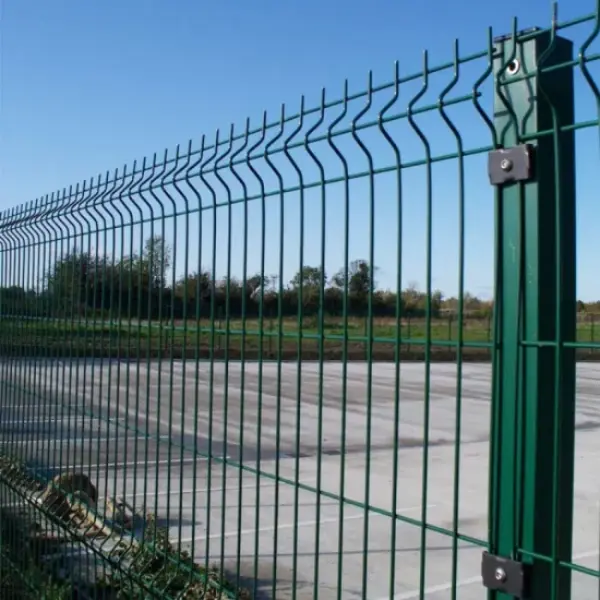
Choosing the right material is the most critical step in the selection process. Wood offers a classic look but requires maintenance. Vinyl is low-maintenance and clean, while metal provides the highest strength-to-weight ratio. When selecting Dog Fence Panels, you must consider your dog's chewing habits and the local climate. For instance, powder-coated steel is excellent for dogs that might chew through wooden slats. The following table compares the most popular materials to help you make an informed decision based on durability and cost.
Selecting the height and spacing of your Dog Fence Panels should be based on your dog's size and behavioral traits. A Great Dane requires a significantly taller barrier than a Pomeranian to prevent jumping. Furthermore, "diggers" require panels that can be extended slightly underground. It is important to check the gap between the bottom of the panel and the ground; a gap of more than 2 inches can be an invitation for small dogs to squeeze through. By matching the panel specifications to your dog's specific needs, you ensure a foolproof containment system.

Even the strongest Dog Fence Panels can fail if not installed correctly. The foundation is key; posts should be set deep enough to resist the force of a dog leaning or jumping against them. Using concrete footings is highly recommended for permanent installations. Additionally, ensure that all joints and connectors are tightened and rust-proofed. For dogs prone to climbing, consider adding "coyote rollers" or inward-leaning extensions to the top of the panels. A thorough installation process eliminates weak points and maximizes the lifespan of your investment.
When browsing for the right system, you will encounter various technical terms. Understanding these specifications helps you compare different Dog Fence Panels effectively. Gauge refers to the thickness of the metal; a lower gauge number typically means thicker, stronger metal. Galvanization is the process of applying a protective zinc coating to prevent rust. Below is a detailed specification table for a standard high-security panel system often used for residential pets.
To get the most value out of your Dog Fence Panels, a routine maintenance schedule is essential. For metal fences, check for scratches in the powder coating every six months and apply touch-up paint to prevent oxidation. For vinyl, a simple wash with soap and water removes grime and prevents staining. Most importantly, perform a "perimeter walk" weekly to check for any loosened screws or areas where your dog may have started digging. Proactive maintenance prevents small gaps from becoming major escape routes.
Choosing the right Dog Fence Panels is an investment in your pet's safety and your own peace of mind. By carefully considering the material, breed-specific requirements, and professional installation techniques, you can create a boundary that is both secure and visually appealing. Whether you opt for the sleek look of vinyl or the rugged strength of steel, prioritize quality and durability. Give your dog the freedom to play and the safety they deserve with a professional fencing solution today.
Digging is a common challenge. To prevent this, you can bury the bottom of your Dog Fence Panels about 6-12 inches into the ground. Alternatively, you can install "L-footer" wire mesh that lays flat on the ground and is pinned down, creating a physical barrier that prevents the dog from starting a hole. Placing large decorative stones or paving slabs along the perimeter can also discourage digging behavior.
For most medium-sized dogs, a height of 4 to 5 feet is generally sufficient. However, if your dog is a known jumper or is highly motivated by squirrels or other animals, stepping up to a 6-foot panel is the safest bet. It is always better to have a fence that is slightly too high than one that is just an inch too short for your pet to clear.
Yes, provided they are professionally manufactured and installed. High-quality metal Dog Fence Panels are designed with smooth edges and robust welds to ensure there are no sharp points that could injure your pet. Using powder-coated materials also ensures that the surface is smooth to the touch and resistant to corrosion, making them perfectly safe for active dogs.
While some modular panels are designed for DIY installation, we highly recommend hiring a professional for permanent boundaries. Professionals have the tools to ensure the ground is level and the posts are perfectly plumb. An improperly installed fence can lean over time, creating gaps that your dog can escape through. Professional installation ensures that your fence meets local building codes and provides maximum security.
Leave Us a Message


If you are interested in our products, you can choose to leave your information here, and we will be in touch with you shortly.