Hit enter to search or ESC to close
Comprehensive Guide to Fence Panels Construction Materials and Global Applications
Fence Panels represent a critical component in defining spaces, ensuring security, and providing aesthetic value across diverse applications. From residential boundaries to industrial enclosures, their significance stems from their adaptability and enduring functionality. The global demand for robust and versatile fencing solutions is consistently high, driven by infrastructure development, population growth, and an increasing focus on safety and privacy. Understanding the nuances of Fence Panels – their materials, construction, and applications – is therefore crucial for professionals in construction, landscaping, and security, as well as homeowners seeking to enhance their properties.
The industry surrounding Fence Panels is experiencing continuous innovation. New materials, such as composite fencing and enhanced vinyl, are challenging traditional wood and metal options, offering increased durability, reduced maintenance, and improved environmental sustainability. Furthermore, advancements in manufacturing techniques are leading to more efficient production processes and customizable designs. This evolution directly addresses challenges related to cost, longevity, and aesthetic preferences, driving growth in both residential and commercial sectors.
The importance of selecting the right type of Fence Panels extends beyond mere aesthetics. Proper fencing contributes significantly to property value, neighborhood safety, and overall peace of mind. As such, informed decision-making regarding material selection, installation techniques, and long-term maintenance is paramount for maximizing the benefits and ensuring a lasting investment.
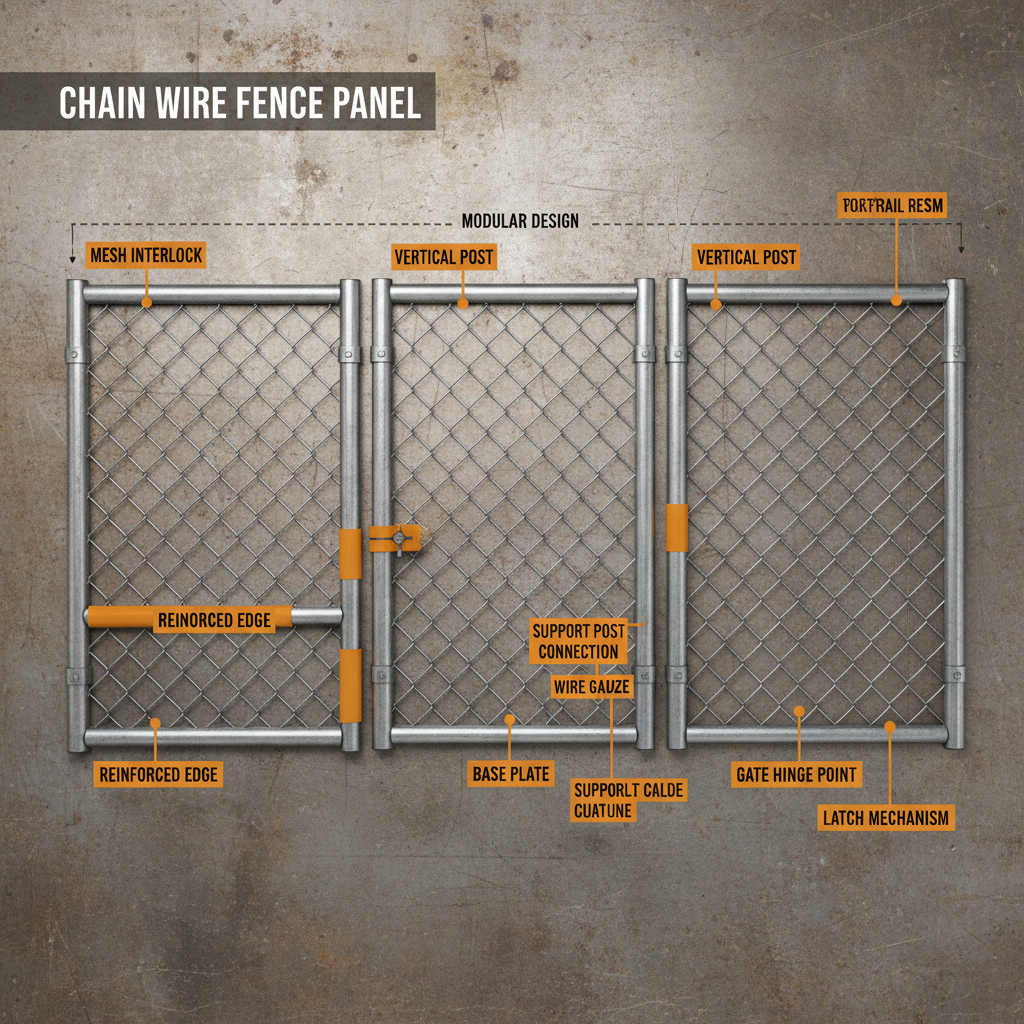
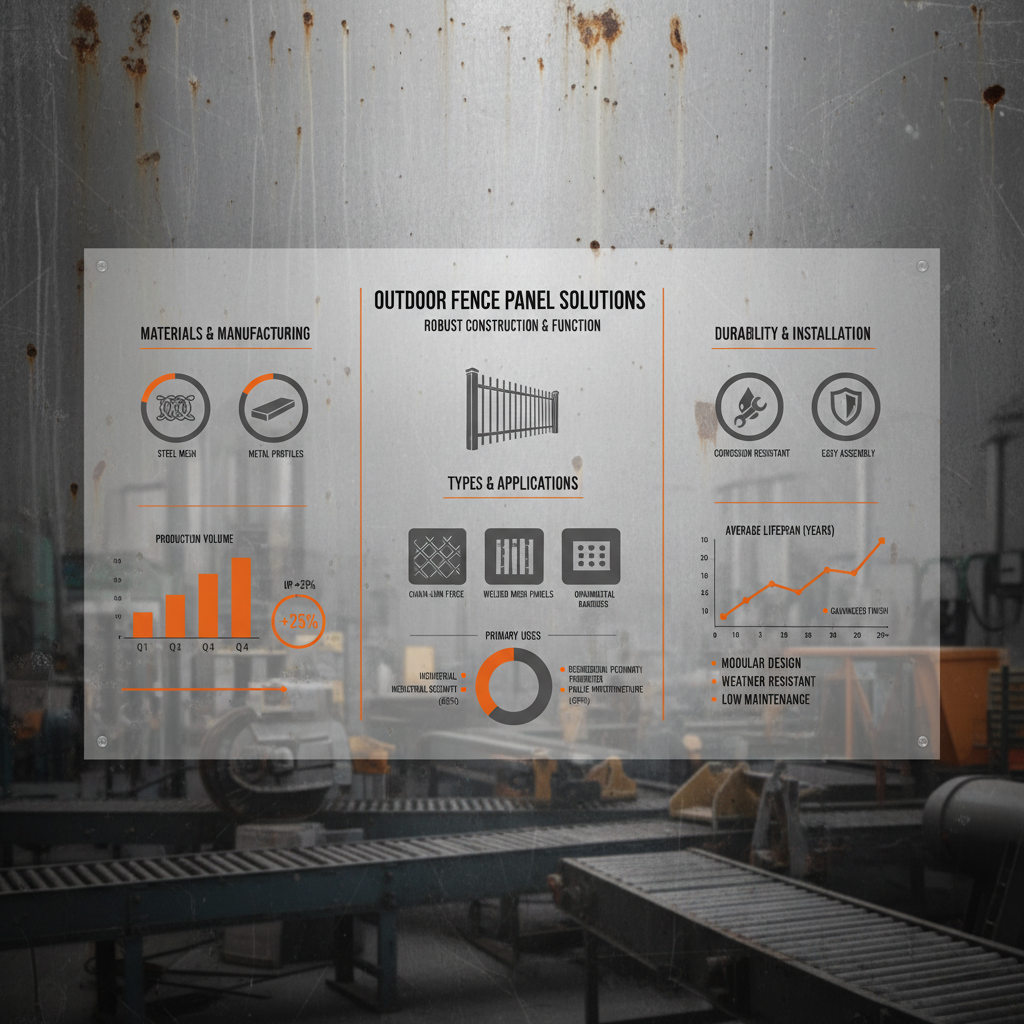
The fundamental characteristics of Fence Panels revolve around their ability to provide security, privacy, and aesthetic appeal. These panels are typically constructed from materials like wood, vinyl, metal (aluminum, steel, wrought iron), and composite materials, each offering unique advantages in terms of cost, durability, and maintenance. The choice of material often depends on the specific application and the desired level of security and visual impact. Fence Panels come in a variety of styles, including picket, privacy, post-and-rail, and decorative designs.
Furthermore, the structural integrity of Fence Panels is paramount. Properly installed panels must withstand environmental factors such as wind, rain, and temperature fluctuations. Factors like post depth, panel spacing, and material thickness contribute significantly to the overall stability and longevity of the fence. Selecting high-quality panels and employing professional installation techniques are essential for ensuring long-term performance.
Globally, the production of Fence Panels is a significant industry, with major manufacturing hubs located in North America, Europe, and Asia. China is currently the leading producer of fencing materials, benefiting from lower labor costs and large-scale manufacturing capabilities. However, the United States and European countries maintain a strong presence in the market, focusing on higher-quality materials and specialized designs. The demand for Fence Panels is closely tied to construction activity and infrastructure development worldwide.
According to market research reports, the global fencing market is projected to reach significant growth in the coming years, driven by increased urbanization, rising safety concerns, and growing demand for residential and commercial properties. This growth is further fueled by the increasing adoption of sustainable fencing materials, such as recycled plastics and responsibly sourced wood. The market is becoming increasingly competitive, with manufacturers constantly seeking to innovate and offer more cost-effective and environmentally friendly solutions.
Trade regulations and import tariffs also play a crucial role in shaping the global Fence Panel market. Fluctuations in these policies can impact material costs, supply chain logistics, and overall pricing. Therefore, understanding the geopolitical landscape is essential for businesses involved in the production, distribution, and installation of fencing solutions.
At their core, Fence Panels are modular components designed to create a barrier. They’re defined by their composition—wood, vinyl, metal, or composite—and their construction—typically a frame with infill sections. Crucially, the defining characteristics go beyond the material; it’s the integration of these components to achieve specific functional and aesthetic objectives. A well-designed Fence Panel balances structural strength with visual appeal, catering to diverse needs, from simple boundary demarcation to elaborate landscape features.
The performance of Fence Panels is also heavily reliant on their resistance to environmental factors. Materials must withstand weathering, including exposure to sunlight, rain, snow, and temperature extremes. Durability isn’t just about the initial material quality, but also the treatment applied—for instance, pressure treating wood to prevent rot, or powder coating metal to resist corrosion. Effective installation techniques also play a critical role in maximizing lifespan and minimizing maintenance.
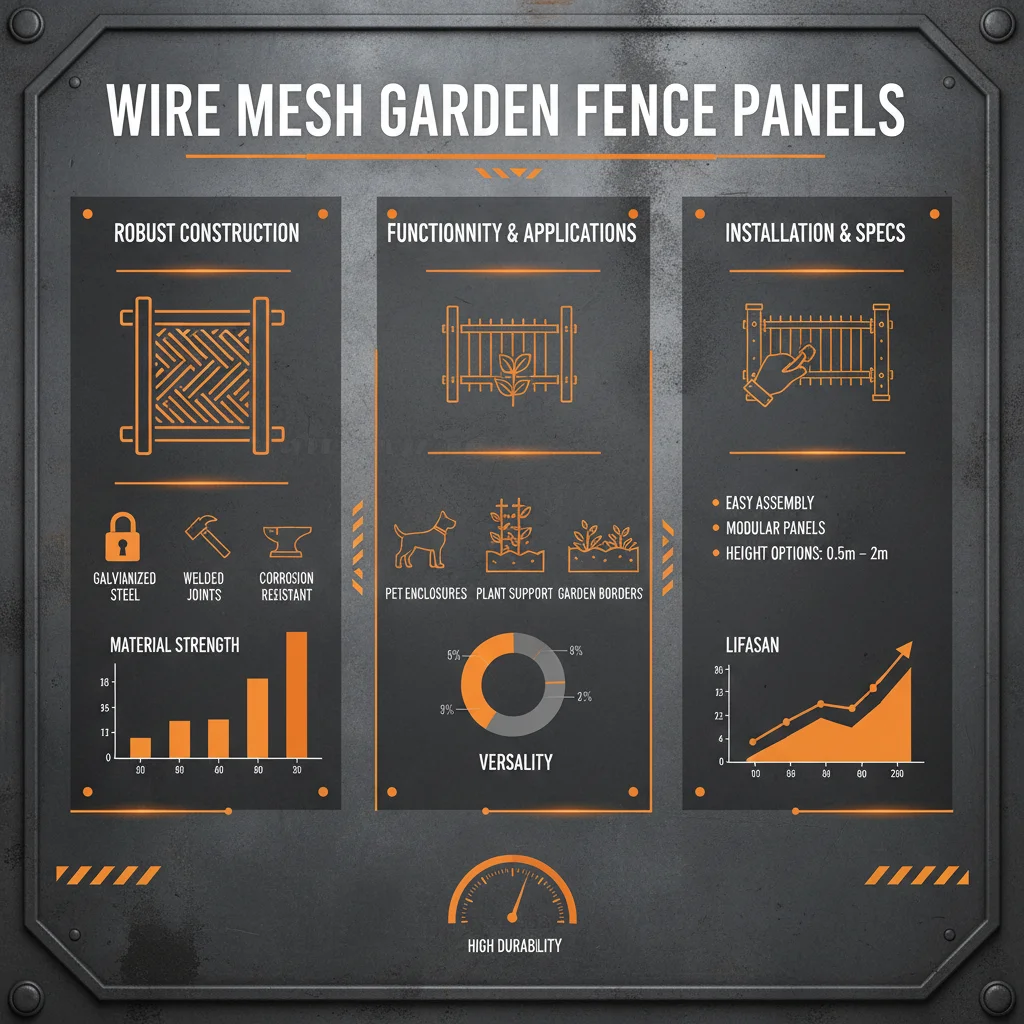
Finally, the versatility of Fence Panels allows for diverse applications. From providing security for residential properties to enclosing industrial sites, defining property lines to creating decorative garden features, the adaptability of these components is a key characteristic. The ability to customize height, style, and material further enhances their functionality and broadens their appeal.
Evaluating the performance of Fence Panels requires considering several key indicators. Durability, as measured by resistance to weathering and physical impact, is paramount. Cost-effectiveness, encompassing material costs, installation expenses, and long-term maintenance, is a critical factor for many consumers. Aesthetic appeal, though subjective, significantly influences property value and personal preference.
Security level, determined by panel height, material strength, and gate locking mechanisms, is a primary concern for residential and commercial applications. Ease of installation, impacting labor costs and project timelines, also plays a role in overall project efficiency. Analyzing these indicators helps determine the optimal Fence Panel solution for specific needs and budgets.
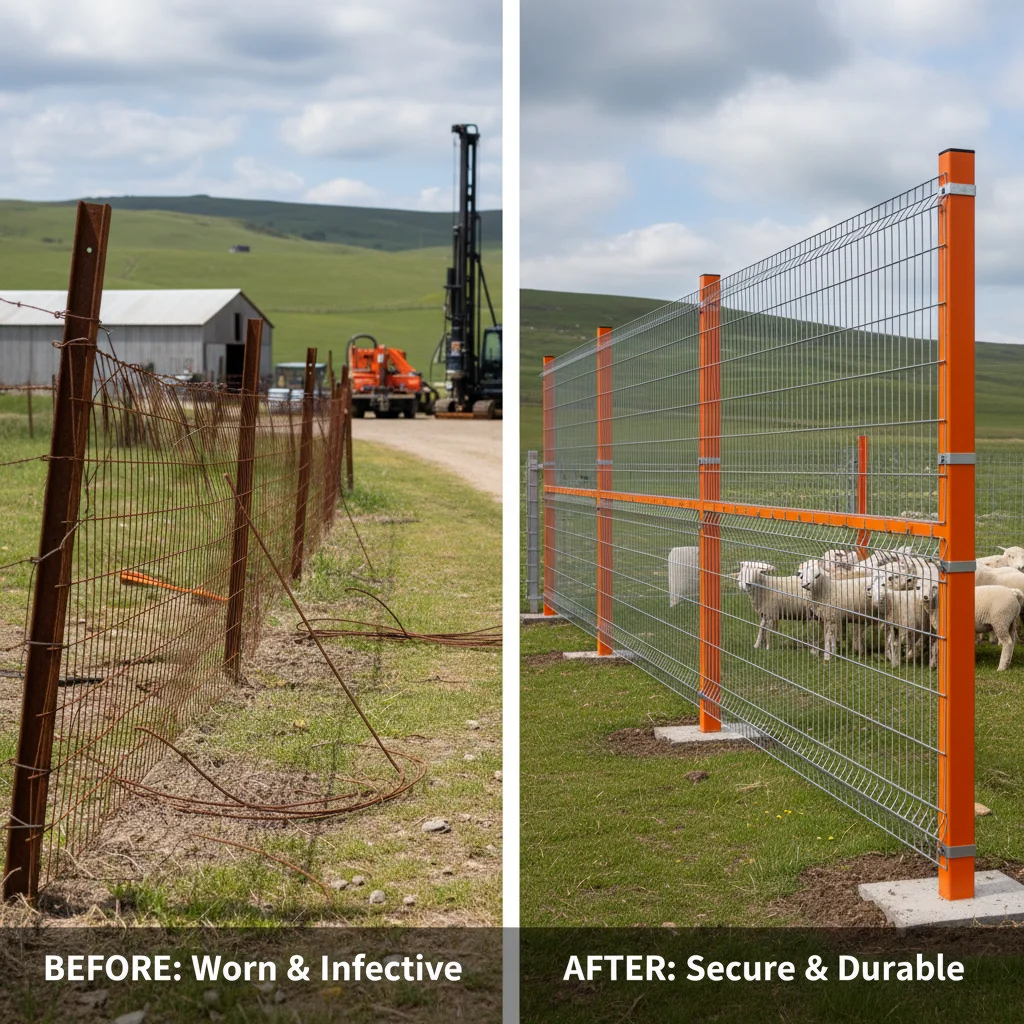
Fence Panels find extensive applications across diverse sectors. Residential properties utilize them for privacy, security, and aesthetic enhancement. Agricultural settings employ fencing to contain livestock and delineate property boundaries. Industrial facilities rely on robust fencing for security and perimeter control. Fence Panels are also critical for defining boundaries in public spaces like parks and schools.
In post-disaster relief operations, temporary fencing solutions using panels provide crucial security and demarcation. Remote industrial zones often utilize high-security fencing to protect valuable assets. Furthermore, the increasing demand for sustainable landscaping practices is driving the adoption of eco-friendly fencing options in both residential and commercial projects.
Investing in high-quality Fence Panels delivers enduring value far beyond the initial cost. Durable materials minimize the need for frequent repairs and replacements, resulting in long-term cost savings. Enhanced security provides peace of mind and protects valuable assets. Aesthetically pleasing fencing enhances property appeal and potentially increases resale value.
Furthermore, opting for sustainable materials contributes to environmental responsibility, aligning with growing consumer preferences for eco-friendly products. The emotional benefits of privacy and security are immeasurable, contributing to a sense of well-being and a higher quality of life. Choosing the right Fence Panels represents a smart investment that yields both tangible and intangible returns.
The longevity and reduced maintenance of superior Fence Panels contribute to a lower total cost of ownership, making them a financially sound choice.
The future of Fence Panels is poised for significant innovation. Emerging materials like graphene-enhanced composites promise unparalleled strength and durability. Smart fencing systems incorporating sensors and remote monitoring capabilities are gaining traction, providing enhanced security and real-time alerts. Automation in manufacturing processes will lead to greater efficiency and customization options.
Sustainability is a major driver of innovation, with increasing focus on recycled materials and biodegradable alternatives. Digital integration, including app-controlled gate access and integrated lighting, will further enhance functionality and convenience. The trend towards personalized designs and customized aesthetics will continue to shape the market.
Policy changes favoring sustainable building practices and promoting energy efficiency may also influence the development and adoption of new Fence Panel technologies.
| Material Type | Durability Rating (1-10) | Maintenance Level (Low-High) | Estimated Lifespan (Years) |
|---|---|---|---|
| Wood | 6 | High | 15-20 |
| Vinyl | 8 | Low | 30-50 |
| Aluminum | 7 | Low | 25-30 |
| Steel | 9 | Medium | 40+ |
| Composite | 8.5 | Very Low | 35-45 |
| Bamboo | 5 | Medium-High | 10-15 |
Steel generally offers the highest durability for Fence Panels, resisting physical impact and weathering exceptionally well. However, it requires regular maintenance to prevent rust. Vinyl and composite panels also provide excellent durability with minimal maintenance, though they may not be as strong as steel. The ideal choice depends on your specific needs and budget, considering factors such as climate and security requirements.
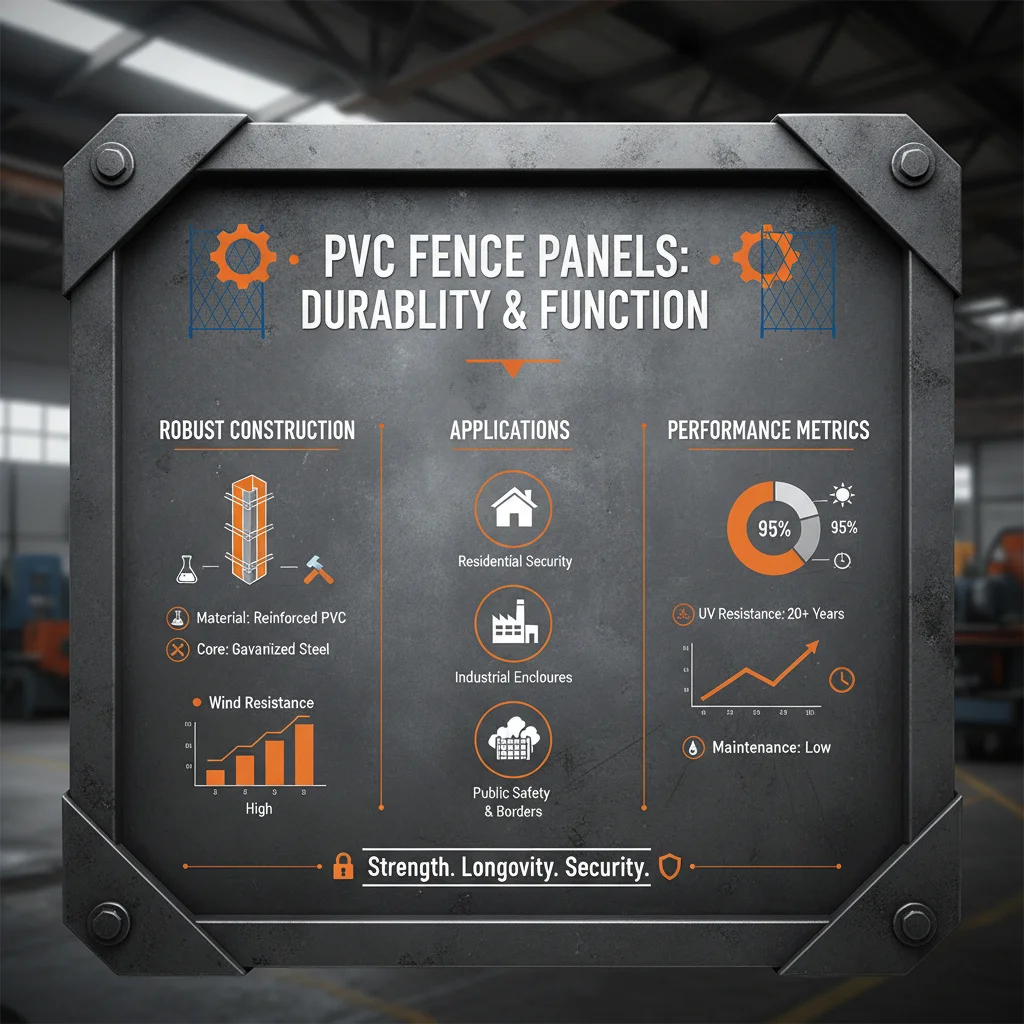
Vinyl Fence Panels are known for their longevity, typically lasting between 30 and 50 years with minimal maintenance. Unlike wood, vinyl doesn't rot, warp, or attract insects. While it can become brittle in extremely cold temperatures and may fade over time, modern vinyl formulations are significantly improved, offering greater resistance to UV degradation and impact damage.
Composite Fence Panels offer a more sustainable option compared to traditional wood fencing, as they often utilize recycled materials like plastic and wood fibers. This reduces reliance on virgin resources and diverts waste from landfills. However, the manufacturing process of some composites can have environmental impacts, so it’s essential to choose products from reputable manufacturers committed to responsible production practices.
The cost of installing Fence Panels varies significantly depending on the material, length of the fence, terrain, and labor rates. Generally, wood is the most affordable option, followed by vinyl and aluminum. Steel and composite panels tend to be more expensive. Installation costs typically range from $15 to $30 per linear foot, excluding materials. Obtaining multiple quotes from qualified installers is crucial for accurate budgeting.
Proper ground preparation is vital for ensuring the stability and longevity of Fence Panels. This involves clearing the area of vegetation, rocks, and debris. Checking for underground utilities is essential before digging post holes. Post holes should be deep enough to provide adequate support, typically one-third to one-half the fence height, and filled with concrete to anchor the posts securely.
Maintenance requirements vary by material. Wood fences require regular staining or painting to protect against weathering and rot. Vinyl and composite panels typically only need occasional cleaning with soap and water. Aluminum and steel fences may require occasional touch-ups to prevent rust. Regularly inspecting the fence for damage and addressing minor repairs promptly can significantly extend its lifespan.
In conclusion, Fence Panels represent a versatile and essential element in both residential and commercial landscapes. From providing security and privacy to enhancing aesthetic appeal, their importance cannot be overstated. Understanding the diverse materials, construction methods, and performance characteristics of different panels is crucial for making informed decisions that align with specific needs and budgets. The continued innovation in materials and technology promises even more durable, sustainable, and functional fencing solutions in the future.
As the demand for fencing solutions continues to grow, prioritizing quality, sustainability, and professional installation will be key to maximizing long-term value. We encourage you to explore the range of Fence Panels available and contact us for expert guidance in selecting the perfect fencing solution for your project.

If you are interested in our products, you can choose to leave your information here, and we will be in touch with you shortly.