A Lattice Fence Panel serves as more than just a boundary; it is a sophisticated fusion of architectural aesthetics and functional engineering. In the modern landscape of structural metal fabrication, these panels are prized for their ability to provide semi-privacy while maintaining airflow and light penetration, making them indispensable for residential gardens, commercial terraces, and urban planning projects worldwide.
From a global perspective, the demand for high-quality lattice structures has surged as urbanization increases and the need for "green" spatial dividers grows. By utilizing advanced materials like powder-coated aluminum and galvanized steel, the industry has evolved the traditional wooden trellis into a durable, low-maintenance solution that resists corrosion and weathering, ensuring long-term structural integrity in diverse climatic conditions.
Understanding the technical nuances of a Lattice Fence Panel—from its grid density to its material composition—allows architects and homeowners to optimize their outdoor environments. Whether used for supporting climbing plants or creating secure perimeters, these panels balance the psychological need for security with the visual desire for openness and elegance.
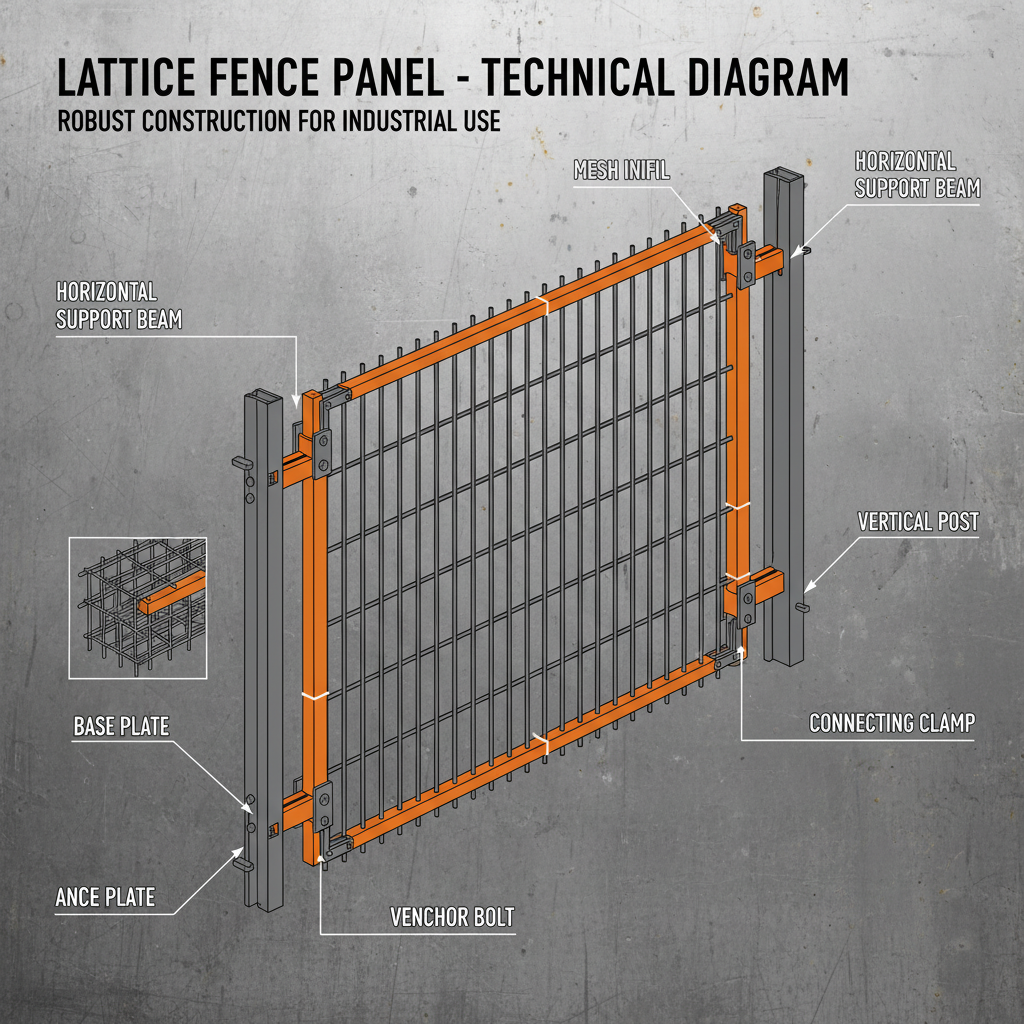
Global Industry Context of Lattice Fence Panels
The global market for structural metal products has seen a significant shift toward modularity and aesthetic versatility. The Lattice Fence Panel has emerged as a key player in this transition, aligning with ISO standards for structural safety and material longevity. As cities become denser, the ability to demarcate space without creating oppressive visual walls has become a priority for urban developers across Europe, North America, and Asia.
One of the primary challenges the industry addresses is the degradation of traditional fencing materials. Wood rots and PVC can crack under extreme UV exposure. By implementing precision-engineered metal lattice systems, manufacturers provide a solution that mitigates these failures while reducing the carbon footprint associated with frequent replacements. This shift is driven by a global movement toward sustainable infrastructure and high-performance metallurgy.
Technical Definition and Material Composition
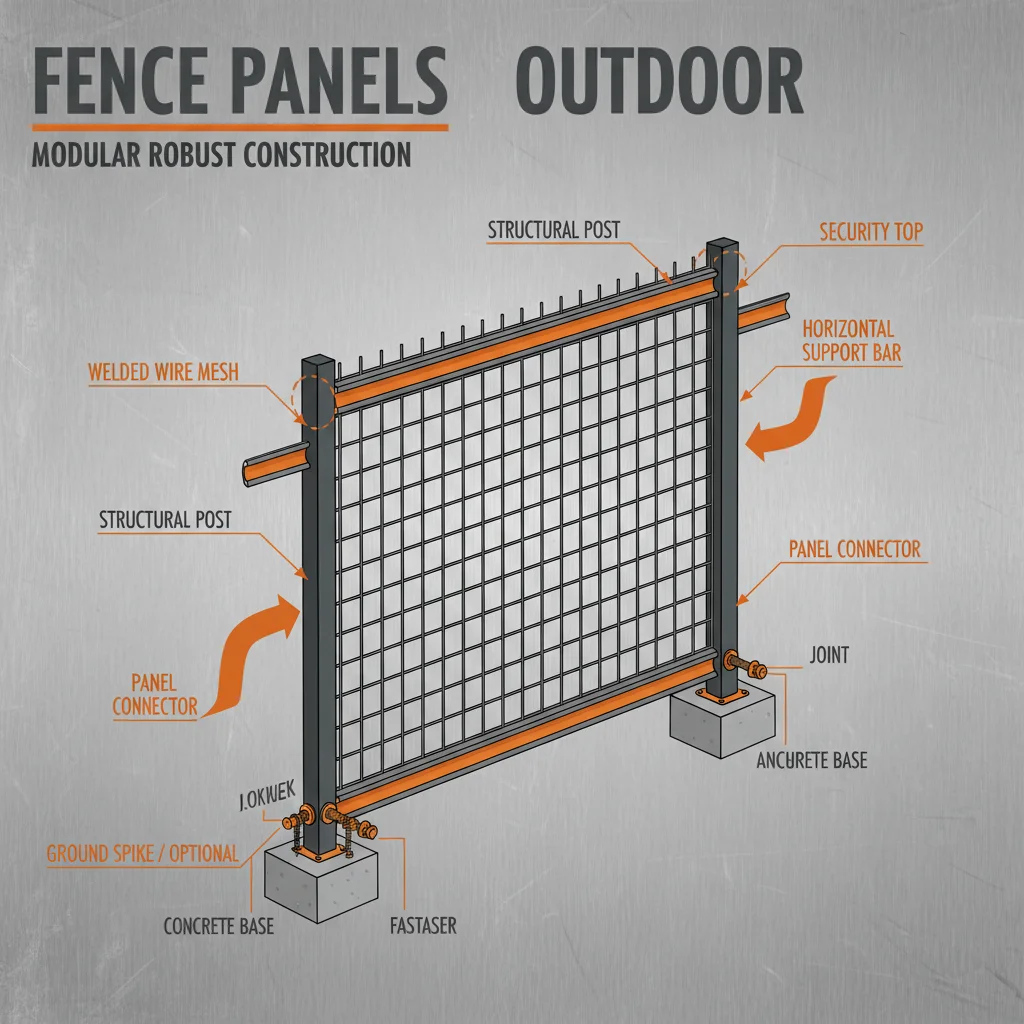
In technical terms, a Lattice Fence Panel is a crisscross framework of metal strips or rods, typically welded or bolted at intersection points to create a stable, open-grid structure. Unlike solid privacy fences, the lattice design allows for air circulation and light permeability, which prevents the "wind-sail" effect that often leads to structural failure in solid fences during high-wind events.
Modern iterations predominantly utilize high-grade aluminum alloys (such as 6061 or 6063) and galvanized steel. Aluminum is preferred for its inherent corrosion resistance and lightweight nature, making it ideal for residential balconies and coastal areas. Steel, when hot-dip galvanized, offers superior tensile strength and impact resistance, making it the standard for industrial perimeters and high-security zones.
The intersection of these materials with advanced coating technologies, such as electrostatic powder coating, ensures that the Lattice Fence Panel remains aesthetically pleasing for decades. These coatings provide a barrier against oxidation and chemical pollutants, ensuring that the structural integrity of the metal is preserved regardless of the environmental stressors.
Core Engineering Factors for Durability
When evaluating a Lattice Fence Panel, the first critical factor is the weld integrity. Each intersection point must be fused using precision welding techniques to ensure that the load is distributed evenly across the panel. Poor welding leads to stress concentrations, which can cause the panel to warp or crack under pressure.
The second essential factor is the gauge of the metal used. A higher gauge ensures that the Lattice Fence Panel can withstand lateral forces without permanent deformation. Balancing the weight of the material with the strength of the profile is key to achieving a product that is both easy to install and virtually indestructible.
Finally, the environmental adaptability of the coating cannot be overlooked. Whether it is a salt-spray resistant finish for maritime climates or a UV-stabilized matte black for urban luxury, the surface treatment determines the lifecycle of the Lattice Fence Panel, preventing the onset of rust and peeling that plagues inferior products.
Performance Metrics and Comparative Analysis
To truly understand the value of a Lattice Fence Panel, one must compare it against alternative fencing solutions across various performance metrics. While solid panels offer maximum privacy, they fail in wind-load tests. Conversely, chain-link systems offer durability but lack the architectural sophistication and privacy control provided by a lattice structure.
The efficiency of a lattice system lies in its "Strength-to-Weight" ratio. By removing unnecessary material while maintaining a geometric grid, engineers can create a barrier that is structurally sound yet light enough to be installed without heavy machinery, significantly reducing labor costs and installation time.
Comparative Performance of Lattice Fence Panel Variations
Global Applications and Use Cases
The versatility of the Lattice Fence Panel makes it applicable across a wide array of sectors. In residential architecture, it is frequently used as a "privacy screen" for patios or as a trellis for vertical gardens, allowing homeowners to maximize small urban spaces by growing flora upwards rather than outwards.
In industrial and commercial zones, these panels are often integrated into larger security systems. For instance, in remote industrial zones, lattice panels are used to protect sensitive equipment from debris and unauthorized access while still allowing technicians to visually inspect the hardware from a distance, thereby combining security with operational transparency.
Long-term Value and Sustainability
Investing in a high-quality Lattice Fence Panel offers significant long-term financial and ecological advantages. Unlike timber fences that require annual staining or chemical treatments, metal lattice systems are virtually maintenance-free. This eliminates the recurring cost of chemicals and labor, providing a lower "Total Cost of Ownership" (TCO) over a 20-year span.
From a sustainability standpoint, the use of recyclable aluminum and steel contributes to a circular economy. At the end of its long service life, a metal Lattice Fence Panel can be melted down and repurposed without loss of material quality, unlike composite materials that often end up in landfills.
Furthermore, the psychological value of these structures is immense. By creating a defined yet airy boundary, they foster a sense of safety and privacy without inducing claustrophobia. This balance of openness and protection enhances the livability of urban environments, adding tangible value to real estate properties.
Future Innovations in Lattice Fabrication
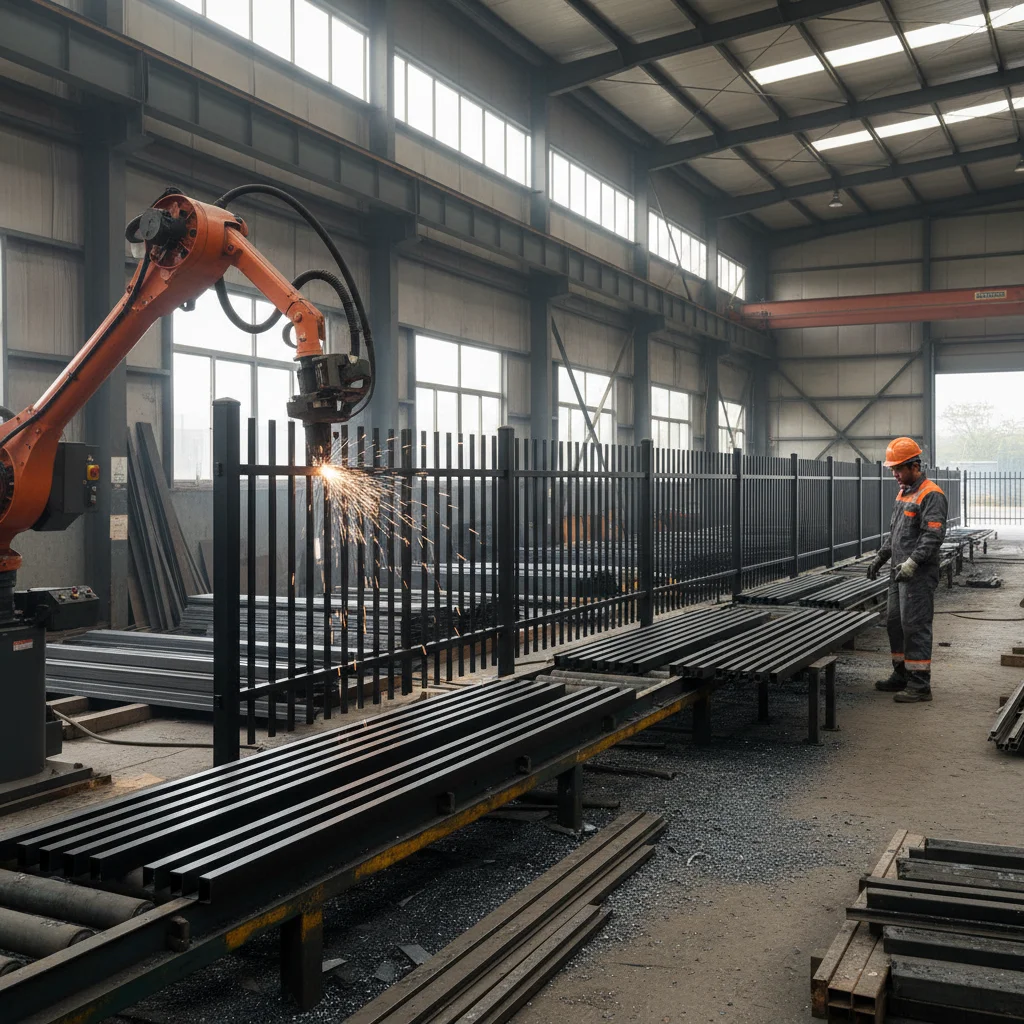
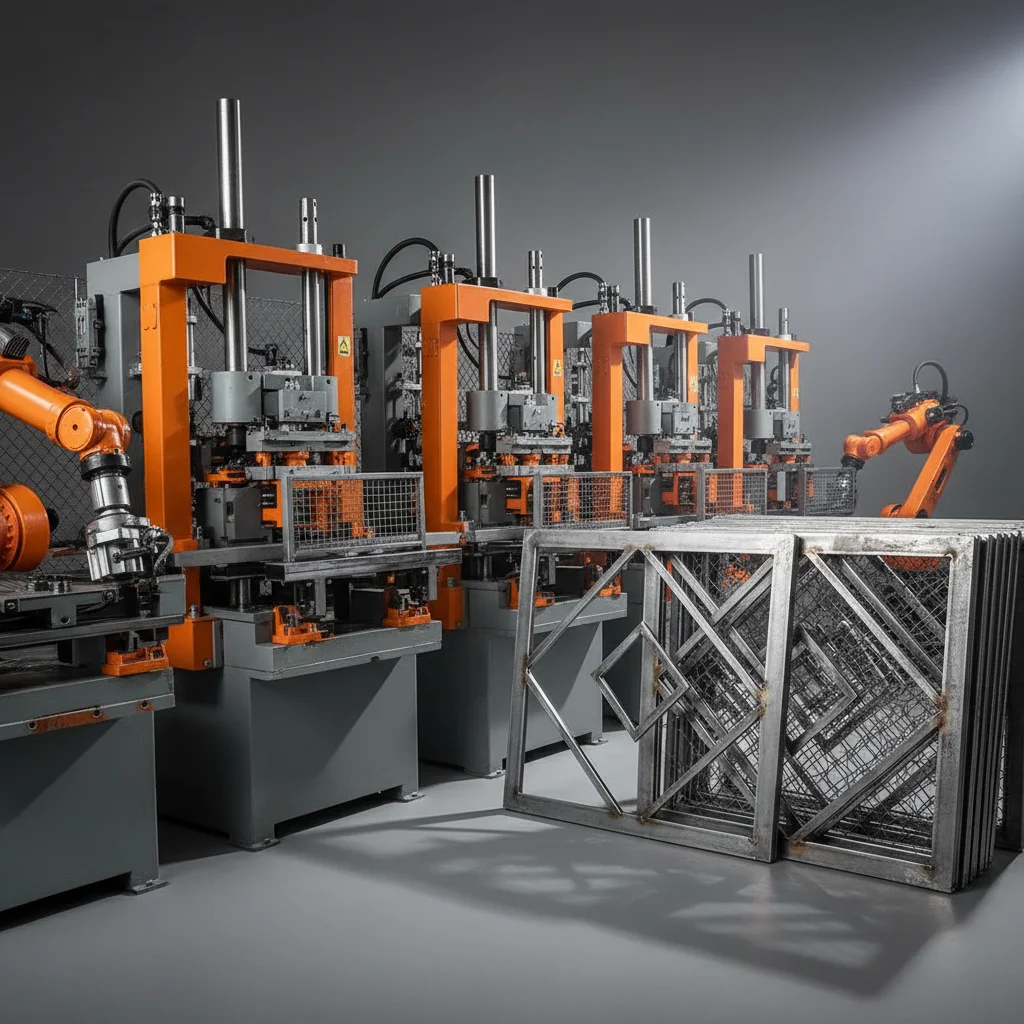
The future of the Lattice Fence Panel is being shaped by automation and smart materials. We are seeing the rise of CNC-laser cutting and robotic welding, which allow for complex, non-linear lattice patterns that were previously impossible or too expensive to produce. This enables architects to treat fencing as a piece of art rather than just a utility.
Moreover, the integration of "smart coatings" is on the horizon. Imagine a Lattice Fence Panel with self-healing polymers that can automatically seal small scratches in the powder coating, preventing rust before it starts. Such innovations will further extend the product lifespan and reduce the need for human intervention.
As the world moves toward "Green City" initiatives, we expect to see lattice panels designed specifically to integrate with automated hydroponic systems, turning every boundary wall into a functional air-purifying vertical forest.
Comparison of Advanced Lattice Fabrication Technologies
| Technology Type |
Precision Level |
Production Speed |
Cost Efficiency |
| Manual Welding |
Moderate |
Low |
Medium |
| Robotic Arm Welding |
High |
Very High |
High |
| CNC Laser Cutting |
Ultra-High |
Medium |
Low |
| Automatic Punching |
High |
High |
Very High |
| 3D Metal Printing |
Ultra-High |
Low |
Very Low |
| Hydro-forming Lattice |
High |
Medium |
Medium |
FAQS
A standard privacy fence is usually a solid wall that blocks all sight and airflow. In contrast, a Lattice Fence Panel features an open-grid design. This allows for partial visibility and wind passage, preventing the fence from acting like a sail during storms, while still providing a decorative boundary and support for climbing plants.
It depends on the application. Aluminum is superior for corrosion resistance and ease of installation due to its lighter weight, making it perfect for residential and coastal use. Steel is better for high-security or industrial applications where maximum impact resistance and structural rigidity are the primary requirements.
The most effective way to prevent rust is to choose panels that are either hot-dip galvanized or powder-coated. Powder coating creates a hard, durable skin that protects the metal from moisture and oxygen. Regular cleaning with mild soap and water is usually sufficient to maintain the finish for decades.
Yes, that is one of their primary uses. The grid structure of a Lattice Fence Panel provides the perfect anchor points for vines, ivy, and other climbing plants. This not only adds natural beauty to the area but can also create a "living wall" for added privacy and cooling.
Not at all. Most modern Lattice Fence Panels are designed as modular components. They can be easily slid into pre-installed posts or bolted using specialized brackets. Because they are lighter than solid walls, they often require less heavy equipment for installation.
A professionally manufactured, powder-coated aluminum or galvanized steel Lattice Fence Panel can easily last 20 to 50 years with minimal maintenance, far outperforming wood (which may rot in 10 years) or PVC (which may degrade under UV light).
Conclusion
The Lattice Fence Panel represents a perfect equilibrium between form and function. By integrating advanced metallurgy with geometric precision, it solves the age-old conflict between the need for security and the desire for an open, breathable environment. From its superior durability and low maintenance to its adaptability in urban and industrial settings, the lattice system is a cornerstone of modern structural metal fabrication.
As we look toward the future, the continued evolution of smart coatings and automated production will only make these solutions more accessible and sustainable. Whether you are an architect seeking an elegant boundary or a facility manager requiring a durable perimeter, investing in high-quality lattice panels is a strategic choice for long-term value. Visit our website: www.sdfencecompany.com to discover the perfect solution for your project.