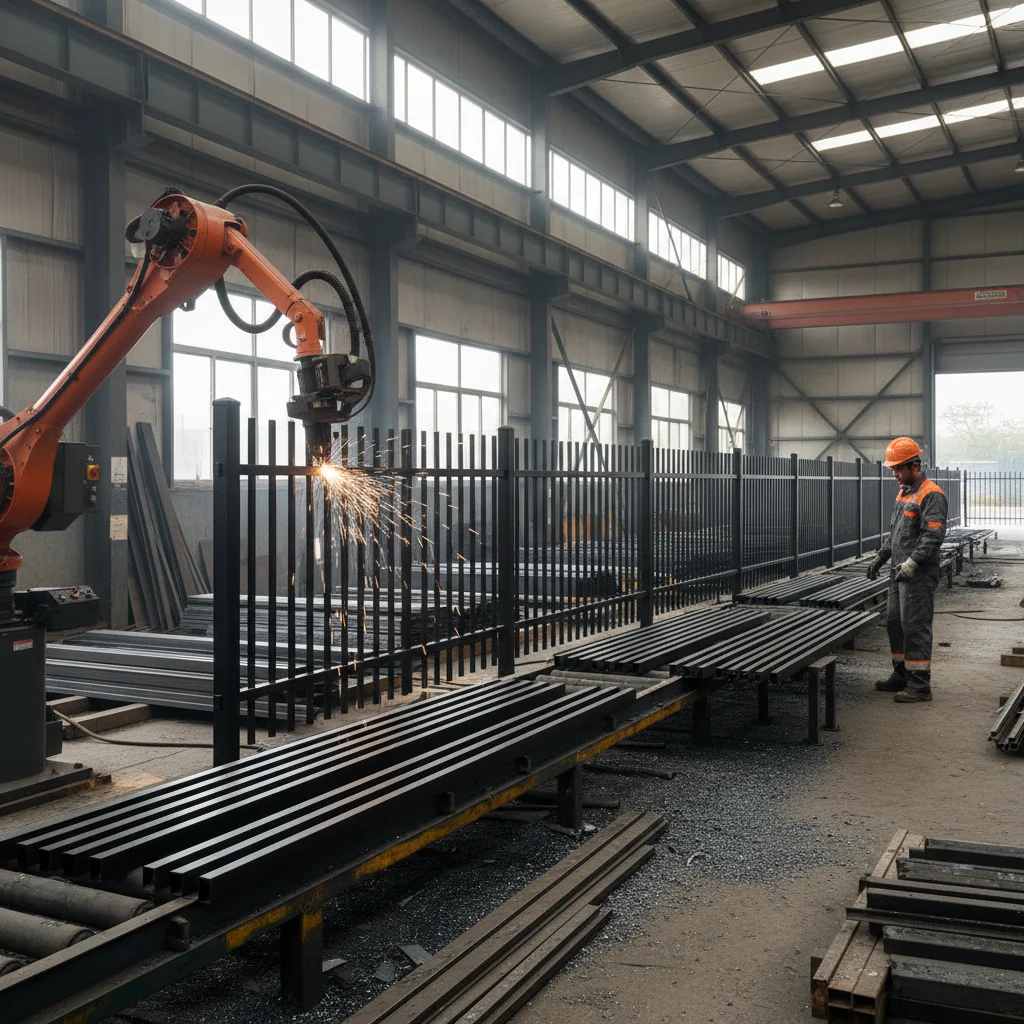
When considering high-security perimeter solutions, the demand for specialized structures like 3 High Aluminum Fence Panels has grown significantly across residential and commercial sectors. These systems provide a critical balance between imposing height for security and the lightweight, corrosion-resistant properties inherent to high-grade aluminum.
Global infrastructure trends now emphasize materials that reduce long-term maintenance costs while enhancing property value. By integrating advanced metallurgy with architectural design, modern fencing solutions address the need for robust boundaries that do not sacrifice aesthetic appeal or environmental sustainability.
Whether you are securing a private estate or a commercial facility, investing in 3 High Aluminum Fence Panels ensures a durable, low-maintenance barrier that stands up to the elements while providing peace of mind.
Global Relevance of High-Security Perimeter Fencing
In the contemporary global landscape, the need for secure boundary delineation has shifted from simple markers to high-performance barriers. The adoption of materials that resist oxidation and structural fatigue is now a priority for urban developers and industrial site managers worldwide, mirroring ISO standards for structural integrity and safety.
The challenge often lies in finding a material that provides the height necessary for security without the oppressive weight and rust-prone nature of traditional steel. This has led to a surge in the implementation of aluminum-based systems that offer high strength-to-weight ratios.
Understanding 3 High Aluminum Fence Panels
3 High Aluminum Fence Panels are specialized boundary systems designed to provide a significant vertical barrier, typically utilized for high-privacy or high-security requirements. Unlike standard residential fencing, these panels are engineered to withstand wind loads and physical pressure while remaining lightweight enough for efficient installation.
From an industry perspective, these systems represent a shift toward "intelligent" material selection. By utilizing aluminum, manufacturers can offer a product that does not rot like wood or peel like painted steel, making them ideal for coastal regions where salt air typically accelerates corrosion.
Furthermore, the connection to modern humanitarian and safety needs is evident in their use for protecting livestock, securing perimeter zones in disaster-prone areas, and creating safe enclosures for public utilities, ensuring that restricted areas remain truly restricted.
Core Components of Durable Fencing Systems
Durability is the cornerstone of any high-security installation. When evaluating 3 High Aluminum Fence Panels, the focus is on the alloy composition and the powder-coating process, which ensures the barrier remains impervious to cracking, chipping, or peeling over decades of exposure.
Scalability and customization are equally vital. These 3 High Aluminum Fence Panels can be adapted to various terrains and aesthetic requirements, allowing users to maintain a consistent security height while tailoring the style to fit the architectural context of the property.
Finally, cost-efficiency is realized through the low maintenance requirements of aluminum. Because these systems are virtually maintenance-free, the total cost of ownership is significantly lower than that of wood or steel, which require frequent staining or painting to prevent decay.
Practical Applications and Industrial Use Cases
In real-world contexts, high-vertical aluminum fencing is deployed across a variety of sectors. In commercial industrial zones, these panels are used to safeguard expensive machinery and hazardous materials from unauthorized access, providing a clear visual and physical deterrent.
In agricultural and equestrian settings, the sturdy construction is utilized to create secure boundaries for animals, preventing escape and protecting livestock from external threats. This application highlights the versatility of the material in harsh, outdoor environments.
Comparative Performance of High-Security Fencing Materials
Long-Term Value and Sustainability Benefits
The long-term value of choosing aluminum over traditional materials is rooted in sustainability. Aluminum is often produced from recycled materials and remains fully recyclable at the end of its lifespan, making it an eco-conscious choice for modern landowners.
Beyond the ecological impact, there is a psychological benefit to the security provided. The reliability of a high-vertical barrier fosters trust and dignity for residents and employees, knowing that their environment is protected by a system that will not warp or weaken over time.
Future Innovations in Aluminum Fence Technology
Looking forward, the integration of digital transformation is beginning to touch the fencing industry. We are seeing the emergence of "smart" aluminum panels that can incorporate sensors for intrusion detection without compromising the structural integrity of the fence.
Material science is also evolving, with new alloys that offer even greater tensile strength while further reducing weight. This allows for taller, more secure barriers that are easier to transport and install in remote locations.
Furthermore, automation in manufacturing is ensuring that panels are produced with tighter tolerances, resulting in seamless joints and a more polished architectural finish that meets the highest global aesthetic standards.
Overcoming Implementation Challenges
One common challenge in installing high-vertical fencing is wind resistance. To solve this, engineers often utilize specific picket spacing and reinforced post-anchoring systems that distribute wind load more effectively across the ground.
Another limitation is the initial cost compared to low-grade wood. However, this is easily overcome by performing a Life Cycle Cost Analysis (LCCA), which proves that the lack of maintenance and replacement costs makes aluminum the cheaper option over a 10-year period.
Finally, navigating local zoning laws regarding fence height can be tricky. Experts suggest working with professional designers who can provide certified structural drawings to ensure the installation meets all safety and legal requirements.
Core Analysis of High-Security Fencing Implementation
| Material Metric | Aluminum System | Steel System | PVC/Wood System |
|---|
| Corrosion Resistance | Excellent (Natural Oxide) | Moderate (Needs Coating) | Low (Rot/Degradation) |
| Maintenance Level | Very Low | High (Painting) | Very High (Staining) |
| Installation Speed | Fast (Lightweight) | Slow (Heavy) | Moderate |
| Lifespan (Years) | 30+ Years | 15-20 Years | 5-12 Years |
| Eco-Friendliness | High (Recyclable) | Moderate | Low (Chemicals) |
| Strength/Weight | High | Moderate | Low |
FAQS
Aluminum panels are significantly more durable than wood. While wood is prone to rotting, warping, and weathering, aluminum is naturally resistant to corrosion and does not decay. This means a high-vertical aluminum fence will maintain its structural integrity and appearance for decades without the need for regular painting or staining.
Actually, they are often easier to install than steel alternatives due to their lightweight nature. However, because of the height, professional installation is recommended to ensure the posts are anchored deeply enough to handle wind loads and provide the necessary stability for a secure boundary.
Yes, the sturdy construction of these panels makes them an excellent choice for protecting animals from potential attacks or preventing them from escaping. They provide a safe, secure enclosure that is far more reliable than standard chain-link or wooden options for larger livestock or pets.
Absolutely. Aluminum is one of the most sustainable building materials because it is often made from recycled sources and can be recycled again indefinitely at the end of its lifespan. Choosing aluminum reduces the demand for timber and the use of toxic chemical stains associated with wood fences.
Aluminum fences are virtually maintenance-free. Unlike steel which requires rust treatment or wood which needs sealing, aluminum only requires occasional cleaning with soap and water to remove dust and debris, saving you significant time and money in the long run.
Yes, the height provided by these systems ensures a high level of privacy. Depending on the style—whether it's an ornamental picket or a solid privacy panel—they effectively shield your property from view while maintaining a professional and attractive appearance.
Conclusion
In summary, the transition toward high-performance materials like those found in 3 High Aluminum Fence Panels represents a strategic investment in security, sustainability, and property value. By combining the strength of modern alloys with low-maintenance requirements and eco-friendly production, these systems solve the age-old conflict between durability and aesthetics.
As urban security needs evolve and environmental regulations tighten, the adoption of aluminum fencing is likely to become the industry standard. We recommend that property owners evaluate their long-term maintenance budgets and security goals before choosing a system that will stand the test of time. Visit our website: www.sdfencecompany.com