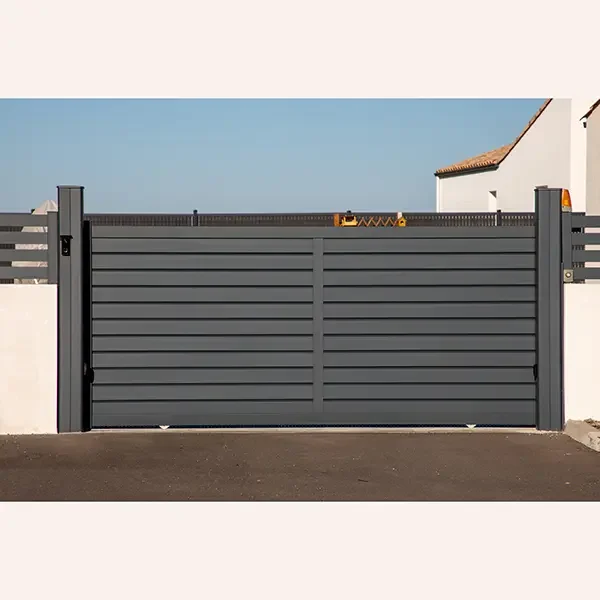
Wire Mesh Fence Panels represent a cornerstone of modern security and spatial management, blending engineering precision with practical utility. In an era where protecting assets and defining boundaries is critical for both industrial and residential sectors, these versatile structures offer a balance of visibility and strength that few other fencing options can match. By utilizing high-tensile steel or galvanized coatings, they provide a reliable barrier that withstands environmental stressors while maintaining structural integrity.
Globally, the demand for Wire Mesh Fence Panels has surged as urban infrastructure expands and the need for secure, low-maintenance enclosures grows. Whether it is securing a high-voltage substation, delineating a commercial parking lot, or protecting a garden perimeter, the adaptability of wire mesh allows it to be tailored to specific security levels and aesthetic preferences. Understanding the nuances of material grade and mesh density is key to maximizing the return on investment for any property owner.
The true value of integrating high-quality mesh panels lies in their ability to provide "transparent security." Unlike solid walls, they allow for natural light and ventilation, reducing the feeling of confinement while still deterring unauthorized access. As we move toward more sustainable construction practices, the recyclability of metal components makes these panels an eco-friendly choice for long-term infrastructure projects across the globe.
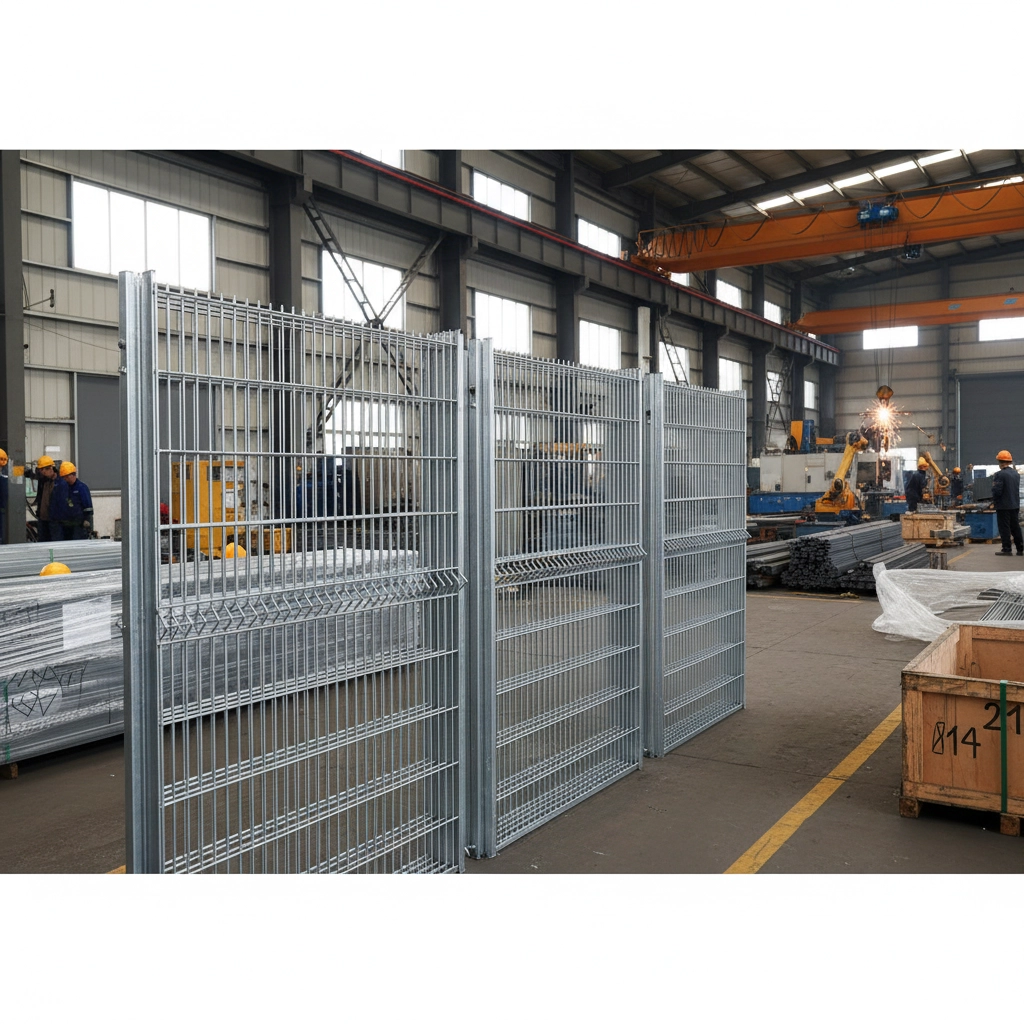
Global Industry Context of Wire Mesh Fence Panels
On a global scale, the perimeter security market has seen a significant shift toward standardized, modular solutions. According to industrial benchmarks and ISO quality standards, the move toward galvanized and powder-coated Wire Mesh Fence Panels is driven by the need for rapid deployment and longevity in corrosive environments. From the industrial hubs of East Asia to the sprawling logistics centers in North America, the reliance on these panels ensures that critical infrastructure remains protected against trespassing and theft.
However, the industry faces a constant challenge: balancing cost-efficiency with extreme durability. Many regions struggle with salt-air corrosion or high humidity, which can degrade inferior metal fences within a few years. This has led to a technical evolution in the coating processes, where multi-stage zinc plating and advanced polymer finishes are now the gold standard to ensure that security barriers do not become a maintenance liability.
Defining the Engineering of Wire Mesh Fence Panels
At its core, Wire Mesh Fence Panels are prefabricated structural grids made from intersecting metal wires, typically welded at each junction to create a rigid, stable panel. Unlike traditional chain-link fences that can sag over time, welded mesh panels maintain their shape and tension, providing a professional appearance and a higher level of physical resistance. The engineering focuses on the "aperture"—the size of the opening—which determines whether the fence is designed for animal control, child safety, or high-security intrusion prevention.
The connection to modern industry is profound; these panels are no longer just "fences" but are engineered components of a larger security ecosystem. In humanitarian contexts, such as creating temporary secure zones or protecting water treatment plants in developing regions, the ease of transport and assembly makes these panels an essential tool. They allow for the quick establishment of order and safety in volatile environments.
From a material science perspective, the use of high-carbon steel allows these panels to resist cutting and bending. When combined with specialized mounting brackets and posts, the resulting system distributes impact forces across the entire grid, preventing localized failures that are common in lower-grade fencing. This structural synergy is what makes them a preferred choice for government installations and high-risk industrial sites.
Core Components of High-Performance Mesh
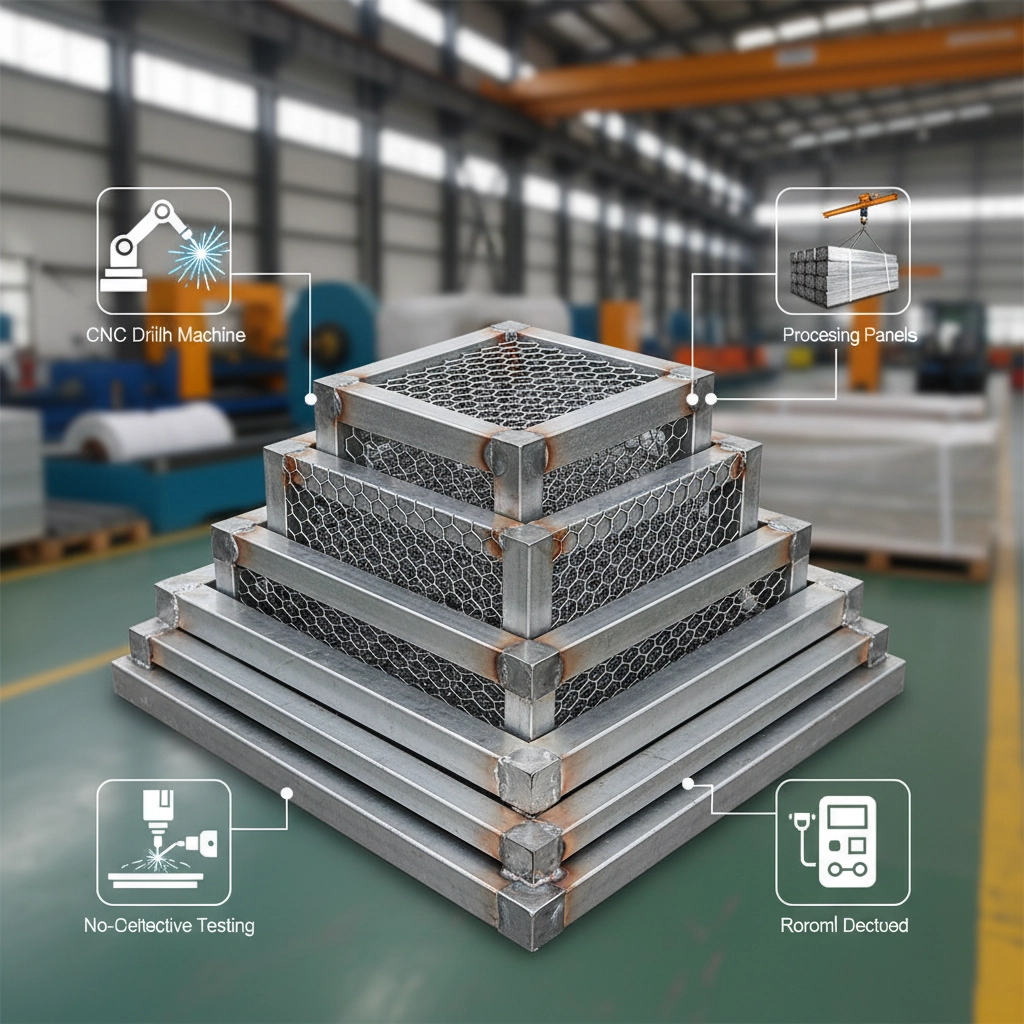
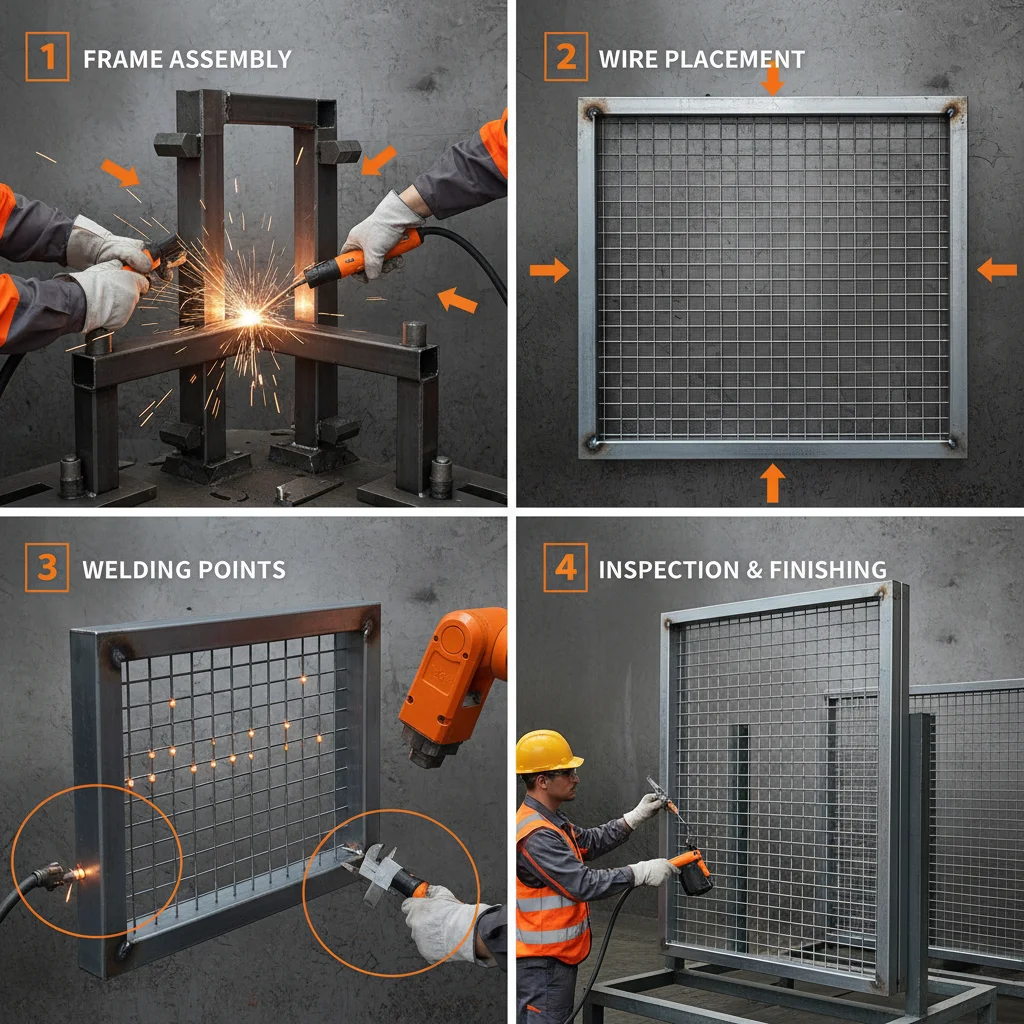
The durability of Wire Mesh Fence Panels is primarily dictated by the quality of the raw steel and the precision of the welding. A high-performance panel utilizes automated resistance welding, which ensures that each joint is fused without compromising the integrity of the wire. This prevents the "unraveling" effect seen in cheaper, manually tied alternatives.
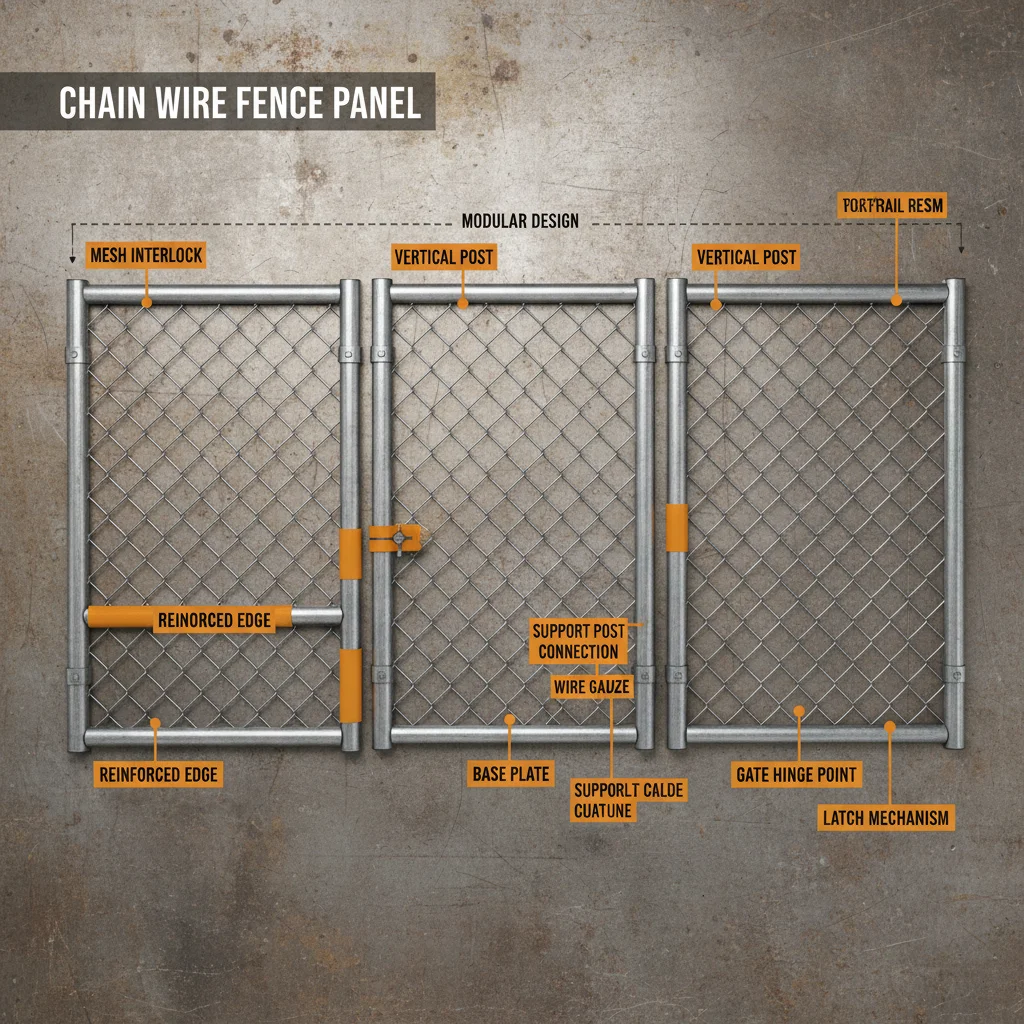
Scalability and versatility are achieved through modular design. By producing standard panel sizes that can be interlocked using specialized clips or bolts, contractors can cover vast areas of land with minimal waste. This modularity allows for easy replacement of a single damaged section without having to dismantle the entire perimeter, significantly reducing long-term operational costs.
Finally, the protective coating—whether it be hot-dip galvanizing or PVC coating—serves as the first line of defense against oxidation. In coastal regions, the chemical bond between the zinc layer and the steel substrate is what prevents rust from penetrating the core of the wire. This chemical engineering ensures that the panels remain aesthetically pleasing and structurally sound for decades.
Real-World Global Applications and Use Cases
In practical application, Wire Mesh Fence Panels are deployed across a diverse array of sectors. In the energy sector, they are used to enclose transformer stations and solar farms, providing a barrier that keeps wildlife and unauthorized personnel out while allowing technicians to monitor equipment visually from a distance. In urban environments, they are frequently used for "crowd control" during large-scale events, where temporary but sturdy barriers are required to manage pedestrian flow.
Furthermore, in remote industrial zones—such as mining sites in Australia or oil fields in the Middle East—these panels are prized for their resistance to extreme temperature fluctuations. Their ability to be shipped as flat-packed kits and assembled on-site makes them the only viable option for projects where logistics are a primary constraint.
Performance Comparison of Wire Mesh Fence Panels Types
Long-Term Value and Sustainability Benefits
Investing in premium Wire Mesh Fence Panels provides tangible long-term economic value. By reducing the frequency of repairs and the need for constant painting or treating, property owners save significantly on labor and material costs over a 10-to-20-year horizon. The logical appeal is clear: a higher initial investment in hot-dip galvanized steel prevents the catastrophic failure and complete replacement costs associated with low-grade alternatives.
Beyond the financial aspect, there is a strong emotional and social value tied to security. For a business owner, a sturdy mesh fence provides peace of mind; for a community, it provides a sense of safety and order. Furthermore, from a sustainability angle, steel is one of the most recycled materials on earth. At the end of its lifecycle, these panels can be melted down and repurposed, fitting perfectly into a circular economy and reducing the carbon footprint of infrastructure development.
Future Trends in Fencing Technology
The future of Wire Mesh Fence Panels is being shaped by the integration of "smart" technology. We are seeing the emergence of sensor-integrated mesh, where fiber-optic cables are woven into the panels to detect vibrations or cutting attempts in real-time. This transforms a passive barrier into an active security system that can alert operators to the exact coordinate of a breach, drastically reducing response times.
Material science is also evolving with the introduction of nano-coatings. These ultra-thin layers provide hydrophobic and anti-graffiti properties, making the panels nearly self-cleaning and impervious to chemical attacks. This is particularly valuable for municipal projects where maintenance budgets are tight and vandalism is a common occurrence.
Additionally, the shift toward automation in manufacturing—such as AI-driven quality control and robotic welding—is increasing the precision of panel construction. This ensures that every panel is perfectly square and every weld is consistent, eliminating the human error that can lead to structural weak points. As these technologies scale, high-security mesh will become more affordable for small-to-medium enterprises.
Common Challenges and Expert Solutions
One of the most persistent challenges with Wire Mesh Fence Panels is the issue of "edge corrosion," where the cut ends of the wires are exposed to the elements. Expert installers now recommend the use of capped edges or specialized end-sealants to prevent moisture from seeping into the core of the wire. By addressing the vulnerability at the point of installation, the lifespan of the system can be extended by several years.
Another common limitation is the "climbability" of standard mesh apertures. To overcome this, industry experts suggest the implementation of "anti-climb" mesh (such as 358 mesh), which features apertures so small that fingers and toes cannot find a grip. This innovative approach solves the security gap without necessitating the addition of unsightly and potentially dangerous barbed wire toppers.
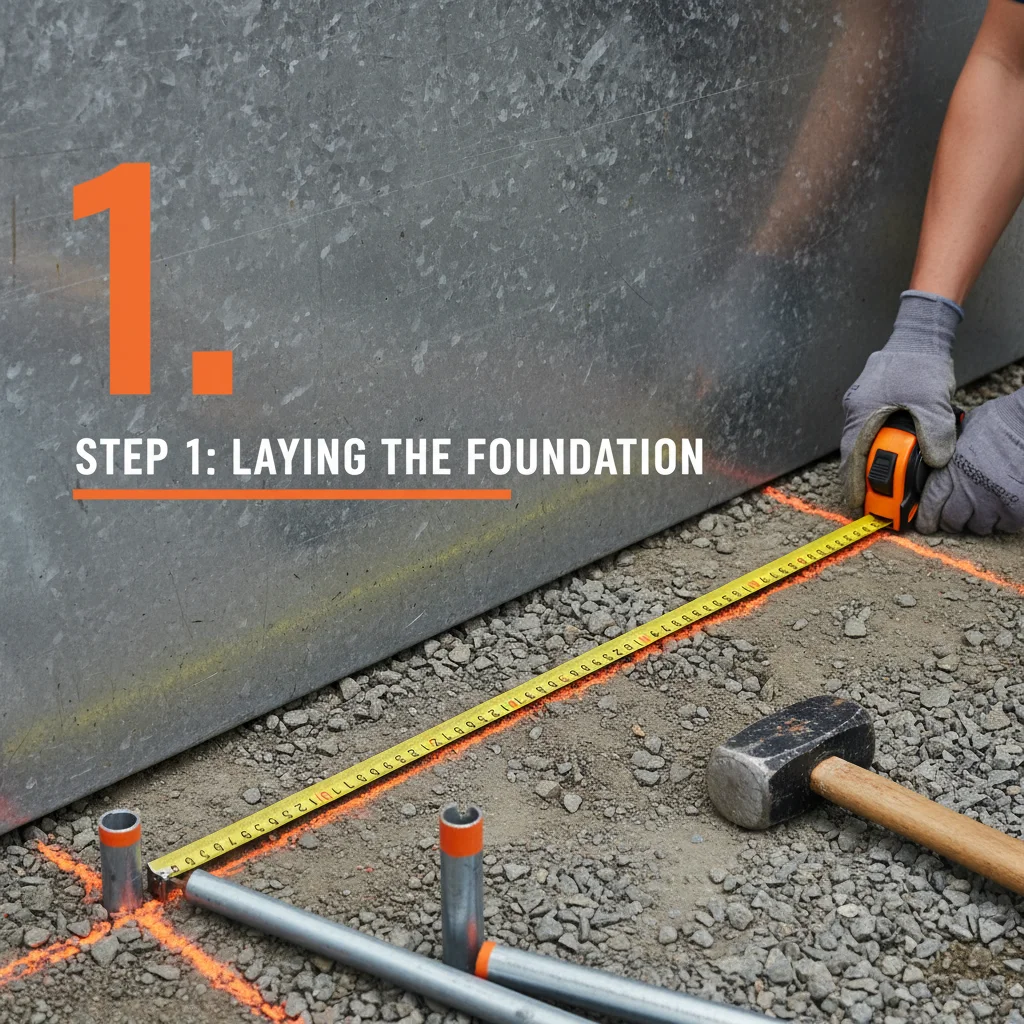
Lastly, the challenge of ground instability often leads to leaning panels. The solution lies in the use of reinforced concrete footings and adjustable mounting brackets. By allowing for slight adjustments during the installation process, contractors can ensure a perfectly plumb line even on uneven terrain, maintaining both the aesthetic appeal and the structural integrity of the perimeter.
Technical Analysis of Wire Mesh Fence Panel Specifications
| Panel Variant |
Security Level |
Corrosion Resistance |
Installation Speed |
| Standard Galvanized |
Medium |
High |
Fast |
| PVC Coated |
Medium |
Very High |
Fast |
| Anti-Climb 358 |
Extreme |
High |
Moderate |
| Powder Coated |
Medium |
Medium |
Fast |
| Stainless Steel |
High |
Extreme |
Moderate |
| Heavy-Duty Welded |
High |
High |
Moderate |
FAQS
Unlike chain-link, which consists of woven wires that can be easily pushed or sagged, Wire Mesh Fence Panels are welded at every intersection. This creates a rigid structure that is significantly harder to deform, offers a cleaner aesthetic, and typically provides higher security because the apertures are consistent and cannot be expanded as easily as chain-link mesh.
For coastal areas with high salt spray, a combination of hot-dip galvanizing followed by a PVC or powder coating is recommended. The galvanizing provides the primary chemical bond to prevent rust, while the outer polymer layer acts as a physical shield against saline moisture, ensuring the fence doesn't corrode from the outside in.
Not necessarily. By using adjustable mounting brackets and customized post heights, Wire Mesh Fence Panels can be stepped or raked to follow the contour of the land. This ensures the perimeter remains secure without creating gaps at the bottom of the fence, which is a common failure point in poor installations.
Anti-climb mesh, often referred to as 358 mesh, features very small apertures (e.g., 76.2mm x 12.7mm). This design makes it virtually impossible for intruders to get a finger-hold or a toe-hold on the panel, and it is too narrow for most bolt cutters to penetrate easily, providing a high level of security without the need for topping wires.
Depending on the thickness of the zinc coating and the environmental conditions, a high-quality hot-dip galvanized panel can last between 20 to 50 years. In moderately corrosive environments, you can expect a lifespan of 25+ years before any significant structural degradation occurs, provided the coating remains intact.
Yes, they are ideal for integration. Because of their rigid structure, they provide a stable base for mounting PIR sensors, CCTV cameras, and vibration detectors. Some advanced panels even come with pre-installed conduits or fiber-optic sensors that turn the entire fence into a detection grid.
Conclusion
In summary, Wire Mesh Fence Panels offer an unparalleled combination of structural rigidity, installation efficiency, and long-term durability. By evolving from simple barriers to engineered security systems, they address the critical needs of modern industry—from protecting high-value assets in industrial zones to providing safe, transparent boundaries in residential and commercial spaces. The integration of advanced coatings and modular designs ensures that these solutions remain cost-effective while meeting the strictest global quality standards.
Looking ahead, the convergence of material science and smart technology will likely make these panels even more integral to the "Smart City" infrastructure. We recommend that property owners and project managers prioritize material grade and coating quality over initial price to ensure a sustainable, low-maintenance security perimeter. For those seeking professional-grade fencing solutions that balance security with aesthetics, exploring specialized mesh options is the most reliable path forward. Visit our website: www.sdfencecompany.com