The concept of the Privacy Fence Panel has evolved from a simple boundary marker into a sophisticated architectural element that balances security, aesthetics, and personal sanctuary. In an increasingly crowded urban and suburban landscape, the desire for visual and acoustic isolation has driven the demand for high-quality modular fencing solutions that can be deployed quickly without sacrificing structural integrity.
Globally, the shift toward high-performance materials like aluminum, WPC, and galvanized steel has transformed how we perceive residential and commercial boundaries. A well-engineered Privacy Fence Panel does more than just block the view; it enhances property value, provides a windbreak, and creates a psychological sense of safety and ownership in a chaotic world.
Understanding the technical nuances of these panels—from powder-coating durability to tongue-and-groove interlocking systems—is essential for homeowners and contractors alike. By integrating modern engineering with ergonomic design, today's privacy solutions offer a sustainable alternative to traditional wood, reducing maintenance costs while increasing the lifespan of the installation.
Global Industry Standards for Privacy Fence Panels
The manufacturing of a professional Privacy Fence Panel is governed by strict international standards to ensure safety and longevity. Following ISO 9001 quality management systems, leading manufacturers focus on the precision of the extrusion process and the chemical composition of the alloys used. This ensures that each panel can withstand extreme weather conditions, from the high humidity of tropical regions to the freezing cycles of northern climates.
Beyond mere material quality, the industry is moving toward standardized modularity. By adhering to universal dimensions and interlocking mechanisms, the Privacy Fence Panel has become a scalable product that allows for rapid installation across diverse geographic territories, reducing labor costs and minimizing site waste.
Core Engineering Components of High-End Panels
A high-performance Privacy Fence Panel is not a single piece of material but a system of integrated components. The core consists of vertical slats or planks designed with specific profiles to maximize wind resistance while maintaining a complete visual block. These components are typically held together by heavy-duty rails that prevent sagging over long spans, ensuring the fence remains plumb and professional-looking for decades.
One of the most critical engineering aspects is the fastening system. Modern panels utilize hidden fasteners or tongue-and-groove joints to eliminate visible screws and nails, which are often the primary points of corrosion. This design not only enhances the sleek, commercial aesthetic but also prevents water from pooling in screw holes, which is the leading cause of premature failure in traditional wooden fencing.
Furthermore, the integration of reinforced posts is essential for the stability of the Privacy Fence Panel. By utilizing internal steel reinforcements or thickened aluminum walls, these systems can resist high wind loads—a critical requirement for coastal installations or high-altitude regions where wind pressure can easily buckle inferior products.
Material Science and Durability Analysis
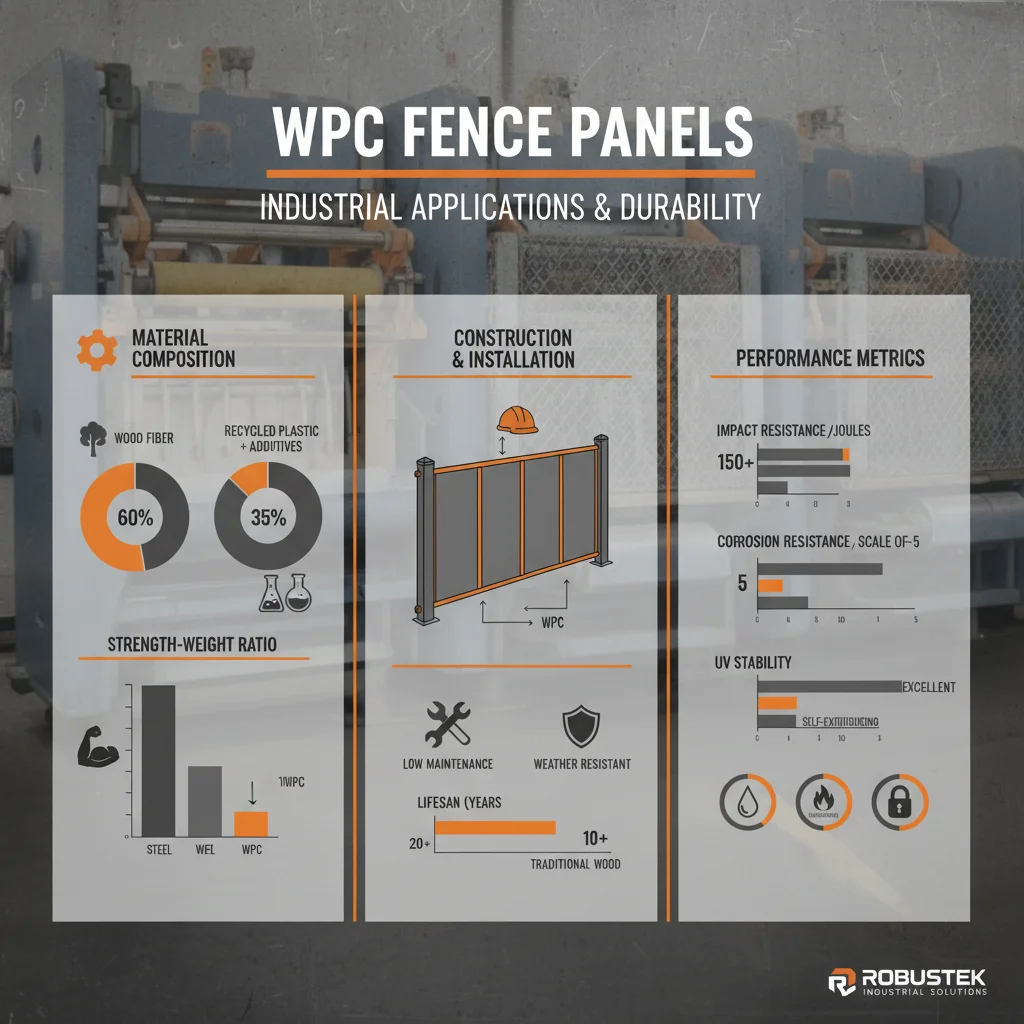
The evolution of the Privacy Fence Panel has been driven by advancements in metallurgy and polymer science. While traditional wood requires constant staining and sealing, modern aluminum and WPC (Wood Plastic Composite) panels offer a "set-and-forget" solution. Aluminum, in particular, provides an exceptional strength-to-weight ratio, making it the gold standard for structural integrity.
A key breakthrough in Privacy Fence Panel durability is the application of architectural-grade powder coating. Unlike standard paint, powder coating is electrostatically applied and cured under heat, creating a hard, non-porous shell that is virtually impervious to UV radiation, salt spray, and chemical pollutants.
Moreover, the rise of sustainable composites has introduced a new dimension to the Privacy Fence Panel market. By blending recycled plastics with wood fibers, manufacturers have created panels that mimic the warmth of natural timber but possess the resilience of synthetic materials, effectively solving the problem of rot, termite infestation, and warping.
Performance Comparison Across Panel Types
When selecting a Privacy Fence Panel, it is crucial to evaluate the trade-off between initial cost and long-term maintenance. Aluminum panels offer the highest durability and lowest maintenance but come with a higher upfront price. In contrast, PVC or composite options provide a middle ground, offering great aesthetics and reasonable lifespans.
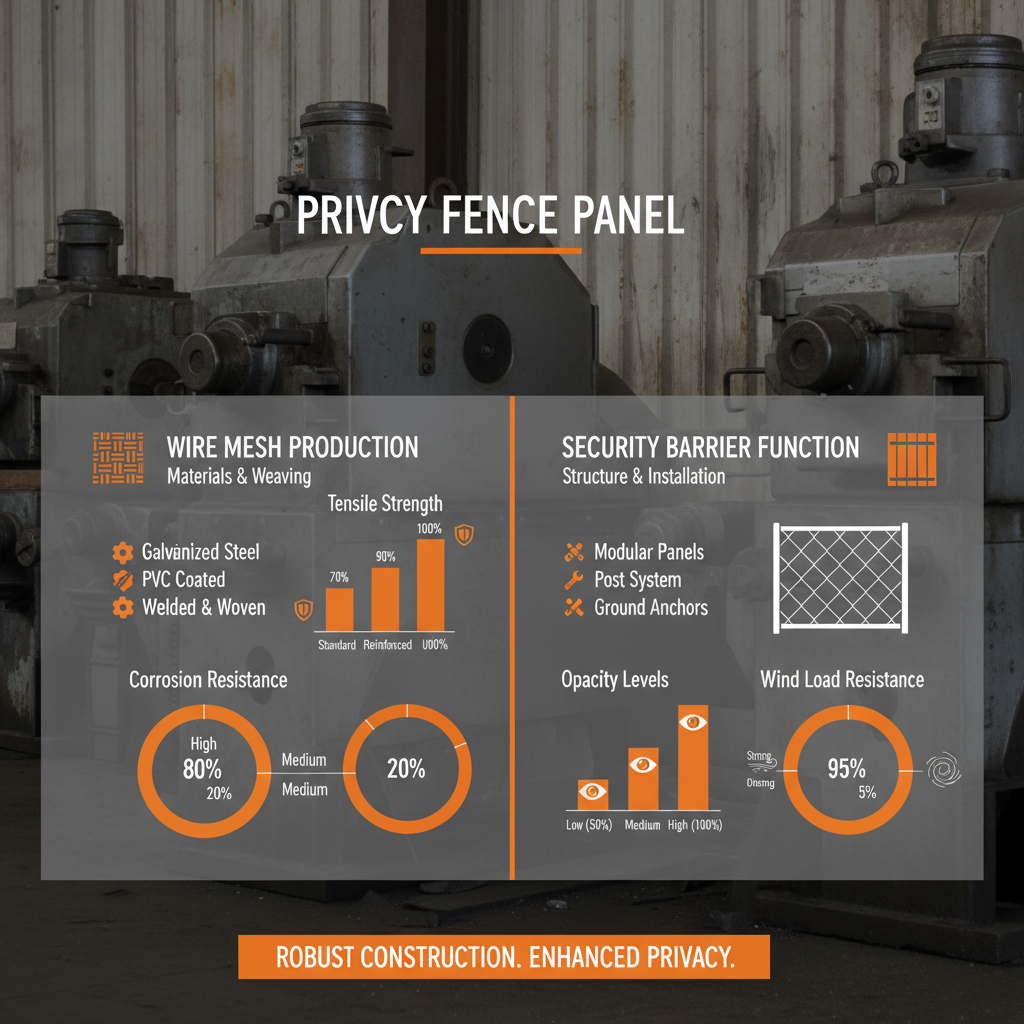
The following data illustrates how different configurations of the Privacy Fence Panel perform across key metrics such as wind resistance, UV stability, and installation speed.
Privacy Fence Panel Material Performance Metrics
Global Applications and Use Case Scenarios
The versatility of the Privacy Fence Panel makes it suitable for a vast array of environments. In high-density residential zones in North America and Europe, these panels are predominantly used to create private backyard sanctuaries, shielding families from the noise and gaze of neighbors. The modular nature allows for custom heights, ensuring that the privacy level is tailored to the specific topography of the lot.
In commercial and industrial settings, such as data centers or corporate campuses, the Privacy Fence Panel serves a dual purpose: security and branding. By using powder-coated finishes that match corporate colors, companies can secure their perimeter while maintaining a professional architectural appearance. Additionally, in coastal resort areas, aluminum panels are preferred due to their immunity to salt-air corrosion, which would destroy traditional steel or wood fences within a few years.
Long-Term Economic and Environmental Value
From a financial perspective, investing in a high-quality Privacy Fence Panel is a strategic move for property appreciation. Real estate data consistently shows that properties with low-maintenance, aesthetically pleasing boundaries command higher resale values. The elimination of annual painting or staining costs means that the total cost of ownership (TCO) over twenty years is significantly lower than that of traditional alternatives.
Sustainability is another cornerstone of the modern Privacy Fence Panel. Aluminum is infinitely recyclable without losing its properties, meaning that at the end of its lifecycle, a panel can be melted down and reused. This contrasts sharply with pressure-treated wood, which often contains chemicals that make it hazardous to burn or dispose of in landfills.
Furthermore, the precision of factory-made panels reduces on-site waste. Because each Privacy Fence Panel is pre-cut and pre-assembled to exact specifications, there is virtually no scrap material left behind during installation, aligning with the global movement toward green construction and LEED certification.
Future Innovations in Privacy Fencing Technology
The future of the Privacy Fence Panel lies in the intersection of material science and smart technology. We are seeing the emergence of "smart fences" that incorporate integrated LED lighting systems and sensors for security monitoring, all embedded within the panel structure. These innovations transform the fence from a passive barrier into an active part of a home's security ecosystem.
Another exciting trend is the development of acoustic-dampening cores. By filling the interior of the Privacy Fence Panel with specialized sound-absorbing polymers, manufacturers are creating barriers that not only block sight but significantly reduce ambient city noise, providing a true auditory sanctuary for the user.
Finally, 3D printing and additive manufacturing are beginning to influence panel design. This allows for the creation of complex, organic patterns that were previously impossible to achieve with extrusion or milling, giving architects the freedom to design a Privacy Fence Panel that serves as a piece of modern art while maintaining its primary function of privacy.
Technical Comparison of Future-Ready Privacy Fence Panel Systems
| Panel Technology |
Primary Material |
Innovation Key |
Maintenance Level |
| Smart-Integrated |
Aluminum Alloy |
LED & Sensors |
Very Low |
| Acoustic-Core |
Composite Poly |
Sound Absorption |
Low |
| Eco-Recycled |
HDPE / Wood Fiber |
100% Recycled |
Very Low |
| High-Wind Rigid |
Reinforced Steel |
Torsion Resistance |
Medium |
| Additive Design |
Polymer Resin |
Custom Geometry |
Low |
| Self-Cleaning |
Nano-coated Alum |
Hydrophobic Layer |
Ultra Low |
FAQS
The ideal height depends on your specific goal. For basic boundary marking, 4-5 feet is sufficient. However, for true visual privacy from neighbors or noise reduction from a street, 6-8 feet is the industry standard. Always check local zoning laws and HOA regulations, as many residential areas have strict height limits for front-yard versus back-yard installations to ensure neighborhood airflow and sightlines.
Yes, in terms of longevity and maintenance. While wood offers a traditional look, it is prone to rot, termites, and warping. Aluminum panels are corrosion-resistant, require no staining, and maintain their structural integrity for decades. While the initial investment is higher, the lack of recurring maintenance costs makes aluminum more cost-effective over the long term.
High-quality Privacy Fence Panels are engineered for wind resistance. Many feature reinforced internal bracing and heavy-duty post connections. For extremely windy areas, we recommend panels with small gaps (slatted design) to allow some air passage, reducing the "sail effect" that can cause solid fences to buckle. Always ensure posts are set in deep concrete footings for maximum stability.
Because modular Privacy Fence Panels are pre-fabricated, installation is significantly faster than building a fence from scratch. A standard residential perimeter can often be completed in 2-4 days, depending on the terrain and the number of gates. The use of interlocking systems eliminates the need for tedious individual picket spacing, cutting labor time by nearly 50% compared to traditional wood fencing.
When choosing aluminum or WPC, yes. Aluminum is one of the most recyclable materials on earth, and WPC uses recycled plastics that would otherwise end up in landfills. Unlike treated lumber, these materials do not leach toxic chemicals into the soil. By choosing a durable panel that doesn't need replacing every 10 years, you significantly reduce your environmental footprint.
While the modular design of a Privacy Fence Panel makes it accessible for experienced DIYers, professional installation is recommended. Ensuring that posts are perfectly level and set to the correct depth is critical for the fence's longevity. Professionals also have the tools to ensure that the panels are aligned perfectly, preventing gaps that could compromise your privacy or security.
Conclusion
The Privacy Fence Panel has transitioned from a basic utility to a sophisticated integration of material science and architectural design. By prioritizing durability, sustainability, and precision engineering, modern panels provide an unparalleled balance of security and aesthetic appeal, solving the age-old conflict between the need for openness and the desire for seclusion.
As we move toward smarter, more sustainable urban environments, the role of the privacy fence will continue to evolve. Investing in high-grade aluminum or composite systems today not only secures your immediate privacy but also adds lasting value to your property. For those seeking the perfect blend of strength and style, we invite you to explore our professional solutions. Visit our website: www.sdfencecompany.com