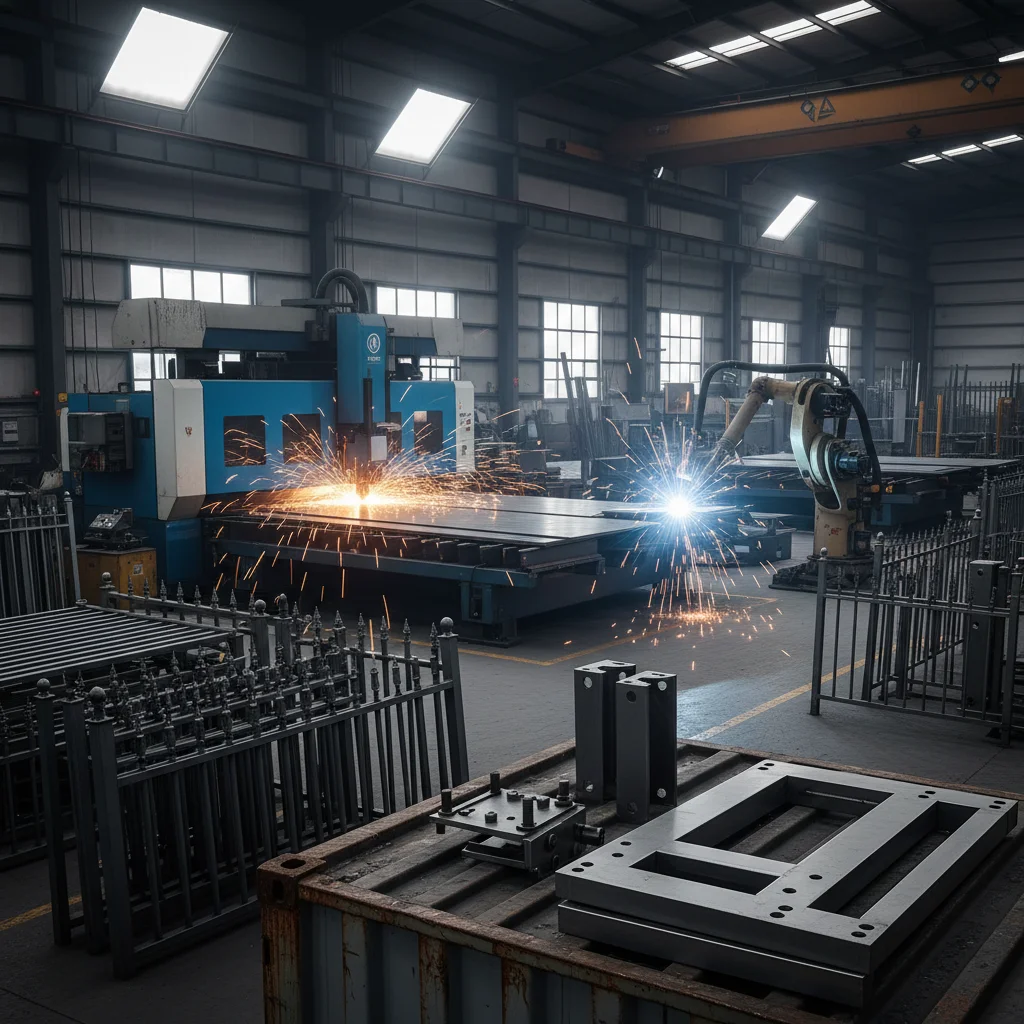
Look, I've spent the last fifteen years knee-deep in dust and concrete, watching fences go up – and sometimes, come down. And let me tell you, a solid fence isn’t just about keeping things in or out. It's about security, property value, a little peace of mind. Lately, I’ve been seeing a lot of demand for reliable, easy-to-work-with panels, and that’s where the 68 Fence Panel really shines. It’s not fancy, it's not trying to be, but it's built to last. We're talking about a panel size that balances cost-effectiveness with manageable handling – something the guys on the ground actually appreciate. It's a workhorse, plain and simple.
What I’ve noticed over the years is folks want a fence that isn't going to be a headache. They don't want to be constantly patching, painting, or replacing sections. They want something they can install quickly and forget about for a long time. The 68 dimension hits that sweet spot. It provides a substantial visual barrier and structural integrity without being unwieldy during installation. We supply a lot of these to developers building new communities, and the feedback is consistently about speed and durability. That saves them money, and ultimately, saves the homeowner money too.
And it’s not just residential. I've seen these panels used on commercial sites, for temporary security during construction, even as sound barriers. The versatility is a big plus. A lot of these “new-fangled” fencing systems look great on paper, but they don’t hold up to real-world abuse. 68 panels? They can take a beating. That's what matters when you're building something meant to endure.
The Core Functionality of 68 Fence Panels
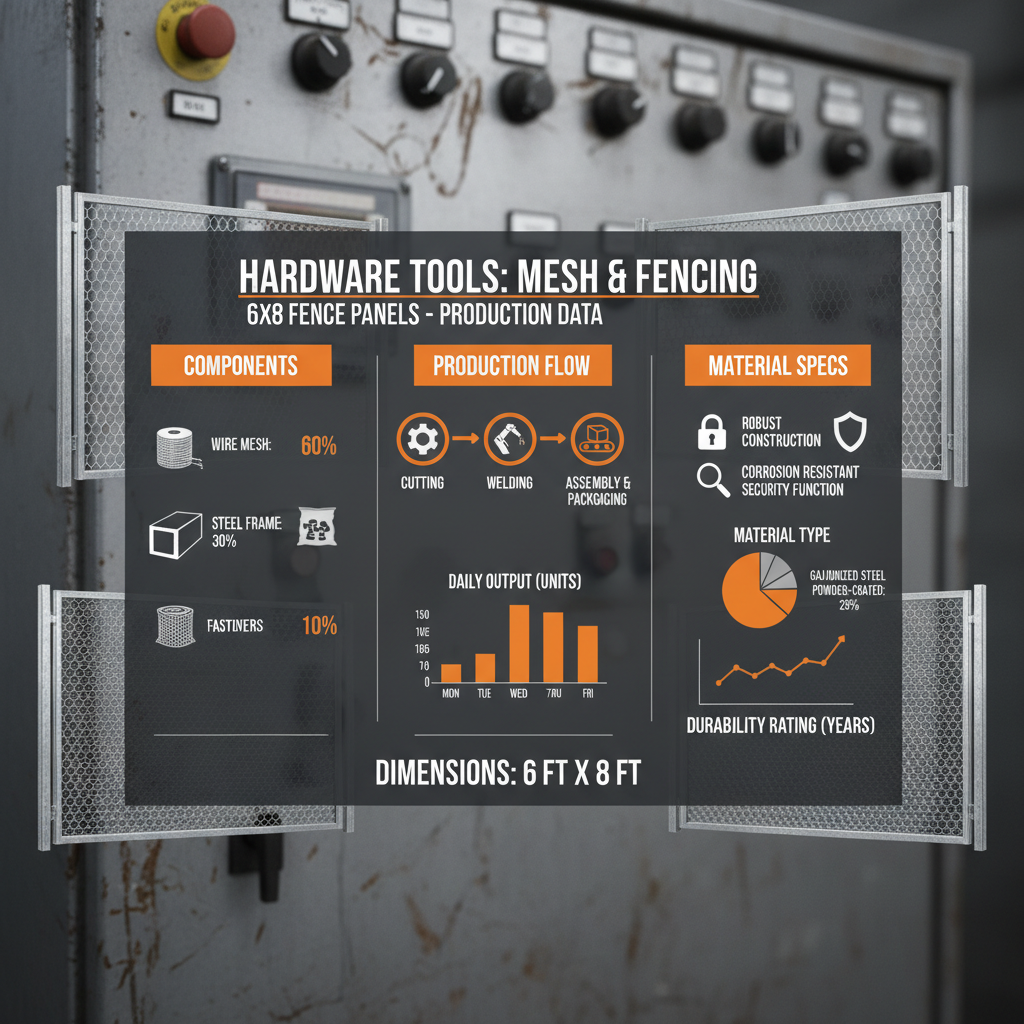
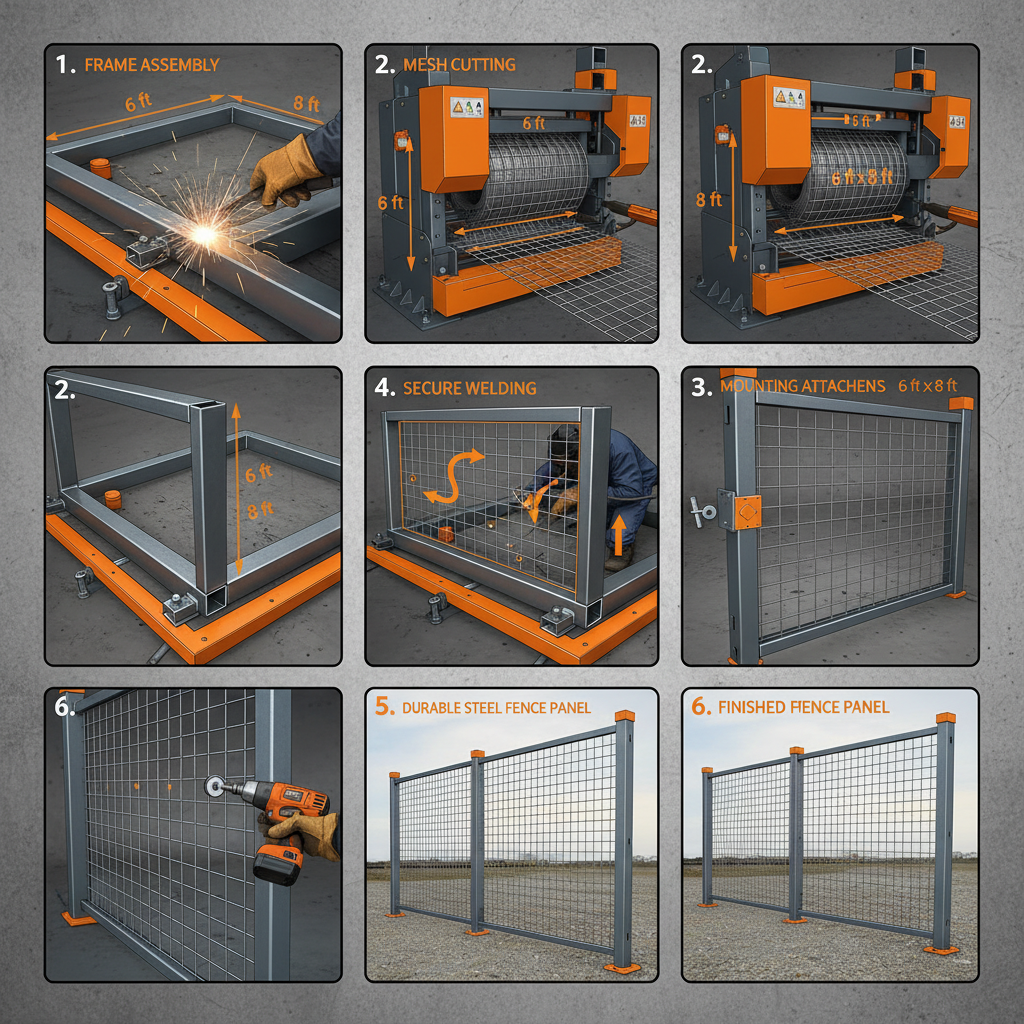
The 68 panel is, at its heart, a reliable barrier. It’s designed for straightforward installation and robust performance. The dimensions themselves – six feet high, eight feet long – are crucial. They strike a balance between minimizing material waste and creating sections that can be handled by a two-person crew without specialized equipment. We often get asked about customizing, and while we can, the standard 68 size minimizes lead times and keeps costs down.
From a material standpoint, these panels can be built with a variety of options – pressure-treated pine, cedar, composite materials. But even with different materials, the core functionality remains the same: to provide a secure, visually appealing, and long-lasting boundary. It’s a simple concept, but simplicity is often its greatest strength. It's about doing one thing well, and the 68 panel does that consistently.
The Global Relevance of 68 Fence Panels
You wouldn't think fences are a global thing, but they are. Everywhere you go, people need to define property lines, secure spaces, and maintain privacy. The 68 dimension isn't some arbitrary measurement; it’s become a sort of industry standard because it's adaptable to various climates and building codes. I've seen these panels used in everything from suburban backyards in the US to livestock enclosures in Australia.
According to some market research I glanced over (numbers can be tricky, you know), the global fencing market is a multi-billion dollar industry, and wood fencing – which the 68 panels often fall into – still represents a significant portion of that. The demand is driven by population growth, urbanization, and increasing focus on security. Plus, as regulations around property ownership become stricter, the need for clearly defined boundaries grows, driving demand for panels like these.
Even in developing nations, the need for secure boundaries is crucial, especially in areas with land disputes or high crime rates. While the materials might vary based on local availability and cost, the concept of a robust, easily installed fence remains universally important. We've started exporting to a few projects in South America, and the feedback is that the 68 size works well with their standard post spacing.
Defining 68 Fence Panels: A Practical Perspective
A 68 Fence Panel, at its most basic, is a prefabricated section of fencing, typically constructed from wood (though composites are becoming more common). It measures six feet in height and eight feet in length. It’s designed to be mounted between fence posts to create a continuous barrier. The key thing to understand is it's prefabricated. That means the pickets, rails, and often even the bracing are already assembled, saving a ton of time on-site.
What separates a good 68 panel from a bad one isn’t just the materials, it’s the construction. You want solid joints, properly treated wood to resist rot and insects, and a design that can withstand wind loads. We’ve seen panels built with cheap glue and flimsy bracing that fall apart after a couple of seasons. A properly built panel will feel substantial – you should be able to lift it without feeling like it's going to flex and break.
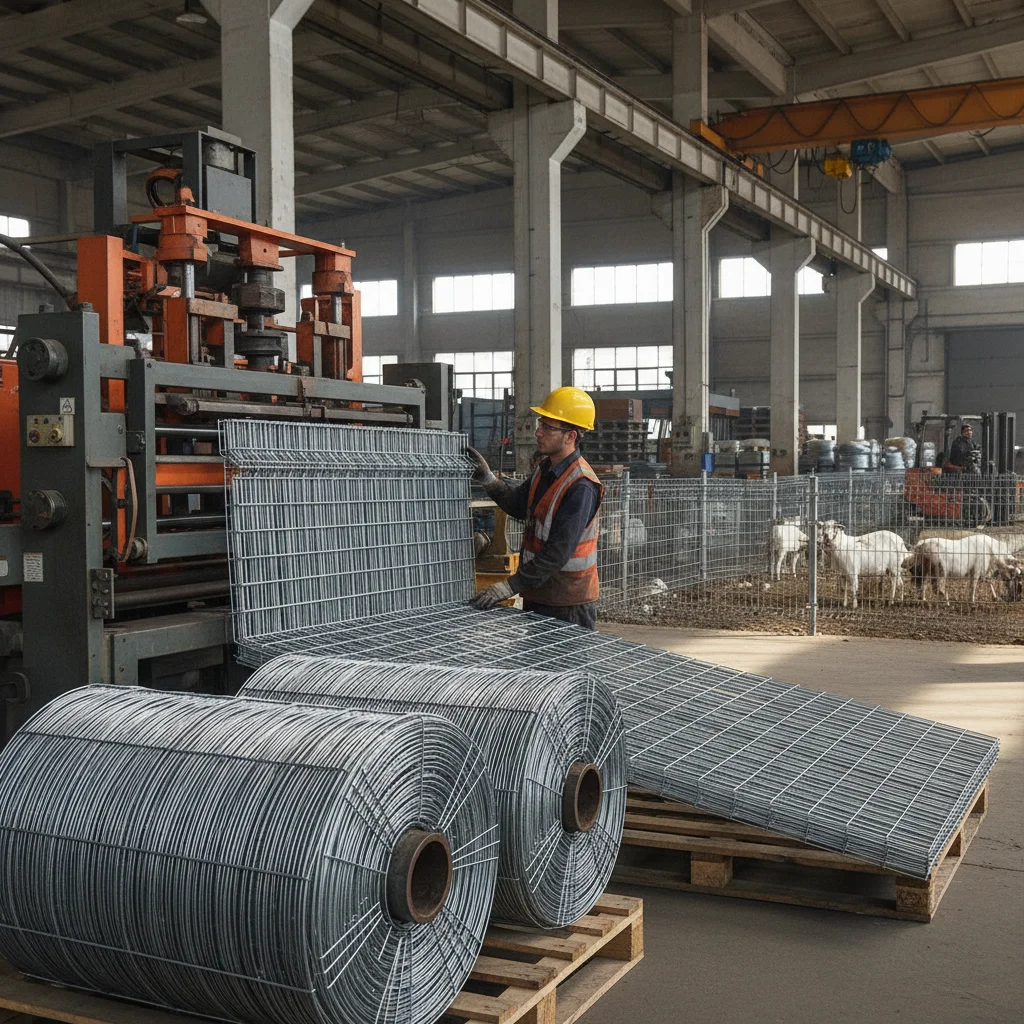
Its connection to modern industry is about efficiency. We’re building faster, and we need materials that can keep up. A crew can install a dozen 68 panels in a day, whereas building a fence from scratch using individual boards takes significantly longer. That translates to lower labor costs and quicker project completion, which is crucial in today’s competitive market.
Key Characteristics of 68 Fence Panels
Let's break down what makes these panels work. First, Durability. A well-constructed panel can withstand years of exposure to the elements. This is directly linked to the quality of the wood treatment and the construction techniques used. We focus on using pressure-treated lumber that's specifically rated for ground contact, even for panels that aren't directly in the ground.
Next, Ease of Installation. This is huge for contractors. The pre-assembled nature of the panels significantly reduces installation time and labor costs. They are designed to fit between standard post spacing, further simplifying the process. Cost-Effectiveness is another key factor. Compared to custom-built fences or more elaborate systems, 68 panels offer a good balance of price and performance. Versatility is also important. They can be painted, stained, or left natural, and they readily accept accessories like lattice tops or post caps.
68 Fence Panel Performance Metrics
Global Applications of 68 Fence Panels
We’ve seen these panels used in a huge range of applications. Residential fencing is the most common, obviously. But they’re also popular for enclosing backyards with swimming pools, providing a safety barrier that meets local regulations. Then there’s commercial use - securing construction sites, defining property lines for businesses, and even creating temporary enclosures for events.
In post-disaster relief operations, these panels can be quickly erected to create secure zones for aid distribution or temporary housing. In remote industrial zones, they provide a cost-effective way to delineate boundaries and control access. I worked on a project in the Canadian oil sands where we used thousands of these panels to create secure perimeters around equipment and work areas. They held up remarkably well in that harsh environment.
The Long-Term Advantages of 68 Fence Panels
The long-term value of a 68 panel isn’t just about avoiding replacement costs. It’s about adding value to a property. A well-maintained fence enhances curb appeal and provides a sense of security that translates directly into increased property value. We've had real estate agents tell us that a good fence is often a selling point for a home.
Beyond the financial benefits, there’s the peace of mind that comes with knowing your property is secure. A solid fence deters trespassers, protects children and pets, and provides a private outdoor space. It's an investment in your family's safety and well-being. And let’s be honest, a good fence just looks good. It creates a sense of order and defines your space.
Future Trends in 68 Fence Panel Technology
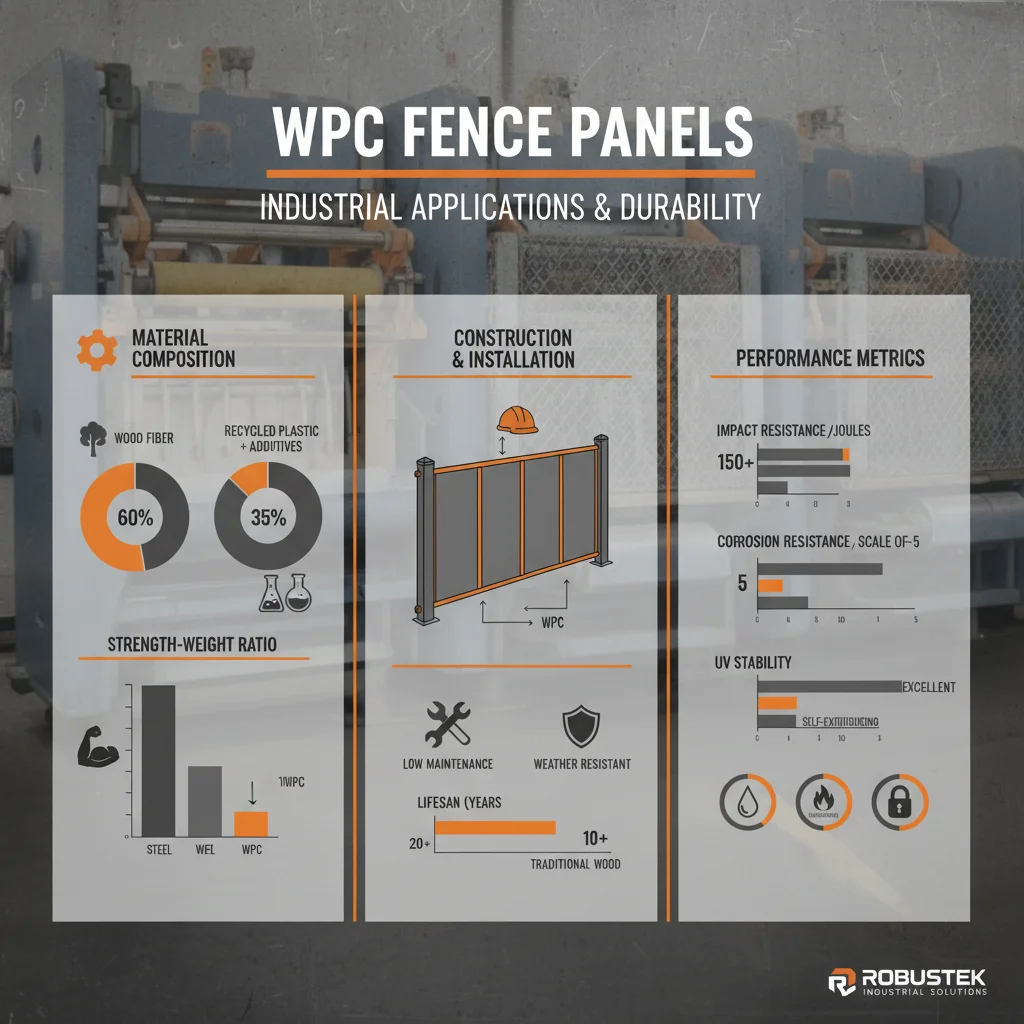
We’re seeing a shift towards more sustainable materials. Composite fencing, made from recycled plastics and wood fibers, is gaining popularity as people look for more environmentally friendly options. These composites are incredibly durable and require minimal maintenance. We’re also exploring new wood treatment technologies that are less toxic and more effective at preventing rot and insect damage.
Digital integration is another area of interest. Some companies are developing "smart fences" with built-in sensors that can detect intrusions or monitor environmental conditions. While that's still in its early stages, I can see a future where fences play a more active role in home security and property management. Automation is also creeping in – we’re looking at ways to streamline the manufacturing process and reduce labor costs.
I think the biggest trend will be a focus on customization. People want fences that reflect their individual style and meet their specific needs. We’re starting to offer more options for picket designs, panel heights, and finishes. The standard 68 will always be a workhorse, but there’s room for innovation and personalization.
Summary of Key 68 Fence Panel Considerations
| Material Quality |
Installation Complexity |
Long-Term Maintenance |
Overall Cost |
| High-grade treated pine: 8/10 |
Relatively simple: 7/10 |
Low, occasional staining: 9/10 |
$15-$25 per panel |
| Cedar: 9/10 |
Similar to pine: 7/10 |
Low, natural resistance: 10/10 |
$20-$35 per panel |
| Composite: 7/10 |
Slightly more complex: 6/10 |
Very low, minimal maintenance: 10/10 |
$30-$50 per panel |
| Low-grade pine: 4/10 |
Same as higher grades: 7/10 |
High, frequent treatment: 3/10 |
$10-$15 per panel |
| Pressure-treated and coated: 9/10 |
Simple, standardized: 8/10 |
Minimal, periodic check: 8/10 |
$18-$28 per panel |
| Recycled materials: 6/10 |
Moderate complexity: 5/10 |
Low, durable & sustainable: 7/10 |
$25-$40 per panel |
FAQS
For humid climates, you really want to lean towards cedar or a high-quality pressure-treated pine. Cedar has natural oils that resist rot and insects. If you go with pressure-treated, make sure it's rated for ground contact, even if it's not directly in the ground. The extra treatment will help it withstand the moisture. Avoid using non-treated wood in a humid environment – it won’t last. Expect to spend a little more upfront for the better wood, but it’ll save you headaches down the road.
It depends on the climate and the quality of the stain or sealant you use, but generally, I recommend staining or sealing your pine fence panels every 2-3 years. In harsh climates with a lot of sun and rain, you might need to do it annually. A good quality stain with UV protection will help prevent the wood from fading and cracking. Remember to prep the wood properly before staining - clean it and let it dry completely.
That's a good question. Composite panels are definitely more expensive upfront, but they can be worth it in the long run, especially if you’re looking for low maintenance. They won’t rot, warp, or splinter like wood, and they don’t require staining or sealing. If you’re willing to invest a bit more upfront, you’ll save a lot of time and money on maintenance over the life of the fence. Plus, they're a more sustainable option.
Typically, you'll want to space your posts 8 feet apart to align with the length of the 68 panels. However, check your local building codes, as some areas may require different spacing. It's also a good idea to consider the wind load in your area – if you live in a windy region, you might want to reduce the post spacing to 6 feet for added stability. Always make sure your posts are set properly in concrete for a strong foundation.
Minor damage, like a broken picket, can often be repaired by simply replacing the picket. For more extensive damage, like a broken rail, you might need to replace the entire panel. Make sure to use the same type of wood or composite material as the original panel. If the post is damaged, you'll need to replace that as well, which is a more involved process.
Several things help. First, proper post installation is crucial - deep setting in concrete is essential. Second, ensure your panels are securely attached to the posts with appropriate hardware. Consider adding bracing between the posts for extra support, especially in exposed areas. Also, make sure your fence doesn't create a "sail" effect by leaving gaps at the bottom – allowing wind to pass through reduces the load on the fence.
Conclusion
Ultimately, the 68 Fence Panel remains a stalwart in the fencing world for a reason. It's a practical, cost-effective, and durable solution that meets a wide range of needs. From securing residential properties to defining boundaries in industrial settings, its versatility and ease of installation make it a reliable choice for homeowners and contractors alike. It’s not a flashy product, but it gets the job done, and that’s what matters.
Looking ahead, the future of 68 panels will likely involve more sustainable materials and smarter technologies. We’ll see continued innovation in wood treatments and composite materials, as well as the integration of sensors and automation. But the core principle – providing a secure and reliable barrier – will remain unchanged. If you’re considering a fence, don’t underestimate the value of a well-built 68 panel. For quality 68 Fence Panels, visit our website: www.sdfencecompany.com.