Hit enter to search or ESC to close
Investing in Robust Goat Fence Panels for Enhanced Livestock Management
Goat Fence Panels – it’s more than just keeping livestock in or predators out. After years on site, watching crews wrestle with subpar fencing, I can tell you a solid fence is the backbone of a successful operation. It impacts everything from animal well-being to operational efficiency and even your bottom line. These aren’t the flimsy, wire-and-post fences of the past. Modern Goat Fence Panels are engineered for longevity, security, and a surprising amount of versatility. We're talking about a significant investment, and getting it right from the start is crucial.
I’ve seen firsthand how a poorly designed or constructed fence can lead to escapes, injuries, and constant maintenance headaches. It’s not just about the initial cost; it's about the total cost of ownership. That's where the shift to pre-fabricated, heavy-duty Goat Fence Panels really shines. They reduce install time, minimize the need for constant repairs, and provide a level of security that traditional fencing simply can’t match. You're saving time, money, and a whole lot of stress.
From small hobby farms to large-scale agricultural operations, the demand for robust and reliable fencing solutions is constantly growing. Global livestock production is projected to increase significantly in the coming decades – according to the UN, food production needs to increase by 70% by 2050 to feed a growing population. This puts a huge strain on existing infrastructure, and fencing is a critical part of that. Investing in quality Goat Fence Panels isn't just smart business, it's a necessity for meeting future demands.
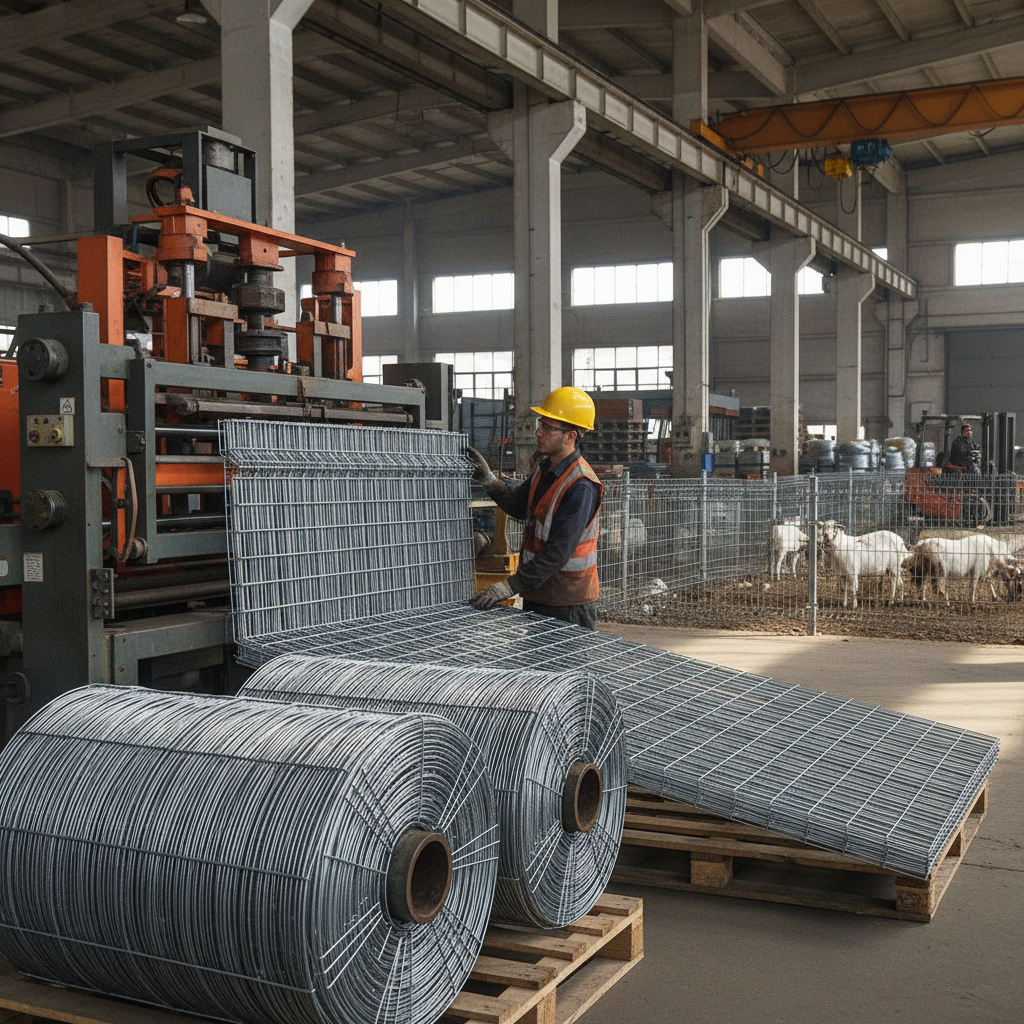
Look, I've spent enough time wrestling with barbed wire to last a lifetime. A good Goat Fence Panel isn't just about containment; it's about creating a safe and productive environment for your animals, and a secure perimeter for your property. It’s about reducing stress for both the animals and the operator. It's about minimizing escapes which, trust me, are never fun, especially with goats. They’re escape artists, plain and simple.
We’ve seen a surge in demand for these panels, and it’s not just from traditional farmers. Homesteaders, small acreage owners, and even wildlife management facilities are recognizing the value of a well-constructed, durable fence. It’s an investment in peace of mind and long-term sustainability. And with increasing pressure on land use, efficient and secure fencing is becoming more critical than ever.
Simply put, Goat Fence Panels are pre-fabricated sections of fencing, typically constructed from heavy-gauge steel wire woven into a mesh pattern. They're designed to provide a robust and secure barrier that’s specifically suited to containing goats – notoriously challenging animals to keep contained. These panels differ significantly from traditional woven wire or barbed wire fencing in terms of strength, durability, and ease of installation. Goat Fence Panels are designed to withstand the constant pushing, rubbing, and climbing that goats are known for.
They bridge the gap between the cost-effectiveness of traditional fencing and the superior performance of more elaborate, permanent solutions. They're a practical solution for a wide range of applications, from small hobby farms to large-scale commercial operations. It's about providing a reliable barrier without breaking the bank or requiring constant maintenance.
In the context of modern agriculture, and even conservation efforts, Goat Fence Panels represent a move towards more humane and effective animal management practices. The improved containment reduces stress on the animals, minimizes the risk of injury, and simplifies day-to-day operations.
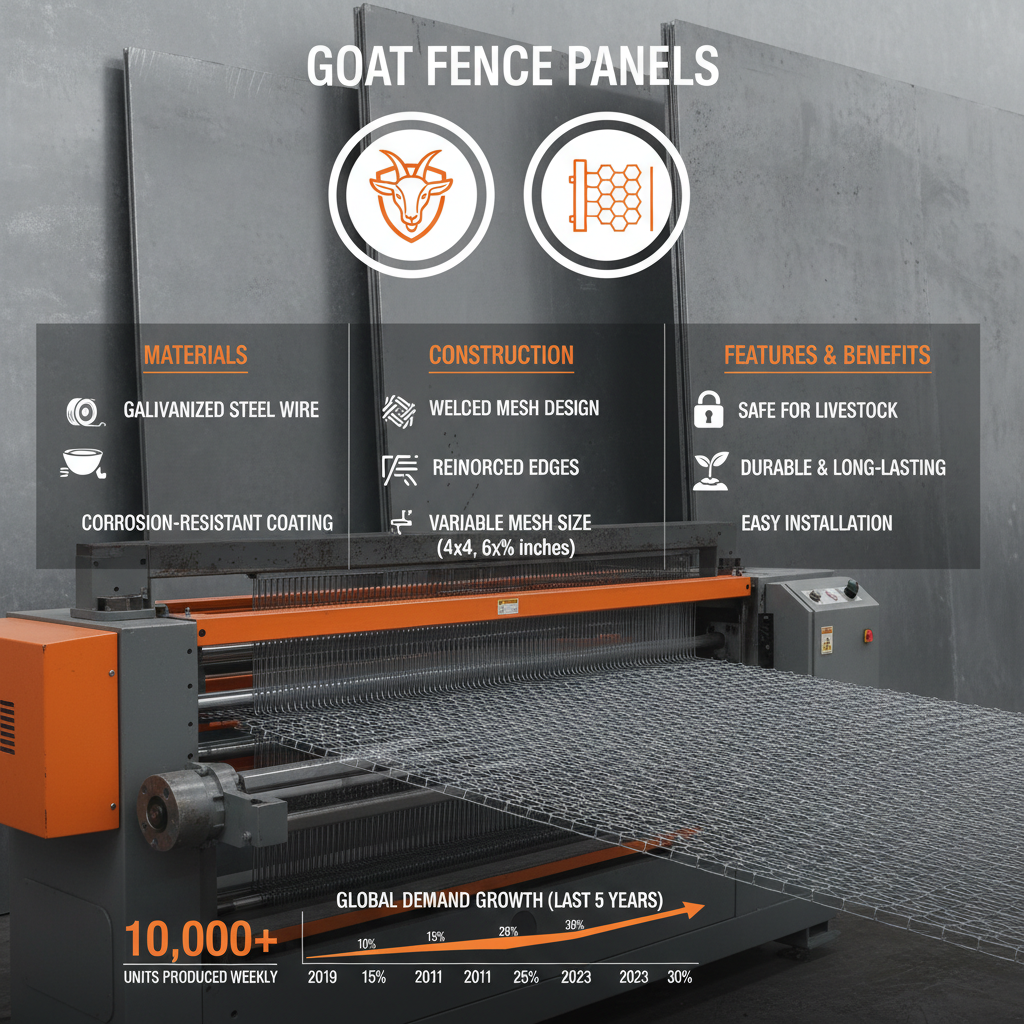
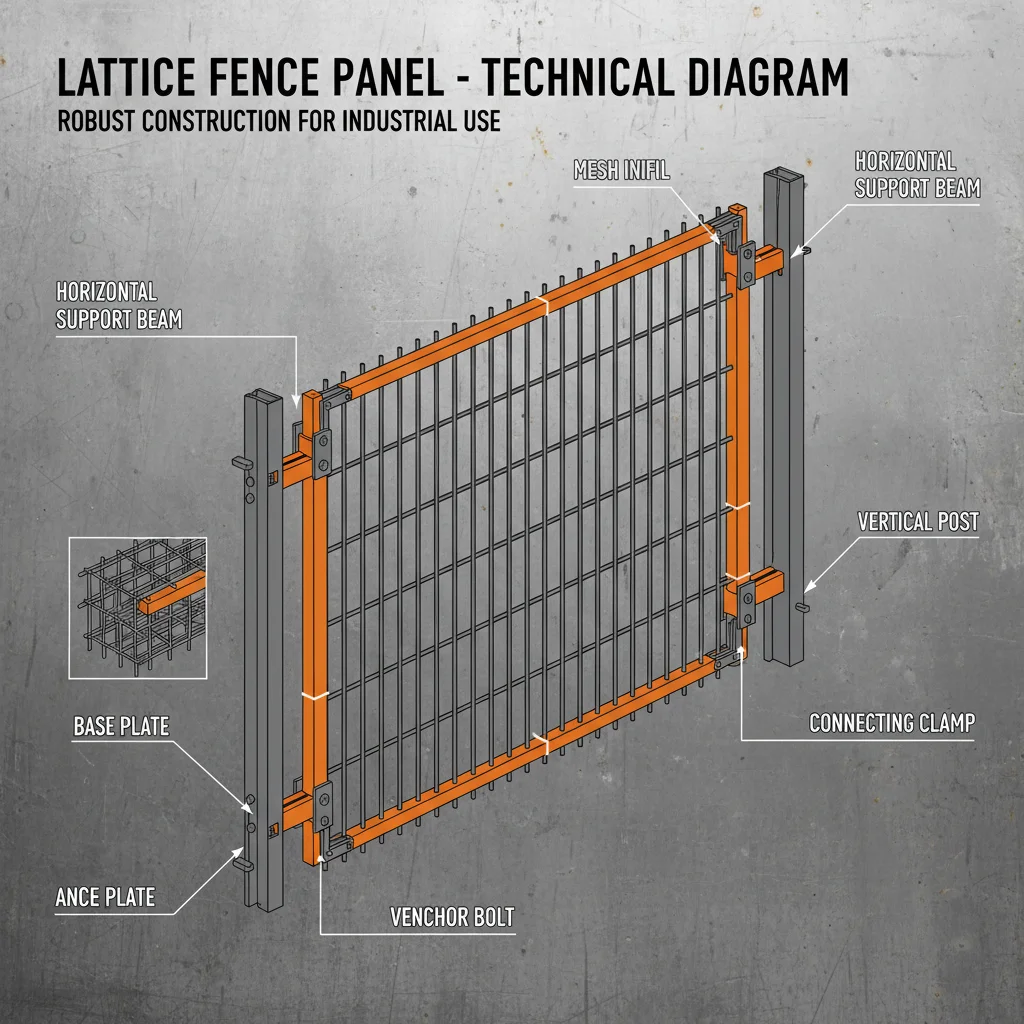
The quality of a Goat Fence Panel boils down to a few key components. First, the steel gauge – you want something heavy-duty, at least 12.5 gauge, and preferably thicker for larger goats or aggressive breeds. The wire’s tensile strength is crucial; it needs to be able to withstand constant pressure without bending or breaking. This is what separates a cheap fence from one that lasts.
The mesh size is equally important. Smaller mesh openings prevent goats from sticking their heads through and getting tangled. A 4”x4” mesh is a good standard, but for smaller kids, you might want to consider a smaller opening. And don’t overlook the vertical stays – these provide additional strength and rigidity to the panel. I’ve seen fences fail because they skimped on the stays.
Finally, the quality of the galvanization or coating is critical for rust prevention. A heavy-duty galvanized finish or a powder coating will significantly extend the lifespan of the fence, especially in harsh weather conditions. We've seen panels with inferior coatings rust through in a matter of years, making them a false economy.
Goat Fence Panels aren’t limited to just goat farms, though they excel there! I've seen them used effectively in a surprising number of applications. Sheep farms benefit immensely, as do alpaca breeders, and even smaller livestock like poultry need these durable panels. They offer a significantly better containment solution than standard chicken wire.
Beyond livestock, these panels are increasingly popular for perimeter security, protecting gardens from deer and other wildlife, and even creating temporary corrals for livestock shows and events. In post-disaster relief operations, they can quickly create secure areas for livestock or temporary shelters. The versatility is a real selling point.
The real value of Goat Fence Panels comes down to long-term cost savings and reduced maintenance. Sure, the upfront cost might be slightly higher than traditional fencing, but you'll save money in the long run by avoiding constant repairs and replacements. This is especially true in areas with harsh weather conditions or challenging terrain.
From a sustainability perspective, a durable fence that lasts for decades reduces the environmental impact associated with frequent replacements. It’s also a benefit to animal welfare, providing a secure and stress-free environment. A happy animal is a productive animal, and a secure perimeter allows you to focus on what matters most: running your operation.
We’re seeing increased demand for panels with integrated features, like electrified options for added security, particularly in areas with predators. There’s also a push towards more eco-friendly coatings and materials, minimizing the environmental impact of fencing. I'm expecting to see more panels incorporating recycled materials in the coming years.
Smart fencing solutions, integrating sensors and remote monitoring capabilities, are also on the horizon. Imagine receiving alerts if a section of the fence is breached, or being able to remotely control electrified sections. That’s the future of fencing, and Goat Fence Panels are well-positioned to integrate these technologies.
Digital tools for fence planning and design are also gaining traction, allowing farmers to accurately estimate material needs and optimize fence layouts for maximum efficiency. It's all about using technology to make farming smarter and more sustainable.
One common challenge is uneven terrain. Properly installing Goat Fence Panels on sloping ground requires careful planning and potentially adjusting post spacing or using stepped installations. It's not a one-size-fits-all approach. Another issue is dealing with rocky soil, which can make post installation difficult. Utilizing hydraulic post drivers or pre-drilling holes can mitigate this.
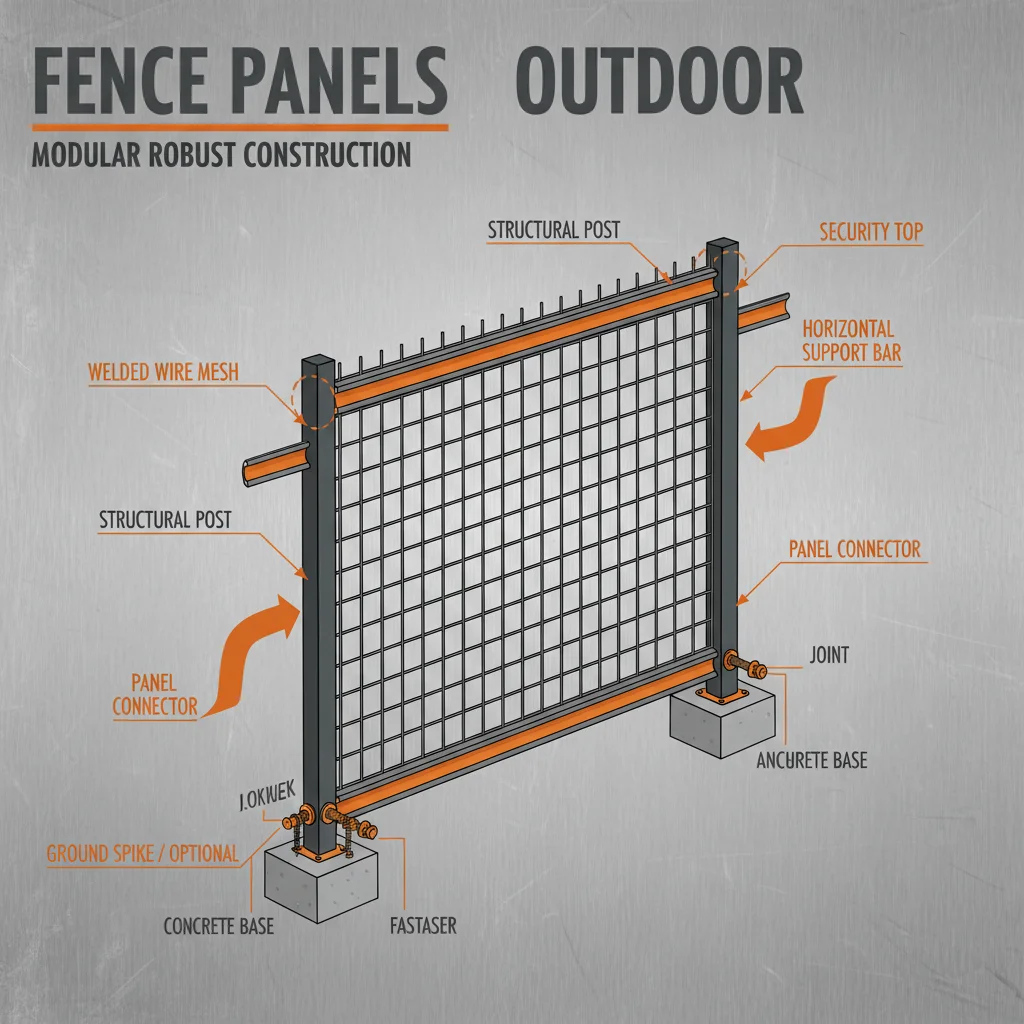
Proper corner bracing is critical for maintaining fence tension. A poorly braced corner will quickly lead to sagging and potential breaches. Investing in quality corner braces and anchors is essential. Finally, gate installation often presents a challenge. Choosing a sturdy gate and ensuring it’s properly aligned and secured is vital for maintaining overall fence integrity.
The key is to plan ahead, invest in quality materials, and don’t hesitate to consult with experienced fencing professionals. A well-installed fence is an investment that will pay dividends for years to come.
| Challenge | Severity (1-10) | Solution | Cost of Solution |
|---|---|---|---|
| Uneven Terrain | 7 | Stepped Installation, Adjusted Post Spacing | $50 - $200 |
| Rocky Soil | 8 | Hydraulic Post Driver, Pre-Drilling | $100 - $500 |
| Poor Corner Bracing | 9 | Quality Corner Braces and Anchors | $75 - $300 |
| Improper Gate Installation | 6 | Sturdy Gate, Precise Alignment | $150 - $400 |
| Material Transport to Remote Sites | 5 | Strategic Material Delivery, Local Sourcing | $50 - $500 (variable) |
| Wildlife Damage (Predators) | 7 | Electrified Fence, Increased Panel Height | $200 - $600 |
With proper installation and maintenance, a high-quality Goat Fence Panel can easily last 20-30 years, even in harsh environments. The key is a robust galvanization or powder coating to prevent rust, and regular inspections to address any damage promptly. We've seen panels still going strong after decades, a testament to their durability. Cheaper panels, unfortunately, often start showing signs of rust and deterioration within 5-10 years.
Installation costs vary significantly depending on factors like terrain, soil conditions, access to the site, and labor rates. However, a reasonable estimate is between $3 to $8 per foot, including materials and labor. It's always best to get quotes from multiple contractors to ensure you’re getting a fair price. Remember, opting for a slightly higher initial investment in quality installation can save you money in the long run.
Yes, absolutely. Goat Fence Panels, especially those with a smaller mesh size, are highly effective at deterring predators. However, for maximum protection, consider adding an electrified wire along the top of the fence. This provides an added deterrent and prevents predators from jumping over or digging under the fence. A well-maintained fence is your first line of defense against predator attacks.
Generally, a post spacing of 8 to 10 feet is recommended for Goat Fence Panels. However, this can vary depending on the terrain and the size of the goats. In areas with uneven ground or strong winds, you may need to reduce the post spacing to provide additional support. Always consult with a fencing professional to determine the optimal post spacing for your specific situation.
Yes, Goat Fence Panels are surprisingly versatile and can be used for temporary fencing applications. You can use portable posts or T-posts to support the panels, making it easy to create temporary paddocks or corrals. This is particularly useful for rotational grazing or for managing livestock during events. Just make sure the posts are securely anchored to prevent the fence from collapsing.
Goats are notorious diggers! To prevent them from going under the fence, consider extending the bottom of the panel with a buried apron of hardware cloth or wire mesh. Burying the bottom 6-12 inches will discourage digging. You can also add a bottom rail to the fence and attach wire mesh to it. Regularly inspect the base of the fence for signs of digging and address any issues promptly.
Goat Fence Panels represent a significant advancement in livestock containment. They provide a durable, secure, and cost-effective solution for a wide range of applications, offering long-term value and peace of mind. From reducing maintenance costs to improving animal welfare, the benefits are clear. The initial investment is a commitment to a system that will function for years, minimizing headaches and maximizing efficiency.
Looking ahead, the future of Goat Fence Panels lies in innovation – integrating smart technologies, utilizing sustainable materials, and optimizing designs for specific needs. By choosing quality panels and employing best practices for installation and maintenance, you’re not just building a fence; you're building a foundation for a successful and sustainable operation. To explore our range of Goat Fence Panels and find the perfect solution for your needs, visit our website: www.sdfencecompany.com.

If you are interested in our products, you can choose to leave your information here, and we will be in touch with you shortly.