Robust Construction Fence Panels for Enhanced Site Security and Project Management

0%

Table of Contents

Construction sites are dynamic, often chaotic environments. Keeping them secure, clearly demarcated, and separate from public access isn’t just about legal compliance – it’s about safety, efficiency, and preventing costly delays. For years, we relied on a patchwork of materials for temporary fencing, from flimsy plastic mesh to cumbersome concrete barriers. But the need for a robust, rapidly deployable, and cost-effective solution pushed the industry towards what we know today as Construction Fence Panels. These aren’t just fences; they’re a crucial component of site management, impacting everything from pedestrian control to material security and even the project’s overall reputation. I've seen firsthand how a well-planned fence line can prevent accidents, streamline logistics, and project an image of professionalism to clients and the surrounding community.

The beauty of modern Construction Fence Panels lies in their versatility. They've moved beyond the basic chain-link options to encompass a wide range of materials – heavy-duty plastic, welded wire, and even composite materials – each designed to address specific site needs. What’s really interesting is how these panels have adapted to address emerging concerns, like noise reduction with specialized acoustic fencing or even visual screening for privacy. I’ve spent countless hours assessing different fence systems, not from an office, but right on the job site, feeling the weight, testing the stability, and observing how crews actually interact with them. That real-world experience is what separates good panels from great ones.

Forget the days of struggling with individual posts and rolls of wire. The pre-fabricated nature of these panels significantly reduces installation time and labor costs. This is huge, especially when you’re up against tight deadlines or facing unexpected weather delays. We’re talking about getting a secure perimeter established in a fraction of the time compared to traditional methods. And because many systems are modular and reusable, they offer a sustainable and economical alternative to disposable fencing solutions. That translates directly into savings for the project owner and a smaller environmental footprint - something more and more clients are demanding.
Construction Fence Panels

The Importance of Construction Fence Panels

Construction Fence Panels

In today’s construction landscape, safety and security are paramount. Construction Fence Panels aren't just about keeping people out – they're about protecting workers, controlling access to hazardous areas, and safeguarding equipment and materials. According to the U.S. Bureau of Labor Statistics, unauthorized access to construction sites contributes to a significant percentage of theft and accidental injuries annually. Properly implemented fencing systems drastically reduce these risks, and increasingly, insurance companies are factoring fencing quality into their risk assessments. It's not an overstatement to say that choosing the right panels can directly impact a project's bottom line and the well-being of everyone involved.

Beyond the immediate safety benefits, well-maintained fencing contributes to a positive public image. A clean, secure site demonstrates professionalism and respect for the surrounding community. This is particularly important for projects in densely populated areas, where public perception can directly influence project approval and ongoing support. I’ve seen projects delayed or even halted due to complaints about unsecured sites and perceived safety hazards. The initial investment in quality Construction Fence Panels pays dividends in terms of public relations and a smoother project execution.

Defining Construction Fence Panels

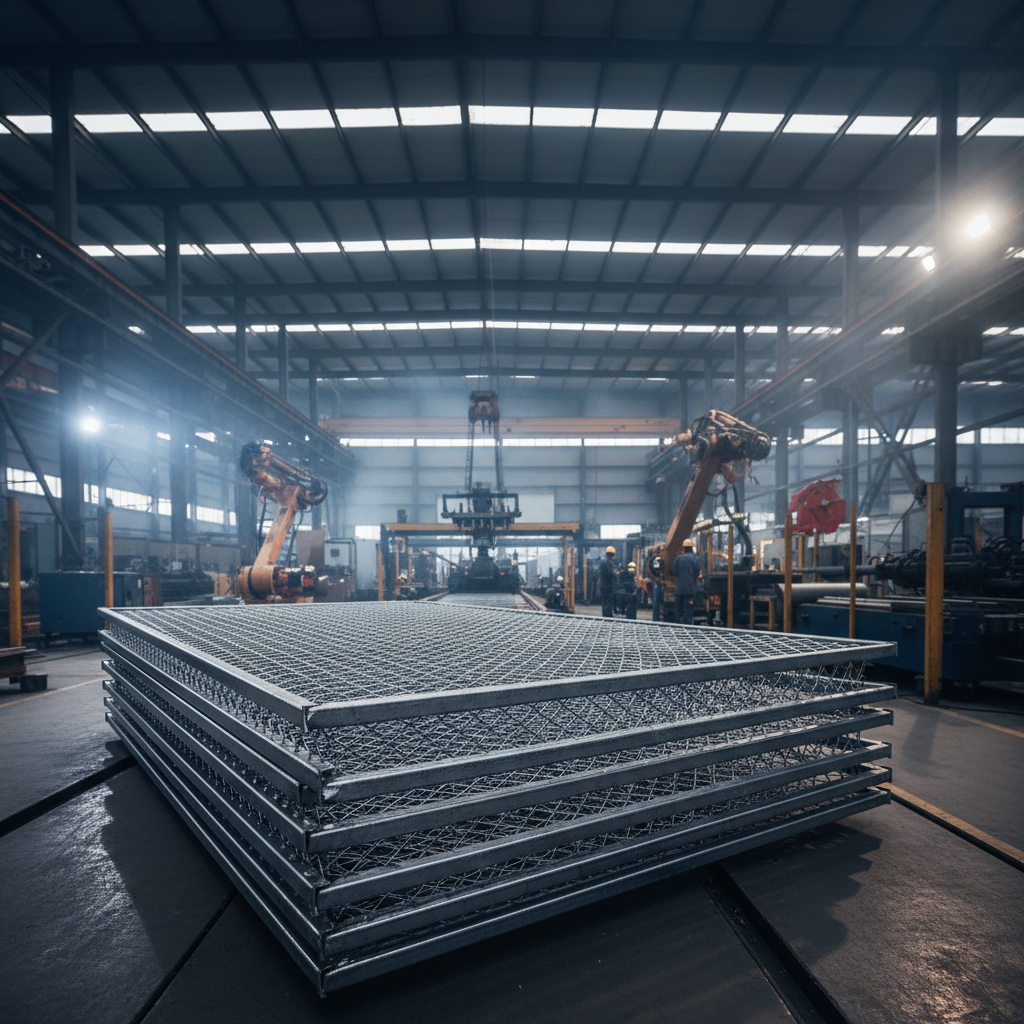
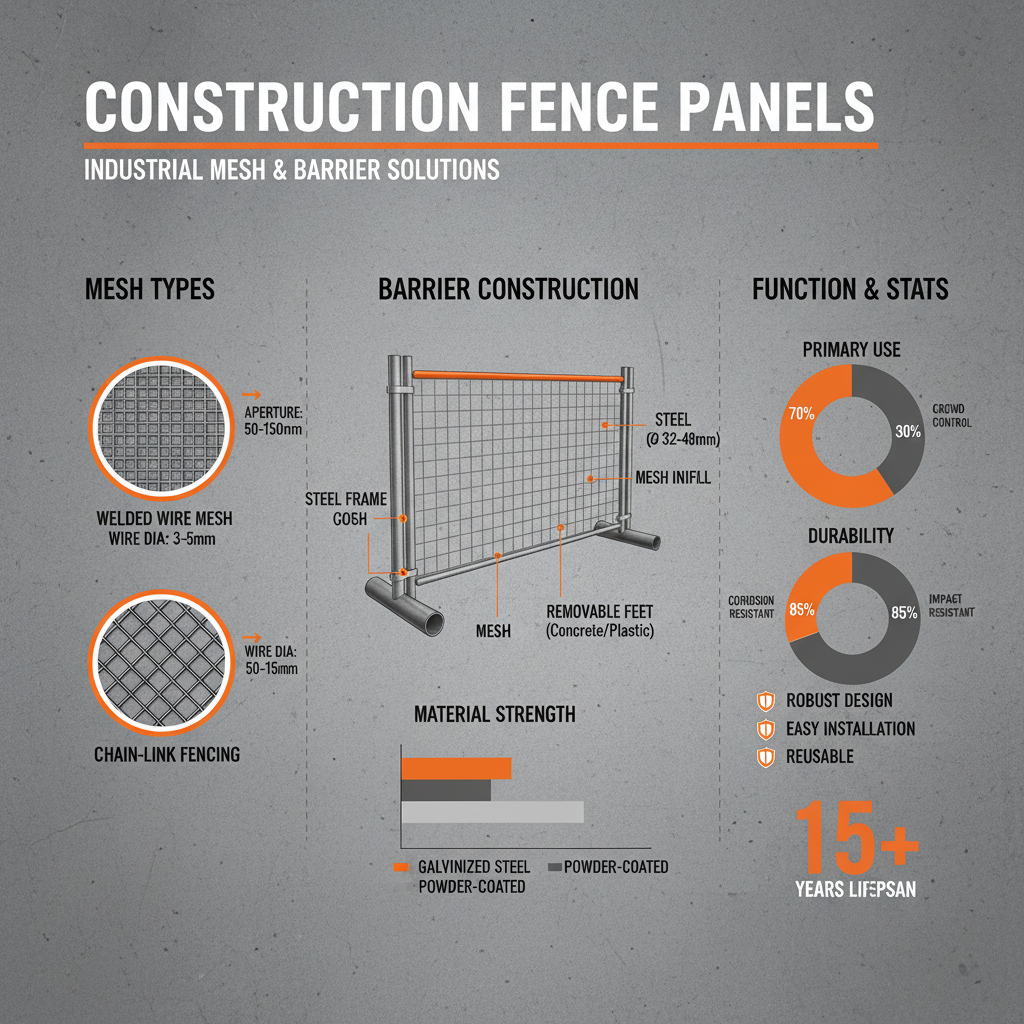
Simply put, Construction Fence Panels are prefabricated sections of fencing specifically designed for temporary use on construction sites. They typically consist of a rigid frame – often steel or aluminum – clad with various materials like chain-link, welded wire, plastic, or composite materials. Unlike traditional fencing that requires individual post installation, panels are designed to connect easily, often with interlocking mechanisms or simple clamps. This modularity is what makes them so efficient to install and dismantle.

Their connection to modern industry stems from the need for faster, more efficient construction processes. As project timelines shrink and labor costs rise, the demand for solutions that streamline site management increases. These panels provide a rapid and reliable method for establishing a secure perimeter, allowing crews to focus on the core construction tasks. They directly address the humanitarian need for safe and secure working environments for construction workers, minimizing risk and promoting a culture of safety.

Furthermore, the evolution of these panels reflects a growing awareness of environmental responsibility. Manufacturers are increasingly incorporating recycled materials and designing systems for reuse, reducing waste and minimizing the environmental impact of construction projects. We're seeing a shift from disposable solutions to more sustainable options, and Construction Fence Panels are at the forefront of this trend.

Key Factors: What Makes a Panel Effective

Durability: This is non-negotiable. Panels need to withstand harsh weather conditions, potential impacts from equipment, and the general wear and tear of a busy construction site. I’ve seen cheap panels buckle under wind loads or get damaged by a stray forklift – a complete waste of money and a potential safety hazard. Look for robust materials and solid construction.

Ease of Installation: Time is money. Panels that are quick and easy to install – requiring minimal tools and manpower – translate directly into cost savings. A good system will have intuitive connecting mechanisms and clear instructions. Avoid systems that require specialized training or heavy machinery for installation.

Stability: A wobbly fence is a useless fence. Panels need to be stable and resistant to tipping, especially on uneven ground. Features like weighted bases, adjustable feet, and bracing options are crucial for maintaining a secure perimeter.
Visibility: Depending on the site requirements, you might need panels that offer varying degrees of visibility. Options range from fully opaque panels for privacy to more open mesh designs that allow for visual monitoring.
Portability: The ability to easily move and relocate panels is a significant advantage, especially on large or complex projects. Lighter-weight materials and compact designs make transportation and handling much easier.

Global Applications and Use Cases

Construction Fence Panels are used worldwide, adapting to a diverse range of projects and environments. In major infrastructure projects – like highway construction or bridge building – they're crucial for separating work zones from public traffic and ensuring worker safety. I’ve seen them deployed extensively in urban centers, effectively managing pedestrian flow around demolition sites and new construction.

They're equally vital in remote industrial zones, securing equipment and materials from theft and unauthorized access. In post-disaster relief operations, they provide a rapid means of establishing temporary shelters and securing aid distribution points. I've personally overseen the deployment of these panels in emergency situations, and the speed of setup is genuinely life-saving.

From large-scale commercial developments to residential construction sites, the applications are virtually limitless. They’re used to delineate property lines, control access to sensitive areas, and even create temporary sound barriers to minimize noise pollution. The versatility of these panels makes them an indispensable tool for construction professionals worldwide.

Construction Fence Panel Performance Metrics

Advantages and Long-Term Value

The benefits of using Construction Fence Panels extend far beyond immediate security. The reduced labor costs associated with quick installation are significant, especially on large-scale projects. Reusability further enhances the economic value, as panels can be transported and redeployed to multiple sites, eliminating the need for constant purchasing.

From a sustainability perspective, the use of durable, reusable panels reduces waste and minimizes the environmental impact of construction activities. This aligns with the growing demand for green building practices and can contribute to LEED certification or other sustainability initiatives. The peace of mind knowing you’ve minimized your project’s environmental footprint is a valuable benefit in itself.

Future Trends & Innovations in Construction Fencing

We’re starting to see smart fencing solutions emerge, integrating sensors and technology for enhanced security and monitoring. Imagine panels equipped with motion detectors, intrusion alarms, and even remote video surveillance capabilities. This kind of technology will revolutionize site security, providing real-time alerts and deterring theft.

Material science is also playing a role, with the development of lighter-weight, high-strength composite materials that offer superior durability and weather resistance. We're also seeing a push towards modular systems that can be easily customized to meet specific site needs, including integrated noise barriers, wind screens, and even green walls.

Challenges and Solutions with Construction Fence Panels

One common challenge is dealing with uneven terrain. Standard panels often struggle to maintain stability on sloped or irregular surfaces. The solution lies in utilizing adjustable base plates or bracing systems designed to compensate for uneven ground. Proper site preparation is also crucial.

Another issue is preventing panels from being moved or tampered with. Secure locking mechanisms, reinforced connections, and regular inspections are essential to deter unauthorized access. Integrating security cameras and lighting can also provide an additional layer of protection.

Finally, proper storage and maintenance are vital for maximizing the lifespan of the panels. Storing them properly when not in use – protecting them from the elements – and regularly inspecting them for damage will prevent costly replacements and ensure long-term value.

Summary of Construction Fence Panel Solutions

Challenge Solution Type Implementation Cost (1-10) Effectiveness (1-10)
Uneven Terrain Adjustable Bases 4 9
Panel Tampering Secure Locking Mechanisms 6 8
Wind Load Resistance Reinforced Bracing 5 7
Material Degradation Protective Coatings 3 6
Theft Prevention Security Cameras 8 9
Long-term Storage Covered Storage Facility 7 7

FAQS

What is the typical lifespan of Construction Fence Panels?

The lifespan of Construction Fence Panels varies greatly depending on the material and environmental conditions. Galvanized steel panels can last for many years with proper maintenance, while plastic panels might have a shorter lifespan, typically 3-5 years. Factors like UV exposure, weather severity, and the level of handling all contribute to the panels’ longevity. Regular inspection and cleaning are key to maximizing their useful life.

Are Construction Fence Panels easy to install yourself, or do I need a professional?

Most Construction Fence Panels are designed for relatively easy self-installation. However, the complexity can vary depending on the type of panel and site conditions. If you're dealing with uneven terrain, large quantities of panels, or require a particularly secure installation, it’s best to consult with a professional fencing contractor. They have the experience and equipment to ensure a safe and effective installation.

What are the common materials used in Construction Fence Panels?

Common materials include chain-link, welded wire, high-density polyethylene (HDPE) plastic, and steel. Chain-link is a traditional, cost-effective option, while welded wire offers greater rigidity and security. HDPE plastic is lightweight and durable, making it ideal for temporary fencing. Steel panels provide maximum strength and security, often with a galvanized or powder-coated finish for corrosion resistance.

How can I ensure the security of Construction Fence Panels against theft or vandalism?

To deter theft and vandalism, consider using tamper-resistant fasteners, reinforcing the panel connections, and installing security cameras or lighting. Regularly inspect the fencing for any signs of damage or tampering. In high-risk areas, you may also want to consider hiring security personnel to patrol the site. Proper signage indicating "No Trespassing" can also serve as a deterrent.

What are the cost considerations for Construction Fence Panels?

The cost of Construction Fence Panels varies depending on the material, size, and quantity. Generally, plastic panels are the most affordable, followed by chain-link and then steel. Consider not only the initial purchase price but also the costs associated with installation, maintenance, and potential replacement. Renting panels can be a cost-effective option for short-term projects.

Are there eco-friendly Construction Fence Panel options available?

Yes, an increasing number of manufacturers are offering eco-friendly Construction Fence Panels made from recycled materials. HDPE plastic panels are often made from post-consumer recycled plastics, reducing landfill waste. Choosing reusable panels over disposable options also contributes to a more sustainable construction process. Look for products with environmental certifications to ensure their eco-friendliness.

Conclusion

Construction Fence Panels have evolved from simple barriers to essential components of modern site management. They deliver not just security, but also efficiency, cost savings, and a commitment to safety. Understanding the key factors – durability, ease of installation, and adaptability – is crucial for selecting the right panels for any project, and these insights allow you to minimize risks, streamline operations, and project an image of professionalism.

Looking ahead, innovation in materials and smart technology will continue to reshape the industry. By embracing these advancements, construction professionals can further enhance site security, improve efficiency, and create safer, more sustainable working environments. For reliable and quality Construction Fence Panels, explore the solutions available at Construction Fence Panels.

Robert Miller

Robert Miller

Robert Miller serves as the North American Sales Manager for S D Company, bringing over 15 years of experience in the fencing and building materials industry. He's focused on expanding S D’s reach within the US market, particularly in the agricultural and residential sectors. Robert is passionate about delivering cost-effective,
Previous Investing in Robust Goat Fence Panels for Enhanced Livestock Management
Next Comprehensive Guide to Livestock Fence Panel Systems and Agricultural Applications

If you are interested in our products, you can choose to leave your information here, and we will be in touch with you shortly.