Livestock Fence Panel systems are integral to modern agricultural practices, providing secure containment for animals, protecting land from intrusion, and contributing significantly to efficient farm management. Globally, the demand for robust and reliable fencing solutions continues to rise alongside increasing livestock populations and a greater emphasis on food security. These panels are not merely barriers; they represent investments in animal welfare, operational efficiency, and long-term agricultural sustainability.
The market for livestock fencing is driven by factors such as the growing demand for meat and dairy products, the increasing adoption of intensive farming practices, and the need to prevent livestock losses due to theft or predation. Developing nations are experiencing rapid agricultural expansion, further fueling this demand. Understanding the nuances of Livestock Fence Panel construction, materials, and installation is crucial for maximizing its effectiveness and longevity.
This exploration will delve into the core aspects of Livestock Fence Panel, examining their design, applications, advantages, future trends, and potential challenges, providing a comprehensive overview for farmers, ranchers, and industry professionals alike.
The Significance of Livestock Fence Panel in Modern Agriculture
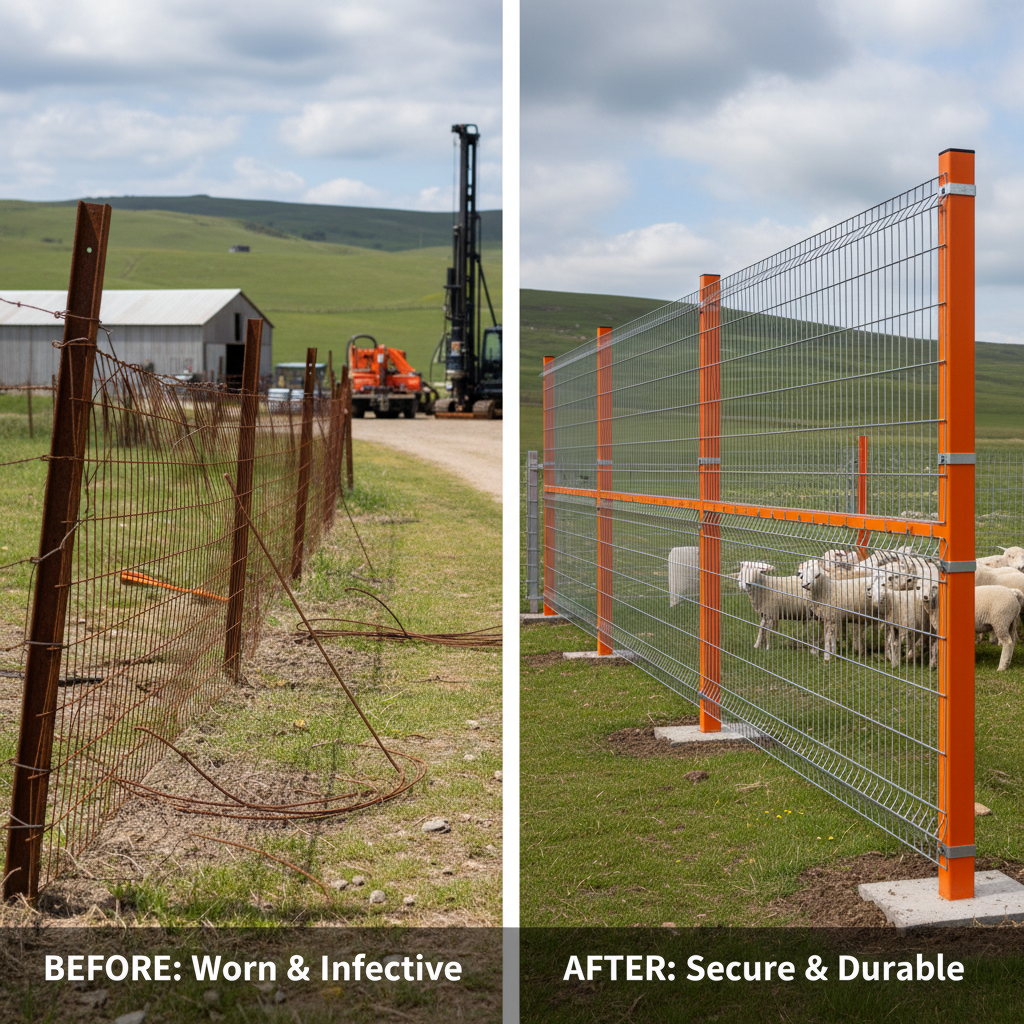
Livestock Fence Panel play a critical role in supporting efficient and sustainable agricultural operations. They facilitate rotational grazing, optimize land use, and minimize livestock losses, ultimately enhancing productivity and profitability for farmers. Properly designed and installed panels significantly contribute to animal welfare by preventing escapes and reducing the risk of injury.
The implementation of robust fencing solutions reduces the potential for conflicts between livestock and neighboring properties or wildlife, safeguarding both agricultural investments and the surrounding ecosystem. This containment is pivotal for responsible land management and the preservation of biodiversity.
Defining Livestock Fence Panel: A Comprehensive Overview
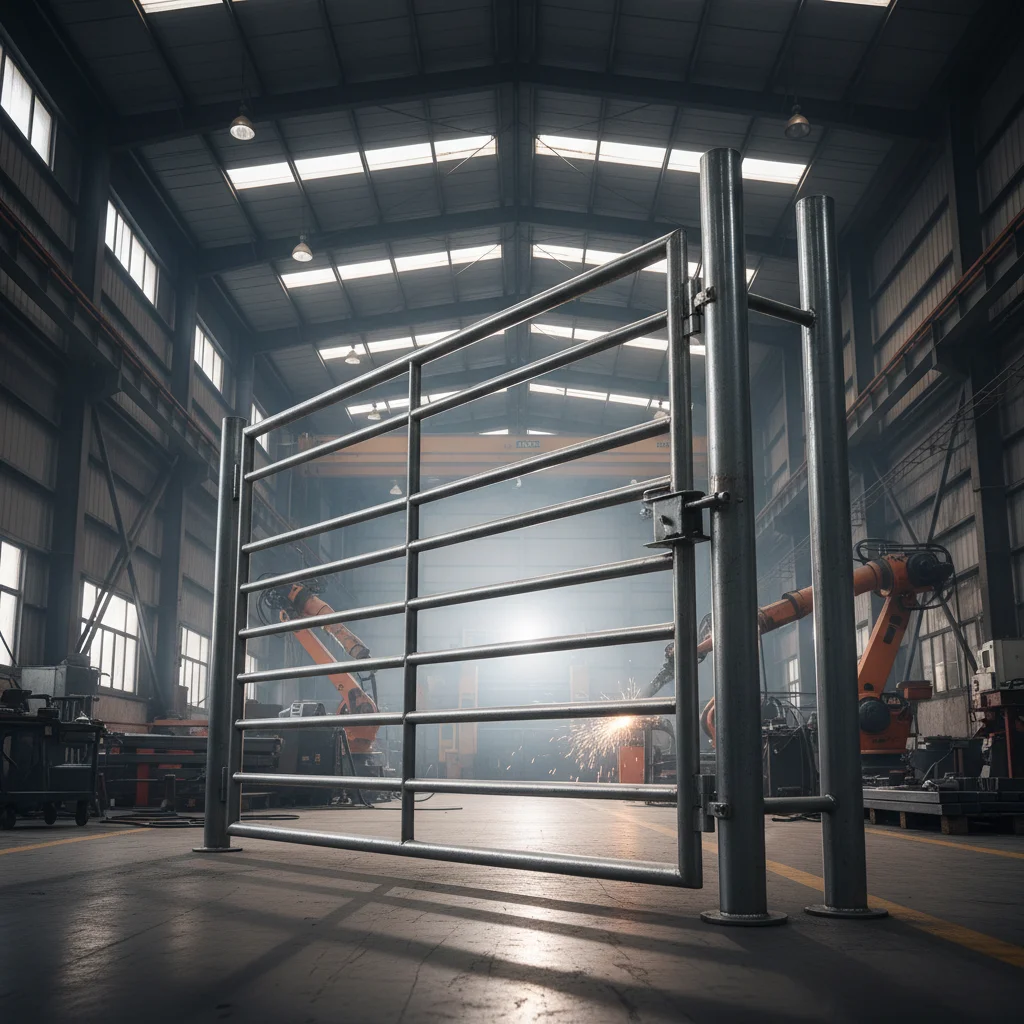
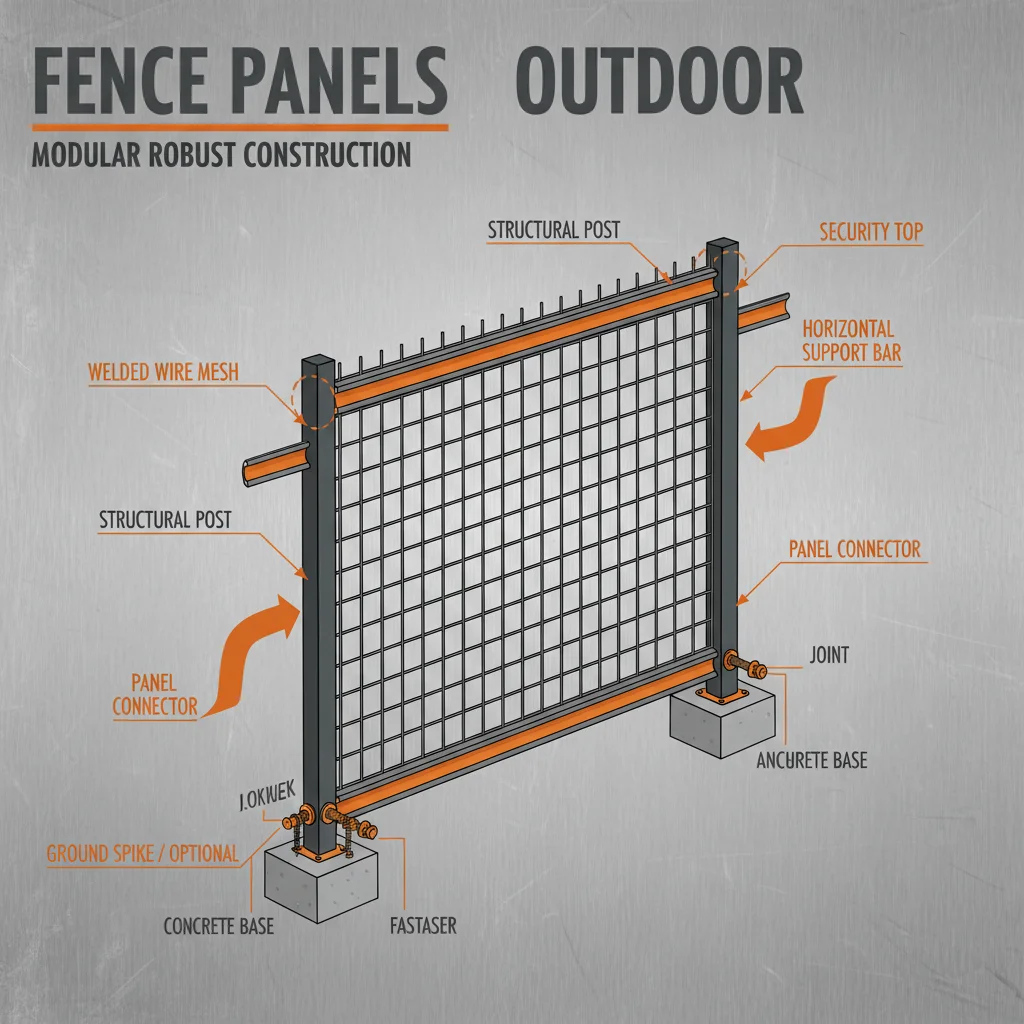
A Livestock Fence Panel is a prefabricated section of fencing, typically constructed from welded wire mesh or steel rails, designed specifically for containing livestock. These panels offer a durable, secure, and cost-effective alternative to traditional fencing methods like barbed wire or electric fences. They are available in various heights, lengths, and configurations to accommodate different animal types and terrain conditions.
Unlike traditional fencing, panels require minimal post-and-wire installation, reducing labor costs and installation time. The standardized design allows for easy expansion or modification of existing fencing systems. Their robust construction provides a higher level of security, minimizing the risk of animal escape and protecting against potential predators.
The modern Livestock Fence Panel directly addresses the challenges of efficient farm management, animal welfare, and land stewardship. They are an essential component of responsible agricultural practices, providing a safe and controlled environment for livestock while minimizing environmental impact.
Core Components and Characteristics of Livestock Fence Panel
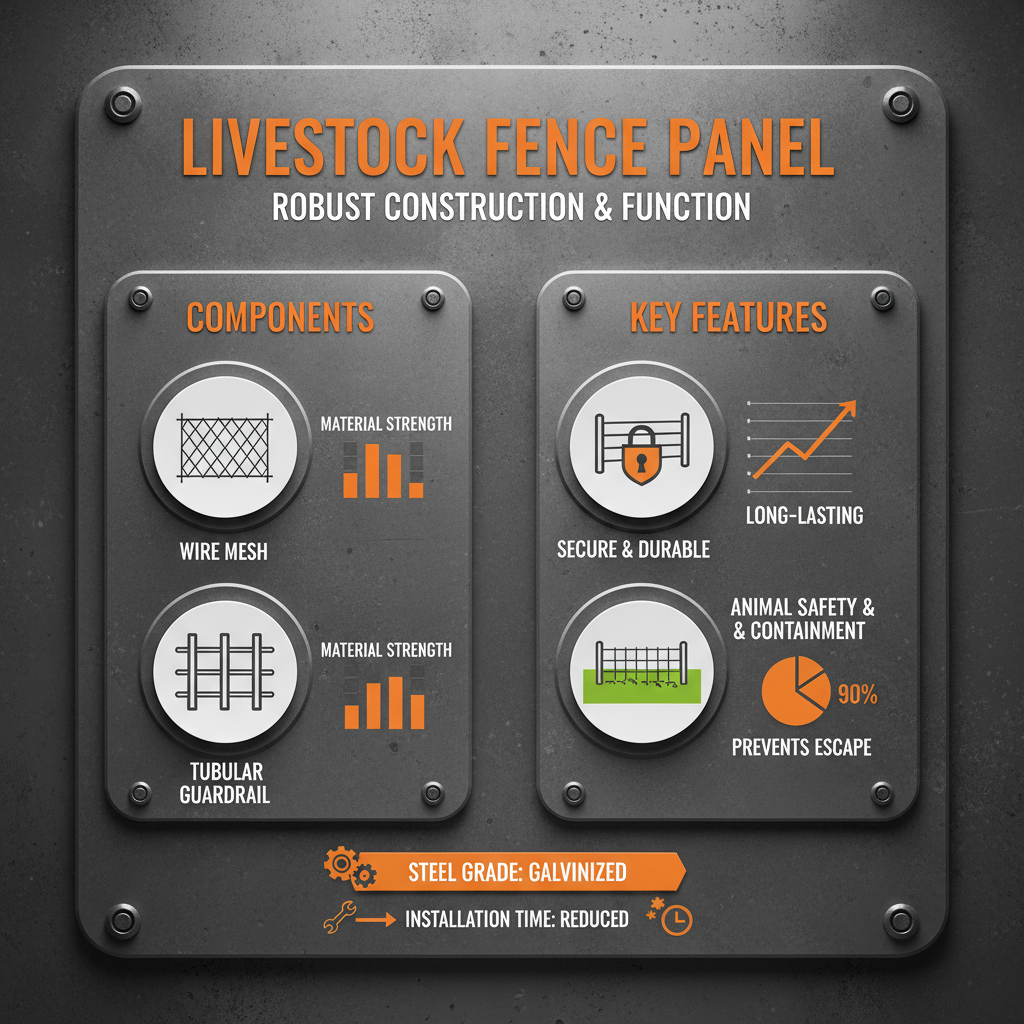
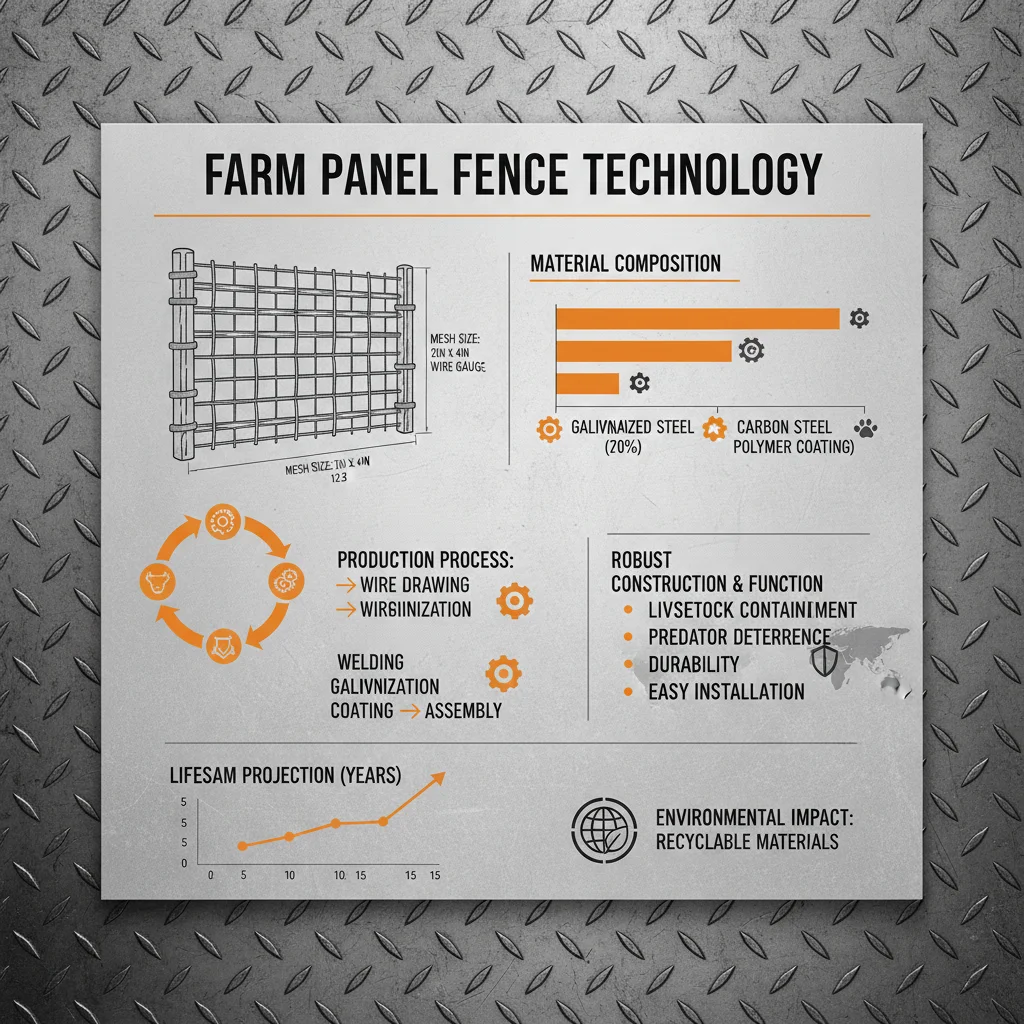
The fundamental components of a Livestock Fence Panel include the wire mesh or rails, the supporting posts, and the connecting hardware. The wire gauge and mesh spacing are crucial factors determining the panel's strength and ability to contain different animal sizes. Steel posts provide structural support, while clips, brackets, and tension wires ensure the panel remains securely in place.
Key characteristics of high-quality Livestock Fence Panel include corrosion resistance (often achieved through galvanization or powder coating), structural integrity, and ease of installation. Panels should be able to withstand the weight and impact of livestock without bending or breaking. Properly constructed panels minimize the need for frequent repairs or replacements, offering long-term value.
The overall design of a Livestock Fence Panel also considers factors such as animal behavior and potential escape routes. Panels designed for sheep or goats, for example, will have smaller mesh spacing than those designed for cattle. Selecting the right panel configuration is vital for ensuring effective containment and preventing animal stress or injury.
Key Factors Influencing the Performance of Livestock Fence Panel
Several critical factors impact the performance and longevity of Livestock Fence Panel installations. Post spacing is paramount; excessively wide spacing can compromise the panel's structural integrity. Soil type also influences post stability; softer soils may require larger or deeper-set posts.
Proper tensioning of the panels is essential to prevent sagging and maintain a secure barrier. Regularly inspecting and tightening tension wires or adjusting clips is crucial for long-term performance. Furthermore, the quality of the materials used directly affects the panel's resistance to corrosion, weathering, and animal damage.
Livestock Fence Panel Performance Based on Installation Method
Global Applications and Use Cases of Livestock Fence Panel
Livestock Fence Panel are utilized across a broad spectrum of agricultural settings worldwide. In North America, they are commonly employed in cattle ranches, horse farms, and sheep pastures. In Australia, they are integral to managing large grazing areas and protecting livestock from predators like dingoes.
In Europe, the demand for high-quality Livestock Fence Panel is driven by the increasing emphasis on animal welfare and sustainable farming practices. Developing nations in Africa and Asia are increasingly adopting panel fencing to improve livestock management and enhance agricultural productivity. In post-disaster relief operations, these panels can be rapidly deployed to create temporary enclosures for livestock.
Advantages and Long-Term Value of Livestock Fence Panel
The advantages of Livestock Fence Panel extend beyond simple containment. They offer significant cost savings over time due to reduced maintenance and repair requirements. Their durability minimizes the need for frequent replacements, contributing to long-term economic benefits. Furthermore, the ease of installation translates to lower labor costs.
Livestock Fence Panel enhance animal welfare by providing a safe and secure environment, reducing stress and preventing injuries. Their consistent construction promotes a sense of security for livestock, ultimately contributing to improved productivity. Investing in high-quality fencing demonstrates a commitment to responsible animal husbandry and sustainable farming practices.
Future Trends and Innovations in Livestock Fence Panel Technology
The future of Livestock Fence Panel is poised for innovation, driven by advancements in materials science and manufacturing techniques. Research is focused on developing panels with even greater corrosion resistance, enhanced structural integrity, and improved animal welfare features. Smart fencing solutions, incorporating sensors and monitoring systems, are also gaining traction.
The integration of digital technology, such as remote monitoring and automated gate controls, will further streamline farm management and enhance operational efficiency. Sustainable materials, like recycled plastics and bio-based polymers, are being explored as alternatives to traditional steel and wire. These advancements are aimed at creating fencing solutions that are not only more effective but also more environmentally friendly.
The adoption of precision agriculture principles will drive demand for fencing systems that can be tailored to specific livestock needs and terrain conditions. Expect to see more customizable panel designs and installation methods designed to optimize resource utilization and minimize environmental impact.
Summary of Key Factors Affecting Livestock Fence Panel Performance
| Material Quality |
Installation Technique |
Environmental Factors |
Maintenance Schedule |
| High-grade steel/wire resists corrosion and increases longevity. |
Proper post spacing and tensioning ensure structural stability. |
Exposure to extreme weather can accelerate material degradation. |
Regular inspections and repairs prevent minor issues from escalating. |
| Galvanization/powder coating provides enhanced corrosion protection. |
Secure anchoring of posts is essential for withstanding livestock impact. |
Soil type influences post stability and requires appropriate post depth. |
Tightening tension wires maintains fence integrity over time. |
| Mesh size appropriate for target livestock prevents escapes. |
Correct panel height ensures effective containment for different animal sizes. |
Wind loads can increase stress on fencing structures. |
Replacing damaged components promptly avoids further deterioration. |
| Panel gauge impacts resistance to bending and breaking. |
Leveling panels ensures uniform stress distribution. |
Vegetation growth can obscure fencing and reduce visibility. |
Applying protective coatings extends material lifespan. |
| Welding quality affects structural integrity and long-term durability. |
Using appropriate connectors ensures secure panel attachment. |
Temperature fluctuations can cause materials to expand and contract. |
Monitoring for signs of corrosion or damage is crucial. |
| Panel coating protects against UV damage and weathering. |
Proper grounding for electrically conductive panels. |
Wildlife interactions can damage fencing materials. |
Regularly clearing vegetation around the fence line. |
FAQS
Livestock Fence Panel offer significantly improved animal welfare compared to barbed wire, reducing the risk of injuries. They require less maintenance and have a longer lifespan. While barbed wire is often cheaper upfront, the long-term costs of repairs and animal care often make panels a more economical choice. Panels also provide a more aesthetically pleasing appearance and are less prone to causing damage to livestock coats.
The appropriate height depends on the type of livestock you are containing. For cattle, a minimum height of 4-5 feet is generally recommended. Horses typically require 5-6 feet. Sheep and goats may only need 3-4 feet. Consider the animal's jumping ability and tendency to challenge fences when making your selection. Adding top rails or extensions can provide additional security.
Galvanization is the most common method for protecting steel against corrosion. Look for panels with a heavy galvanization coating. Powder coating provides an additional layer of protection and comes in various colors. Regularly inspect panels for signs of rust and apply a corrosion-resistant paint or sealant to affected areas. Ensure the panels are not in direct contact with the ground, as this can accelerate corrosion.
Post spacing typically ranges from 8 to 12 feet, depending on the terrain and soil conditions. Stronger, more stable posts allow for wider spacing. Intermediate posts provide additional support between terminal posts. The depth of the posts should be at least 1/3 of their above-ground height. Proper bracing is essential for maintaining fence stability, especially on uneven ground.
Livestock Fence Panel can be adapted to various terrains, but careful planning is essential. On sloping ground, it may be necessary to step the panels to follow the contour of the land. In rocky areas, consider using heavier-duty posts and ensuring secure anchoring. For particularly challenging terrain, you might need to supplement the panels with additional bracing or other fencing techniques.
With proper installation and regular maintenance, a well-constructed Livestock Fence Panel system can last 20-30 years or even longer. Galvanized or powder-coated panels are more durable and will have a longer lifespan than untreated steel. Regular inspections, timely repairs, and preventative maintenance are key to maximizing the system's longevity. Addressing corrosion promptly is crucial.
Conclusion
Livestock Fence Panel represent a significant advancement in agricultural infrastructure, offering a robust, reliable, and animal-friendly solution for livestock containment. Their long-term benefits extend beyond mere security, encompassing improved animal welfare, enhanced operational efficiency, and sustainable land management practices. Investing in quality panels and proper installation is a strategic decision that yields substantial returns over time.
As technology continues to evolve, expect to see further innovations in Livestock Fence Panel design and functionality, driven by the demand for smarter, more sustainable, and more efficient farming solutions. By embracing these advancements, agricultural professionals can ensure the continued health and productivity of their livestock and the long-term viability of their operations. Visit our website at Livestock Fence Panel to learn more about our products and services.