Hit enter to search or ESC to close
High Strength Durable Modular Corral Fence Panel for Livestock
Choosing the right containment system is critical for livestock management, and the Corral Fence Panel stands as the gold standard for those seeking a balance between rugged durability and operational flexibility. In the global agricultural landscape, the ability to securely isolate animals for medical treatment, breeding, or sorting is not just a matter of convenience but a necessity for animal welfare and farm productivity.
Modern structural metal fabrication has evolved the traditional fence into a high-performance tool. A professional Corral Fence Panel is engineered to withstand immense pressure from livestock while remaining lightweight enough for rapid reconfiguration, ensuring that farm owners can adapt their layout as their herd grows or changes.
Understanding the technical specifications—from galvanized coatings to tube gauge—allows operators to make informed investments that reduce long-term maintenance costs. By integrating high-strength steel and precision welding, today's panels provide a secure environment that minimizes stress for the animals and maximizes safety for the handlers.
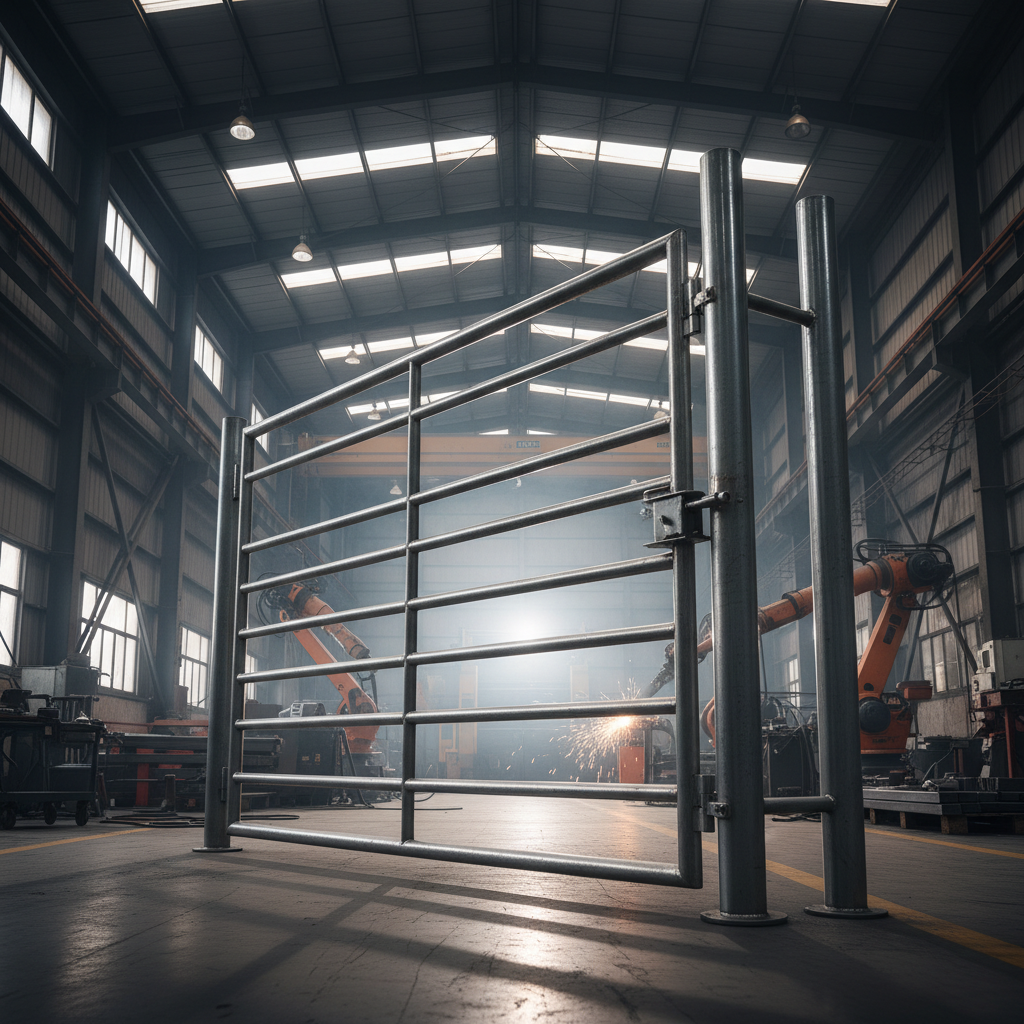
On a global scale, the demand for efficient livestock handling is tied directly to food security and agricultural efficiency. According to industry standards and ISO guidelines for structural metals, the transition from wooden posts to the Corral Fence Panel has drastically reduced the incidence of livestock injury and handler accidents. In regions like North America and Australia, where large-scale ranching is prevalent, these panels are the backbone of operational logistics.
The primary challenge addressed by these systems is the "pressure point" phenomenon, where panicked livestock can easily breach substandard barriers. By utilizing reinforced structural steel, the modular panel system ensures that animals remain contained even under extreme stress, preventing costly losses and maintaining the integrity of the farm's perimeter.
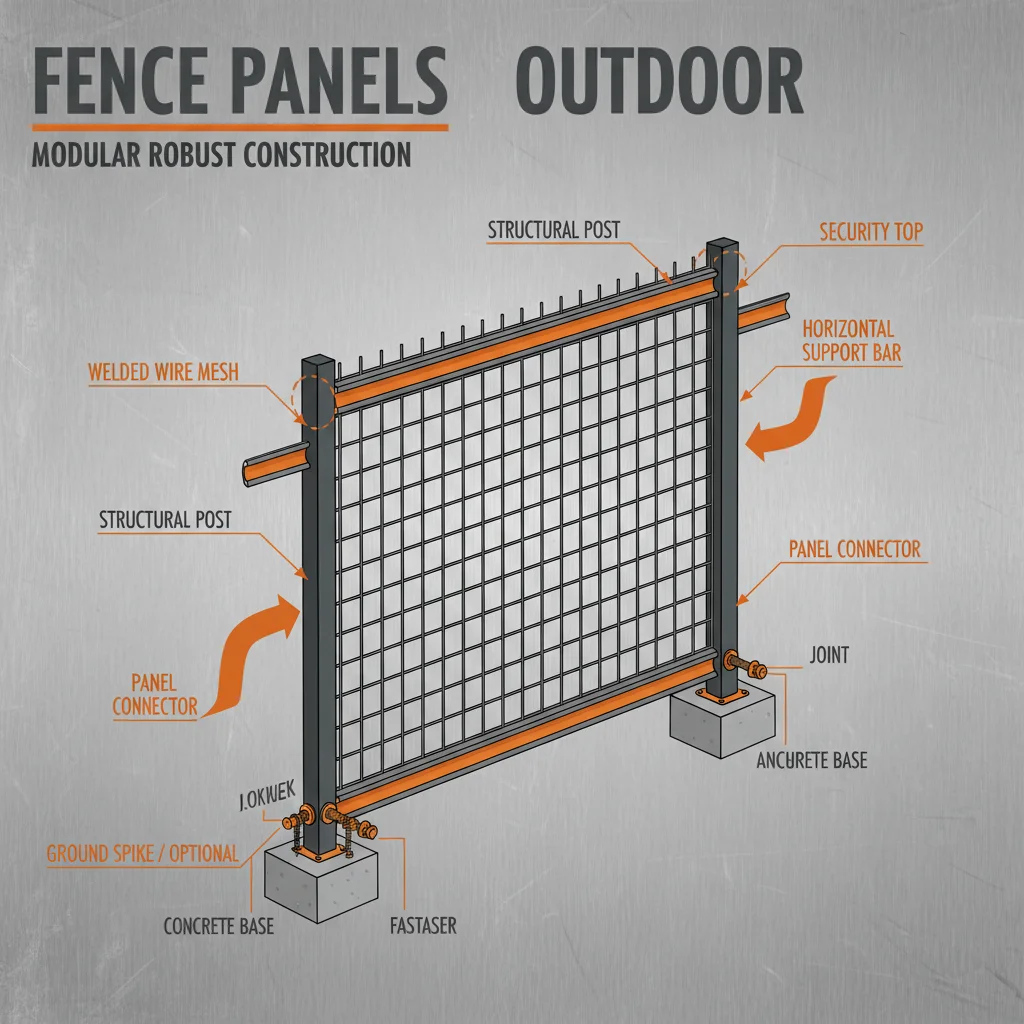
In simple terms, a Corral Fence Panel is a pre-fabricated, heavy-duty metal barrier designed to create temporary or permanent enclosures for livestock. Unlike permanent boundary fences, these panels are typically modular, featuring pin-and-ring or slam-latch systems that allow them to be connected and disconnected without the need for heavy machinery or permanent welding in the field.
Beyond mere containment, these panels represent a critical intersection of metallurgical engineering and animal psychology. By providing a visual and physical boundary that is sturdy yet devoid of sharp edges or gaps, they reduce animal anxiety during sorting and loading processes. This connection to humanitarian and veterinary needs ensures that livestock are treated with dignity and safety.
In the context of modern structural metal manufacturing, these panels are typically crafted from galvanized steel to prevent oxidation. This ensures that the structural integrity remains intact across varying climates, from the humid tropics to the arid plains, making them a universal solution for global livestock management.
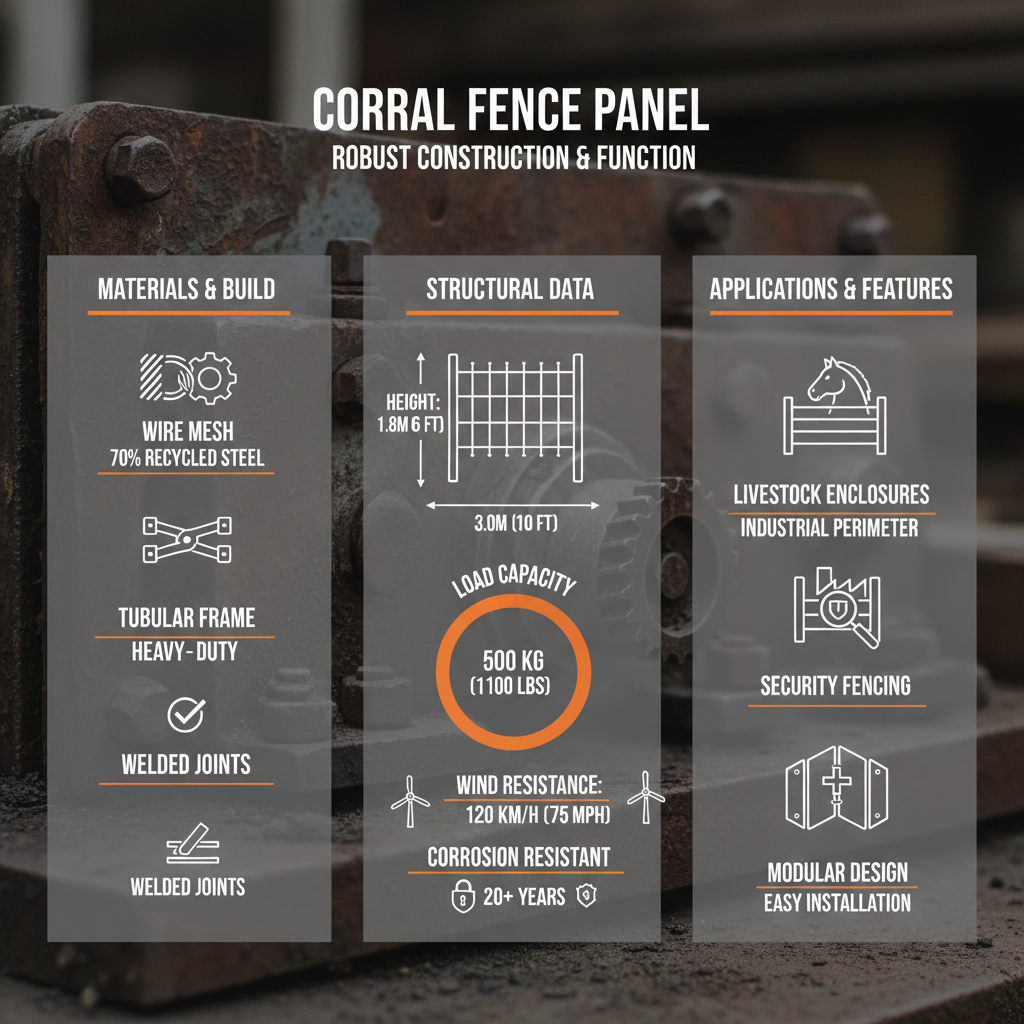
The durability of a Corral Fence Panel begins with the raw material selection. High-tensile steel tubing is the preferred choice, providing the necessary rigidity to resist bending when leaned upon by heavy cattle. The wall thickness, or gauge, is carefully calibrated to balance the need for extreme strength with the practical requirement of portability.
One of the most critical components is the Hot-Dip Galvanization (HDG) process. By immersing the Corral Fence Panel in a molten zinc bath, a metallurgical bond is formed that protects the steel from rust and corrosion for decades. This is essential for panels exposed to urine, manure, and varying weather conditions, which are naturally corrosive to bare metal.
Finally, the connectivity hardware—such as the locking pins and hinges—determines the scalability of the system. Precision-engineered joints ensure that there is no "play" or wobble between panels, which prevents animals from finding leverage to push the fence over. These core components collectively ensure that the system remains a reliable asset for the lifetime of the farm.
When evaluating different types of containment solutions, performance metrics such as load-bearing capacity, installation speed, and corrosion resistance are paramount. A high-quality Corral Fence Panel outperforms traditional timber or lightweight wire options in almost every operational category, particularly in high-traffic livestock areas.
The following data illustrates the comparative effectiveness of various panel designs based on industry stress tests and longevity trials, highlighting why structural metal remains the preferred choice for professional ranchers.
The versatility of the Corral Fence Panel allows it to be deployed across a wide array of agricultural and industrial scenarios. In large-scale beef cattle operations in the American Midwest, these panels are used to create sorting alleys and holding pens that facilitate efficient vaccination and ear-tagging processes, reducing the time animals spend in high-stress environments.
Beyond traditional ranching, these systems are increasingly utilized in remote industrial zones and post-disaster relief operations to create secure enclosures for livestock rescued during floods or wildfires. In these emergency contexts, the ability to quickly assemble a sturdy perimeter ensures that animals are kept safe and separated by species, preventing further chaos and facilitating orderly distribution of aid.
Investing in a premium Corral Fence Panel provides a tangible return on investment through the drastic reduction of replacement costs. While cheaper, non-galvanized alternatives may seem attractive initially, they often fail within three to five years due to rust. In contrast, a professionally manufactured metal panel can last over twenty years, lowering the total cost of ownership.
From a safety perspective, the value is immeasurable. The structural integrity of these panels prevents "fence-crushing" accidents, where an animal pushes through a barrier and traps a handler against another object. The peace of mind that comes with knowing the containment is secure allows farm staff to focus on animal care rather than constant barrier repair.
Furthermore, the modular nature of these panels promotes sustainability. Instead of replacing an entire fence line when a section is damaged, operators can simply swap out a single panel. This reduces material waste and ensures that the farm's infrastructure remains modern and efficient without requiring a complete overhaul.
The future of the Corral Fence Panel is being shaped by advancements in material science and automation. We are seeing a shift toward "smart alloys" that offer even higher strength-to-weight ratios, making panels easier to move by hand while increasing their resistance to impact. Some manufacturers are also exploring powder-coating technologies that provide an additional layer of antimicrobial protection.
Digital transformation is also touching the fencing industry. The integration of RFID (Radio Frequency Identification) tags into panel systems allows large-scale operations to track the movement of livestock through different pens automatically. By combining physical containment with digital tracking, ranchers can monitor animal health and movement patterns in real-time, optimizing the flow of the corral.
Sustainability is the final frontier. The industry is moving toward "green steel"—metal produced using hydrogen instead of carbon—to reduce the environmental footprint of agricultural infrastructure. This ensures that the tools used to feed the world are produced in a way that protects the planet for future generations.
| Material Type | Corrosion Resistance | Impact Strength | Estimated Lifespan |
|---|---|---|---|
| Standard Galvanized Steel | High | Very High | 15-20 Years |
| Powder-Coated Alloy | Ultra High | High | 20-25 Years |
| High-Tensile Reinforced Steel | Medium-High | Extreme | 25+ Years |
| Aluminum Alloy (Specialty) | Extreme | Medium | 30+ Years |
| Composite-Metal Hybrid | High | High | 15-20 Years |
| Traditional Untreated Iron | Low | High | 5-8 Years |
Unlike wood, which rots, splinters, and requires constant painting, a professional Corral Fence Panel is made from galvanized steel. This provides far superior strength, preventing livestock from breaking through, and eliminates the risk of animals getting splinters or injuries. Additionally, metal panels are modular, meaning they can be rearranged in minutes, whereas wooden fences are permanent and labor-intensive to move.
Depending on the coating, a high-quality Corral Fence Panel can last between 15 to 30 years. Hot-dip galvanization is the key factor here, as it creates a zinc barrier that prevents rust even when exposed to moisture and animal waste. Regular inspections of the locking pins and occasional touch-ups on weld points can extend the life of the system even further.
Yes, provided you choose the correct gauge and reinforcement. Heavy-duty Corral Fence Panel systems are specifically engineered for large breeds, utilizing thicker wall tubing and additional horizontal rails to distribute the pressure of the animal's weight. Always check the load-bearing specifications of the panel to ensure it matches the average weight of your livestock.
Absolutely. One of the primary advantages of the Corral Fence Panel is its modularity. Using a system of pins and rings, you can create circles, rectangles, alleys, or complex sorting systems. This allows you to adapt your farm layout for different seasons or specific needs, such as separating calves from cows or isolating sick animals for treatment.
While they are heavy-duty, they are designed for manual handling. Most Corral Fence Panel designs include integrated handles or lightweight tubing that allows two people to move and lock them into place without needing a tractor or crane. The "slam-latch" or "pin-drop" mechanisms make installation fast and intuitive, reducing setup time significantly.
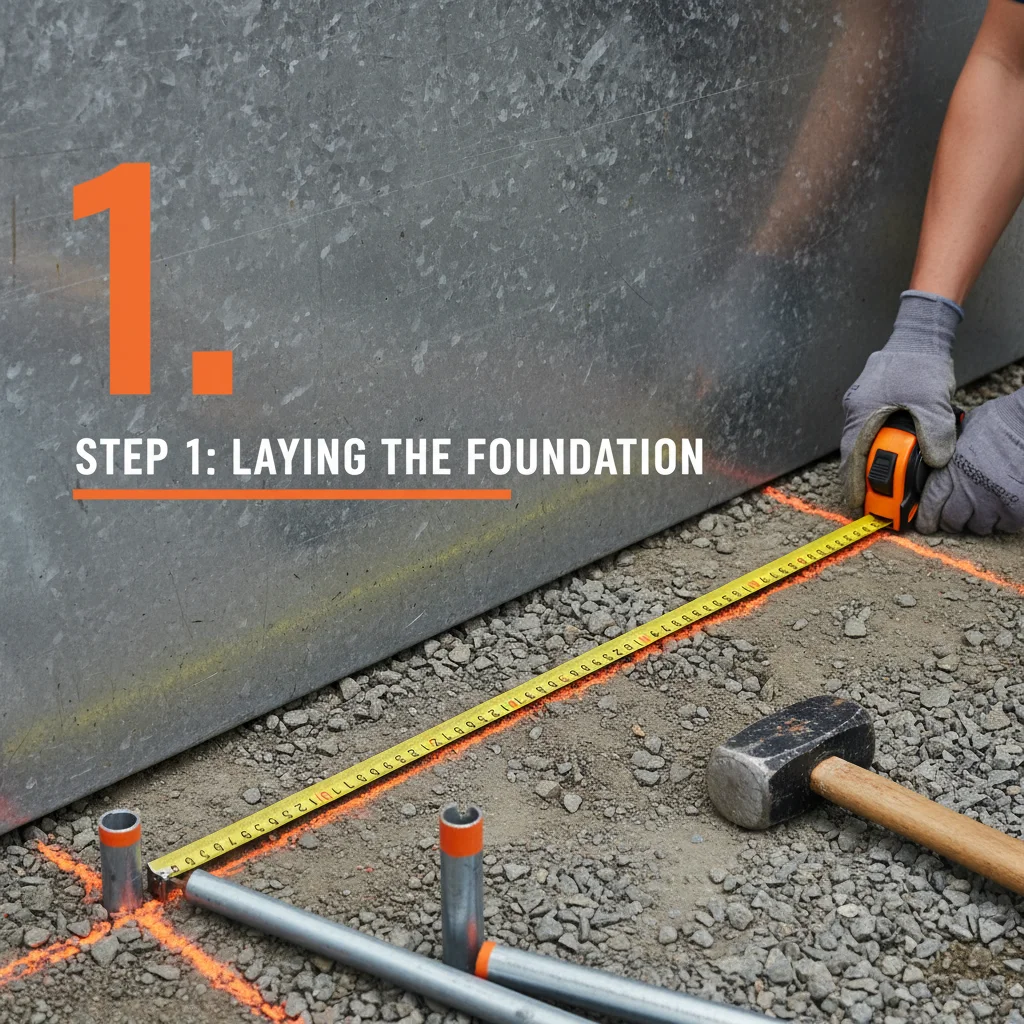
To prevent shifting, we recommend using heavy-duty ground stakes or anchoring the corner panels into concrete footings. Many Corral Fence Panel systems come with compatible anchoring kits. Ensuring that the panels are properly squared and locked prevents the animals from creating a "domino effect" if one panel is pushed.
The Corral Fence Panel represents more than just a boundary; it is a critical component of modern agricultural infrastructure that ensures safety, efficiency, and animal welfare. By combining high-tensile structural steel with advanced galvanization and modular design, these systems solve the perennial challenge of livestock containment while offering unmatched longevity and flexibility.
As we look toward the future, the integration of sustainable materials and smart tracking technology will only enhance the value of these systems. For ranch owners and agricultural managers, investing in high-quality metal panels is a strategic move that reduces long-term overhead and protects the farm's most valuable assets. Visit our website to explore professional solutions: www.sdfencecompany.com

If you are interested in our products, you can choose to leave your information here, and we will be in touch with you shortly.