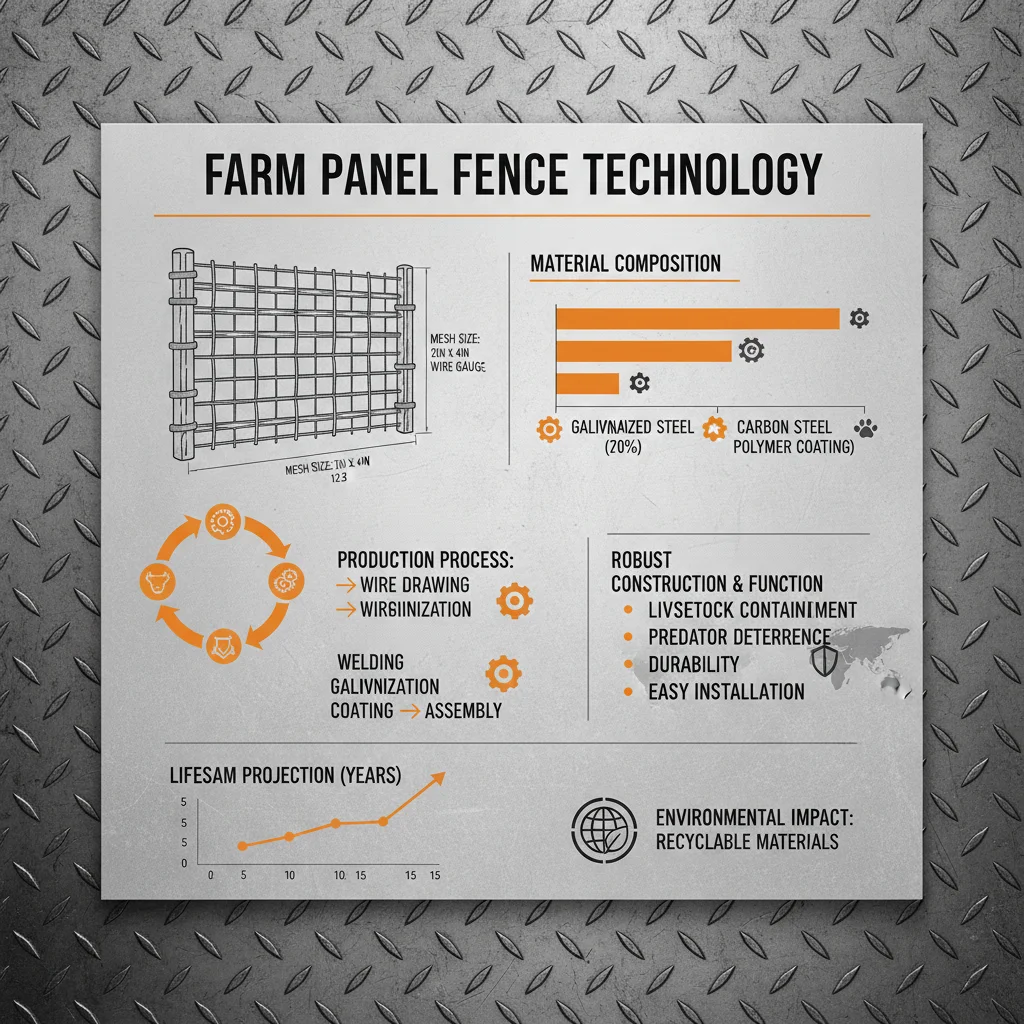
When it comes to enhancing the curb appeal and security of a property, Decorative Fencing Panels serve as the perfect intersection of form and function. These specialized architectural elements are no longer just about boundary marking; they are sophisticated design statements that integrate seamlessly with modern landscapes while providing a robust physical barrier. For homeowners and commercial developers alike, choosing the right paneling means balancing aesthetic aspirations with the grueling demands of environmental exposure.
Across the global construction and landscaping markets, the shift toward high-performance materials has revolutionized how we perceive outdoor enclosures. The industry has moved away from high-maintenance wood and rudimentary iron toward engineered alloys and composites that offer longevity without sacrificing elegance. Understanding the technical nuances of these systems is essential for ensuring a long-term return on investment, as the quality of the paneling directly affects both the property value and the daily security of the premises.
Whether you are looking for the timeless appeal of ornamental steel or the low-maintenance versatility of aluminum, Decorative Fencing Panels provide a scalable solution for various architectural styles. By analyzing material compositions, coating technologies, and installation methods, users can transform a sterile perimeter into a welcoming, secure, and visually stunning environment. This guide explores the comprehensive landscape of decorative fencing, from industrial standards to future design trends.
Global Industry Context of Decorative Fencing Panels
The global market for Decorative Fencing Panels has seen a significant surge driven by rapid urbanization and a growing emphasis on residential aesthetics. According to ISO standards for metal products, there is an increasing demand for corrosion-resistant materials that can withstand diverse climatic conditions—from the humid coastal regions of Southeast Asia to the freezing winters of North America. This global shift is not merely cosmetic; it is a response to the need for sustainable infrastructure that reduces the lifecycle cost of property maintenance.
However, the industry faces a critical challenge: the tension between security requirements and visual openness. Traditional security fences often look industrial and imposing, which can negatively impact the psychology of a residential neighborhood or the branding of a commercial plaza. This gap has paved the way for the evolution of decorative panels that utilize high-tensile strength materials to provide safety without creating a "prison-like" atmosphere, effectively merging security engineering with landscape architecture.
Defining the Scope of Decorative Fencing Panels
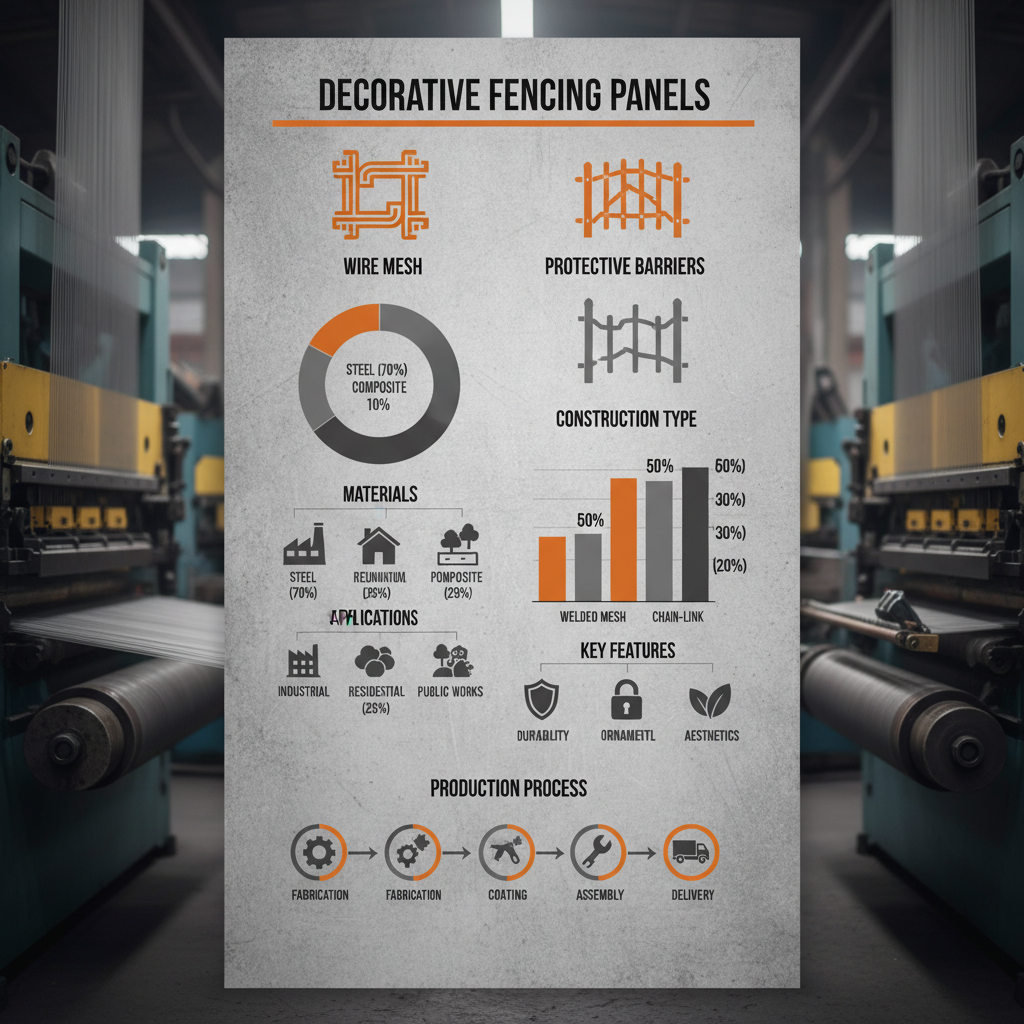
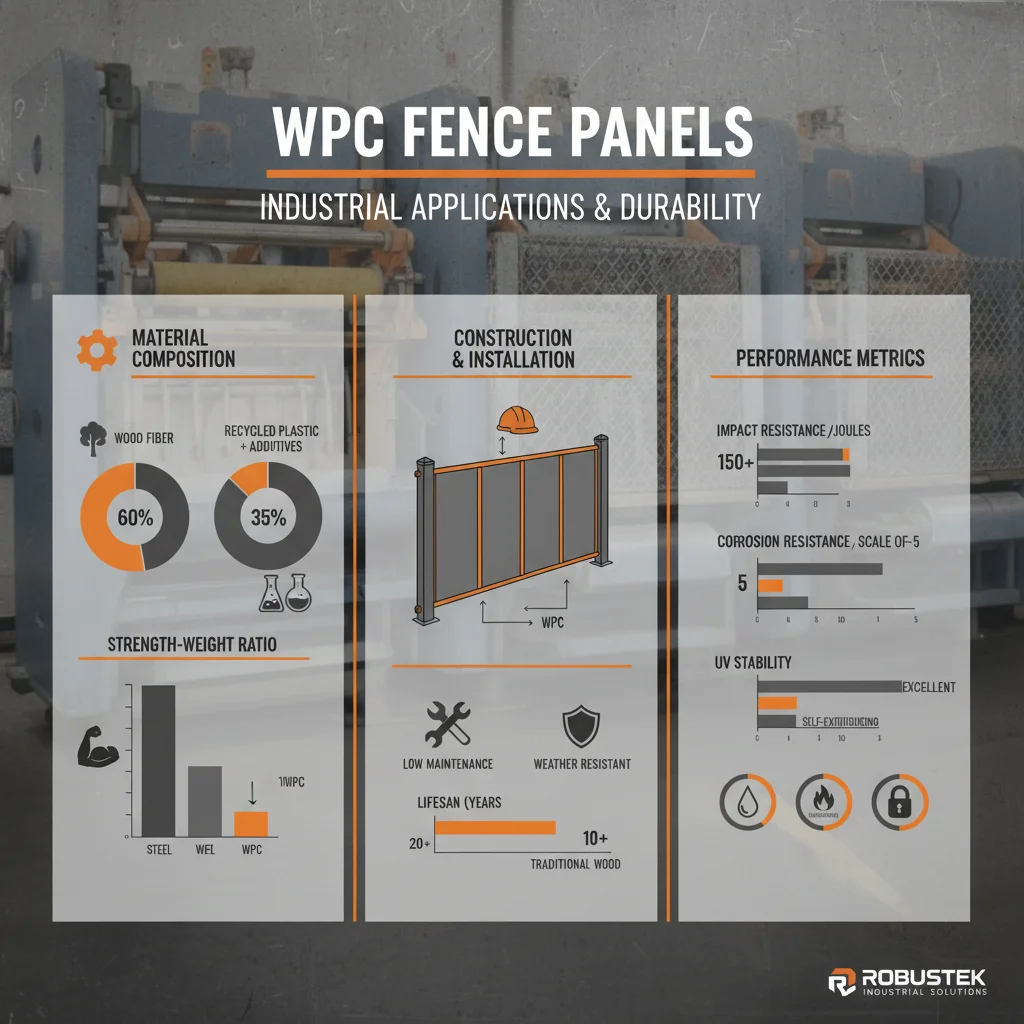
In simple technical terms, Decorative Fencing Panels are pre-fabricated modular sections of fencing designed with an emphasis on ornamental patterns, artistic symmetry, and high-quality finishes. Unlike standard chain-link or plain wooden slats, these panels incorporate geometric designs, scrolls, and varying picket styles. They are typically manufactured from aluminum, galvanized steel, or WPC (Wood Plastic Composite), ensuring that the final product is as durable as it is beautiful.
Beyond the physical product, these panels represent a modern approach to spatial definition. In the context of urban planning, they are used to create "soft boundaries" that guide pedestrian flow and delineate private property without obstructing sightlines. This is particularly crucial in modern humanitarian and community projects where the goal is to create inclusive spaces that still maintain necessary safety protocols and property rights.
The versatility of these systems allows them to be integrated into various categories, such as Aluminum Ornamental Fences for luxury estates or Steel Temporary Fences for high-end event management. By utilizing modular design, these panels can be customized in height, width, and color, allowing for a bespoke appearance that fits the specific architectural language of any given project, whether it be Neoclassical, Industrial, or Minimalist.
Core Components for High-Performance Fencing
The durability of Decorative Fencing Panels begins with material selection and surface treatment. Powder coating is the industry standard, providing a hard, thick layer that protects the underlying metal from UV rays and oxidation. When combined with a galvanized substrate, these panels can resist rust for decades, making them an ideal choice for high-salinity coastal environments where traditional iron would fail within months.
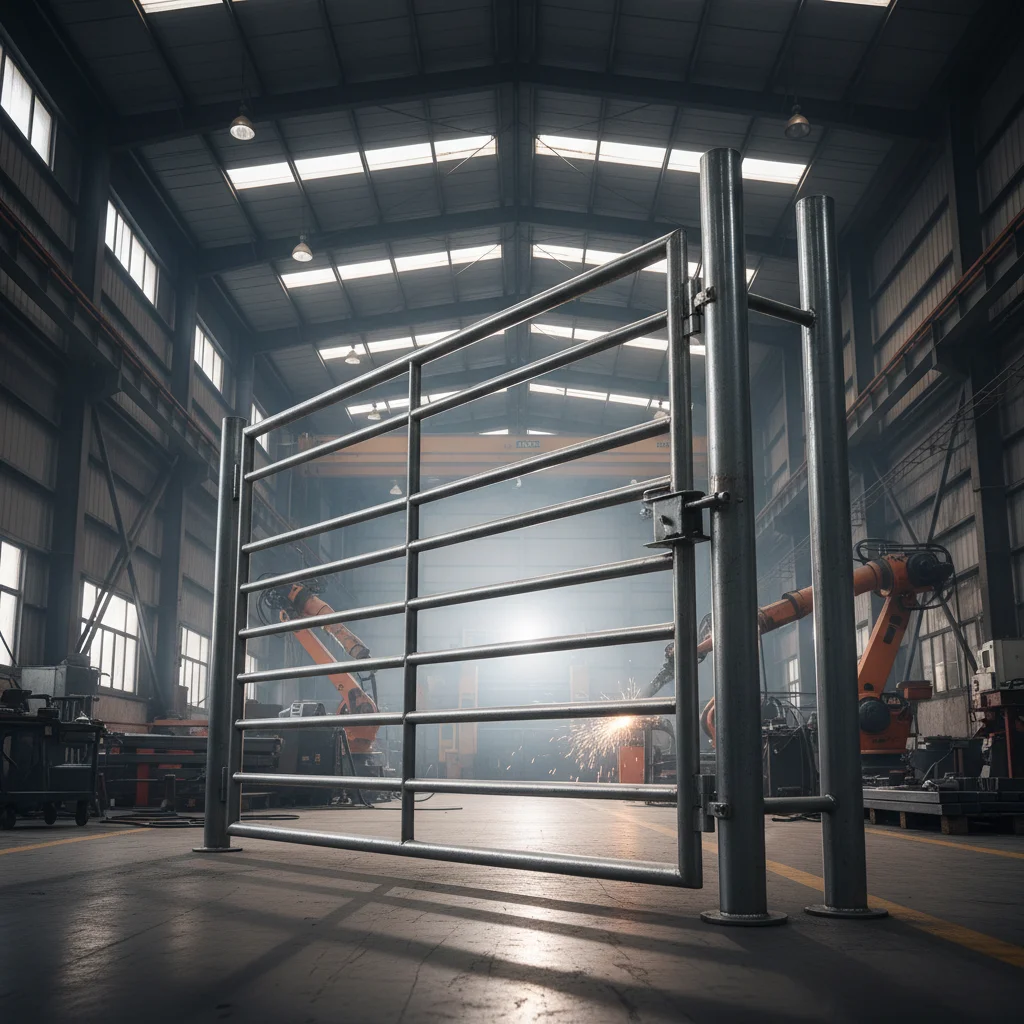
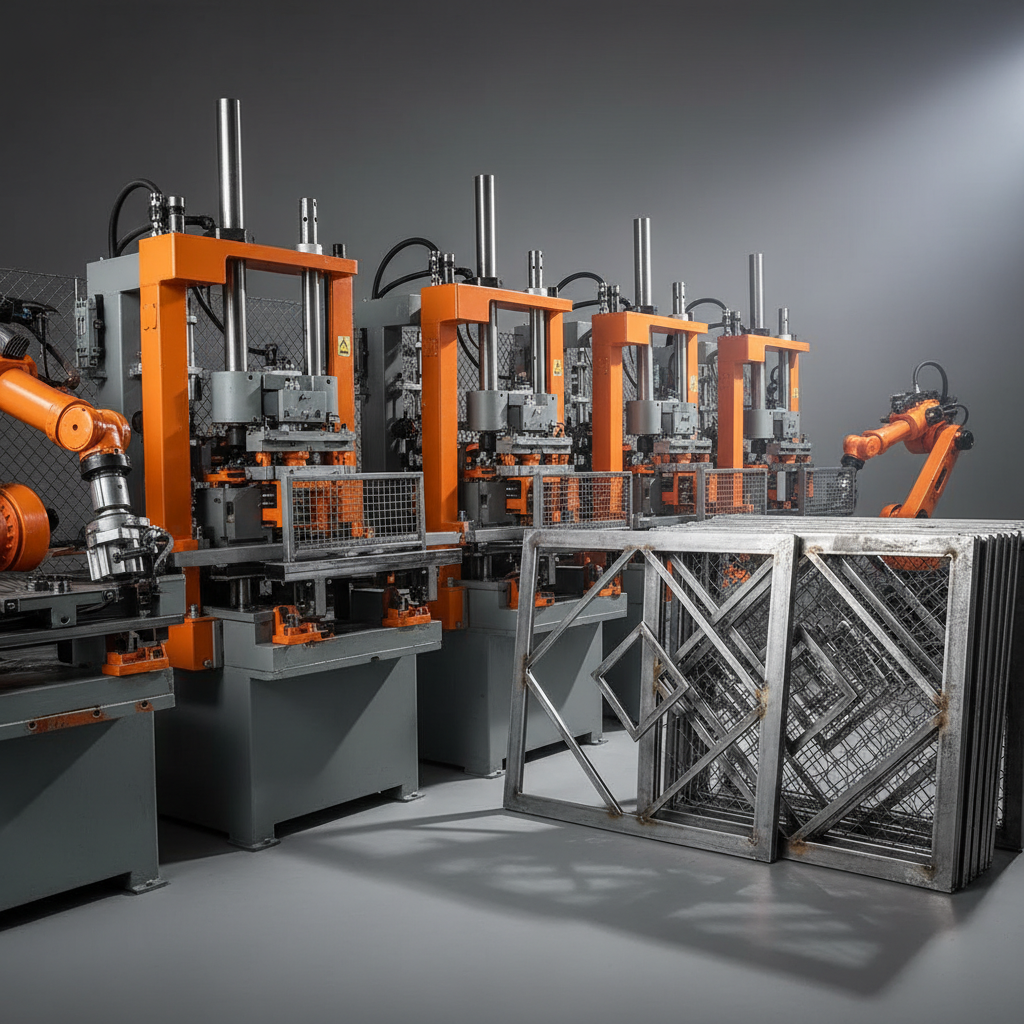
Structural integrity is another critical factor. High-quality Decorative Fencing Panels employ reinforced welding and precision interlocking mechanisms. This ensures that the panels can withstand wind loads and physical impacts without warping or loosening. The use of extruded aluminum allows for complex shapes that remain lightweight yet rigid, reducing the stress on the support posts and simplifying the overall installation process.
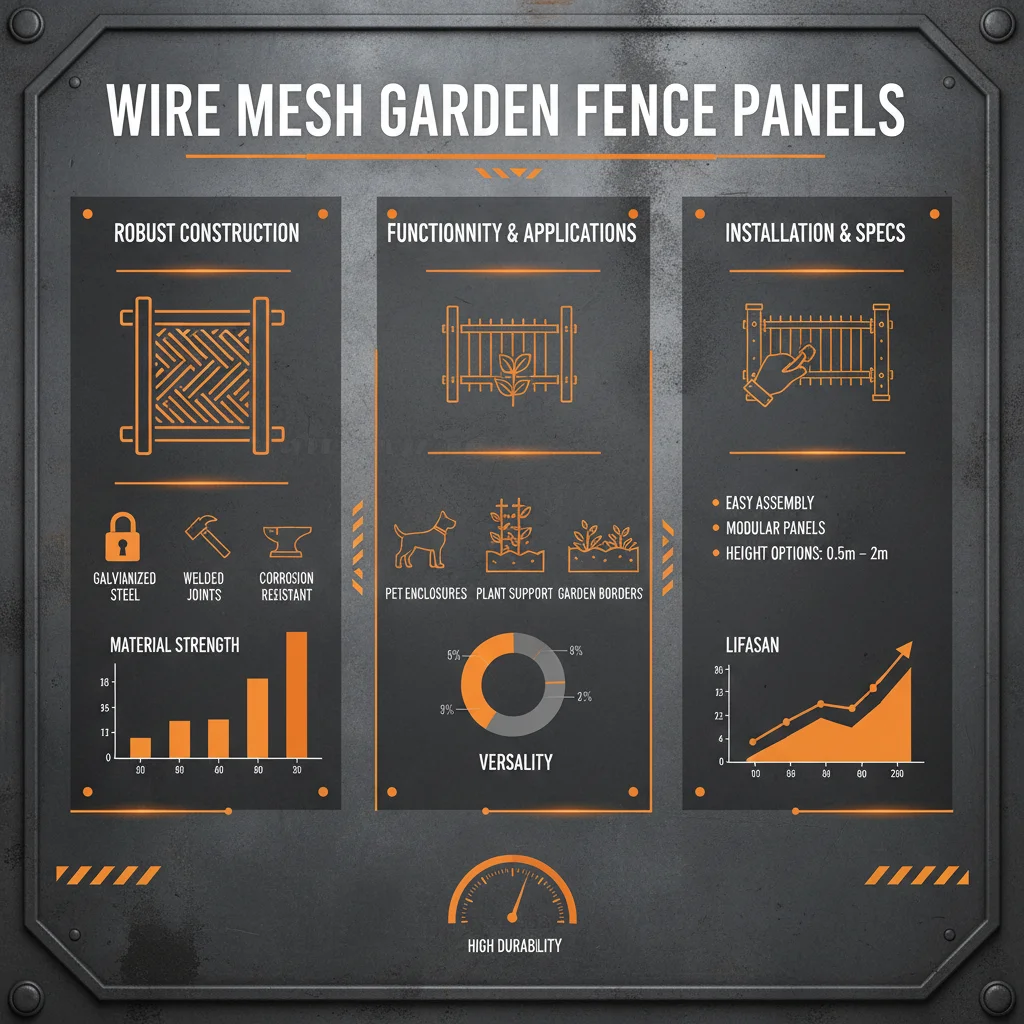
Finally, scalability and ease of installation define the commercial viability of these systems. Modular interlocking designs allow contractors to assemble large perimeters quickly, reducing labor costs and installation time. By standardizing the panel dimensions while offering a variety of "insert" designs, manufacturers can provide a customized look with the efficiency of mass production, ensuring that both small gardens and massive commercial complexes can benefit from professional-grade aesthetics.
Global Applications and Versatile Use Cases
In real-world contexts, Decorative Fencing Panels are deployed across a vast spectrum of industries. In luxury residential developments in Europe and North America, they are used to create elegant boundaries that increase property valuation. In contrast, within commercial sectors like hospitality and retail, these panels are used to create "experience zones," directing foot traffic while maintaining a high-end brand image that complements the building's facade.
Furthermore, these solutions are increasingly found in public infrastructure projects. For instance, in urban park renovations in Asia, decorative panels are used to protect botanical gardens without blocking the view of the flora. In high-security zones like government buildings or corporate headquarters, the panels are engineered with anti-climb features—such as pointed finials and narrow gaps—proving that "decorative" does not mean a compromise in security.
Performance Comparison of Decorative Fencing Panel Materials
Long-Term Value and Strategic Advantages
The long-term value of investing in Decorative Fencing Panels extends far beyond simple aesthetics. From a logical standpoint, the reduction in maintenance costs is the most tangible benefit. Unlike wood, which requires annual staining and is prone to rot, or untreated steel, which requires frequent painting to prevent rust, modern powder-coated aluminum panels can last for 20-30 years with virtually zero maintenance. This drastically lowers the total cost of ownership over the lifetime of the property.
Emotionally and psychologically, these panels provide a sense of dignity and prestige. A well-designed perimeter signals attention to detail and a commitment to quality, which fosters trust in commercial environments and a sense of pride in residential ones. Furthermore, the ability to customize the level of privacy—ranging from open ornamental pikes to full-privacy slats—allows property owners to balance their need for openness with their desire for seclusion, creating a sanctuary that feels safe yet welcoming.
Future Innovations in Fencing Materials
The future of Decorative Fencing Panels is being shaped by the integration of "Smart City" technologies and sustainable chemistry. We are seeing the emergence of "intelligent fences" that incorporate embedded sensors for perimeter security, allowing the panels to detect intrusions without the need for unsightly cameras. Additionally, the development of self-healing coatings is promising; these advanced polymers can automatically fill in small scratches, preventing oxidation from reaching the metal substrate and extending the life of the panels indefinitely.
Sustainability is also driving a material revolution. The industry is moving toward 100% recyclable aluminum and bio-based composites that mimic the look of rare hardwoods without contributing to deforestation. These "green" panels are designed for a circular economy, meaning they can be disassembled at the end of their useful life and melted down to create new panels, significantly reducing the carbon footprint of the construction process.
Finally, digital transformation in manufacturing—specifically 3D printing and CNC precision cutting—is allowing for unprecedented levels of customization. Architects can now design complex, parametric patterns that were previously impossible to manufacture. This means Decorative Fencing Panels can now be tailored to mirror the specific architectural motifs of a building's facade, creating a cohesive visual identity from the street level to the roofline.
Overcoming Common Implementation Challenges
Despite their benefits, the implementation of Decorative Fencing Panels often comes with challenges, most notably the initial cost and installation complexity on uneven terrain. Many customers are deterred by the higher upfront price compared to basic chain-link systems. However, the expert approach is to view this as a capital investment rather than an expense; the increase in property value and the elimination of recurring maintenance costs typically offset the initial premium within the first five to seven years.
Another common hurdle is the "cookie-cutter" look that can occur when using standard modular panels. To overcome this, designers are increasingly employing "hybrid configurations," mixing different panel styles or integrating natural elements like climbing plants and stone pillars. By breaking the monotony of the line, the fencing feels more organic and integrated into the environment, rather than looking like a prefabricated wall.
Lastly, regulatory compliance regarding fence height and "sight triangles" at road intersections can complicate installation. The solution lies in using a tiered panel system, where the height of the Decorative Fencing Panels is varied according to the local zoning laws. By using shorter, more open panels near the street and taller, more private panels near the home, owners can remain compliant while still achieving their desired level of security and privacy.
Comparative Analysis of Decorative Fencing Panel Configurations
|
Panel Material
|
Typical Application
|
Maintenance Level
|
Lifespan Expectancy
|
|
Powder-Coated Aluminum
|
Residential Luxury / Coastal
|
Very Low
|
25-40 Years
|
|
Galvanized Ornamental Steel
|
Commercial / High Security
|
Low to Medium
|
20-30 Years
|
|
WPC Composite
|
Modern Gardens / Privacy
|
Very Low
|
15-25 Years
|
|
Cast Aluminum
|
Historic Districts / Gates
|
Low
|
30-50 Years
|
|
Vinyl-Coated Steel
|
Industrial Perimeters
|
Medium
|
15-20 Years
|
|
Custom Laser-Cut Steel
|
Architectural Landmarks
|
Medium
|
20-30 Years
|
FAQS
The primary difference lies in weight, corrosion resistance, and strength. Aluminum Decorative Fencing Panels are naturally rust-proof and lighter, making them ideal for coastal areas and easy installation. Steel panels are significantly stronger and more rigid, offering higher security against forced entry, but they require galvanization or powder coating to prevent rust. Aluminum is generally preferred for residential aesthetics, while steel is chosen for high-security commercial applications.
To maintain visual harmony, match the fence's "language" to the building. For traditional or Victorian homes, choose panels with curved finials and intricate scrolls. For modern, minimalist architecture, opt for clean, vertical lines or laser-cut geometric patterns. Consider the "transparency" of the panel; if you want to showcase a beautiful garden, use open-picket designs. If you need a private sanctuary, look for privacy-focused panels with tighter spacing or composite inserts.
Initially, yes. The cost of materials for aluminum or steel is higher than pressure-treated wood. However, the installation of modular Decorative Fencing Panels is often faster due to their pre-fabricated nature. When you calculate the "lifecycle cost," decorative metal panels are cheaper because they don't require the regular sanding, staining, and eventual replacement that wood demands every 5-10 years.
Absolutely. Professionals use a technique called "stepping," where the panels are installed in a stair-step pattern to follow the grade of the land. Alternatively, for more gradual slopes, "racking" can be used, where the panels are slightly angled to follow the contour of the earth. Because modular panels are designed with precise tolerances, they can be adapted to most terrain without compromising the structural integrity or the visual appeal of the perimeter.
One of the biggest advantages of these panels is their low maintenance. For most of the year, a simple rinse with a garden hose to remove dust and pollen is sufficient. For deeper cleaning, use a mild soap solution and a soft cloth or brush—avoid harsh chemicals or abrasive scrubbers that could scratch the powder coating. If a deep scratch occurs, a touch-up paint kit provided by the manufacturer can easily restore the finish and prevent oxidation.
Yes, provided you choose the right design. For homes with small pets, ensure the gap between the bottom rail and the ground is minimal, or choose a design with closer picket spacing. For children, avoid designs with overly sharp finials if the fence is in a high-activity play area. Many Decorative Fencing Panels offer "flat-top" or "rounded" options that provide all the beauty of ornamental fencing without the risk of sharp edges.
Conclusion
In summary, Decorative Fencing Panels represent a sophisticated blend of engineering and art, providing a durable, low-maintenance, and aesthetically pleasing solution for property boundary management. By prioritizing high-grade materials like powder-coated aluminum and galvanized steel, and utilizing modular installation techniques, property owners can achieve a perfect balance between security and style. The long-term value is evident not only in the increased property appraisal but in the peace of mind that comes from a reliable, rust-resistant perimeter.
Looking ahead, the integration of sustainable materials and smart technology will only further enhance the utility of these systems. As we move toward more eco-conscious urban development, the transition to recyclable and energy-efficient fencing solutions becomes a necessity rather than a luxury. We encourage architects and homeowners to move beyond basic enclosures and embrace the versatility of decorative paneling to create spaces that are safe, sustainable, and visually inspiring. For premium solutions tailored to your needs, visit our website: www.sdfencecompany.com