Durable Sheep Fence Panels for Secure Livestock Management
Disclaimer: Images used in the articles on this website may be AI-generated and are provided for reference purposes only. Actual products, specifications, dimensions, manufacturing processes, and performance may vary. For accurate product information, real project cases, and detailed documentation, please contact us directly.
0%
Table of Contents
Securing livestock requires a balance between structural rigidity and cost-effectiveness, which is why Sheep Fence Panels have become a cornerstone of modern agricultural infrastructure. These specialized fencing solutions are engineered to prevent escapes and keep predators at bay, ensuring the safety of the flock while minimizing labor-intensive maintenance.
Across the global livestock industry, the transition from traditional wooden posts to high-tensile Sheep Fence Panels represents a significant leap in operational efficiency. By integrating galvanized steel and advanced weaving techniques, these panels offer a durable barrier that withstands extreme weather conditions and the physical pressure of huddling animals.
Understanding the nuances of panel selection—ranging from aperture size to coating thickness—is essential for any farm manager looking to optimize their land use. This guide explores the technical specifications, global applications, and long-term value of investing in premium Sheep Fence Panels to sustain a productive farming environment.
On a global scale, the demand for Sheep Fence Panels is driven by the expansion of the wool and meat industries in regions like Australia, New Zealand, and the European Union. According to agricultural trade data, the shift toward intensive grazing management has necessitated barriers that are not only secure but also easy to deploy over vast, rugged terrains.
The primary challenge facing livestock owners is the "fence-creep" phenomenon and predator intrusion, which can lead to significant economic losses. High-performance Sheep Fence Panels address these issues by utilizing high-tensile steel that resists sagging and prevents animals from pushing through the mesh, thereby safeguarding the farmer's investment.
Defining Modern Sheep Fence Panels
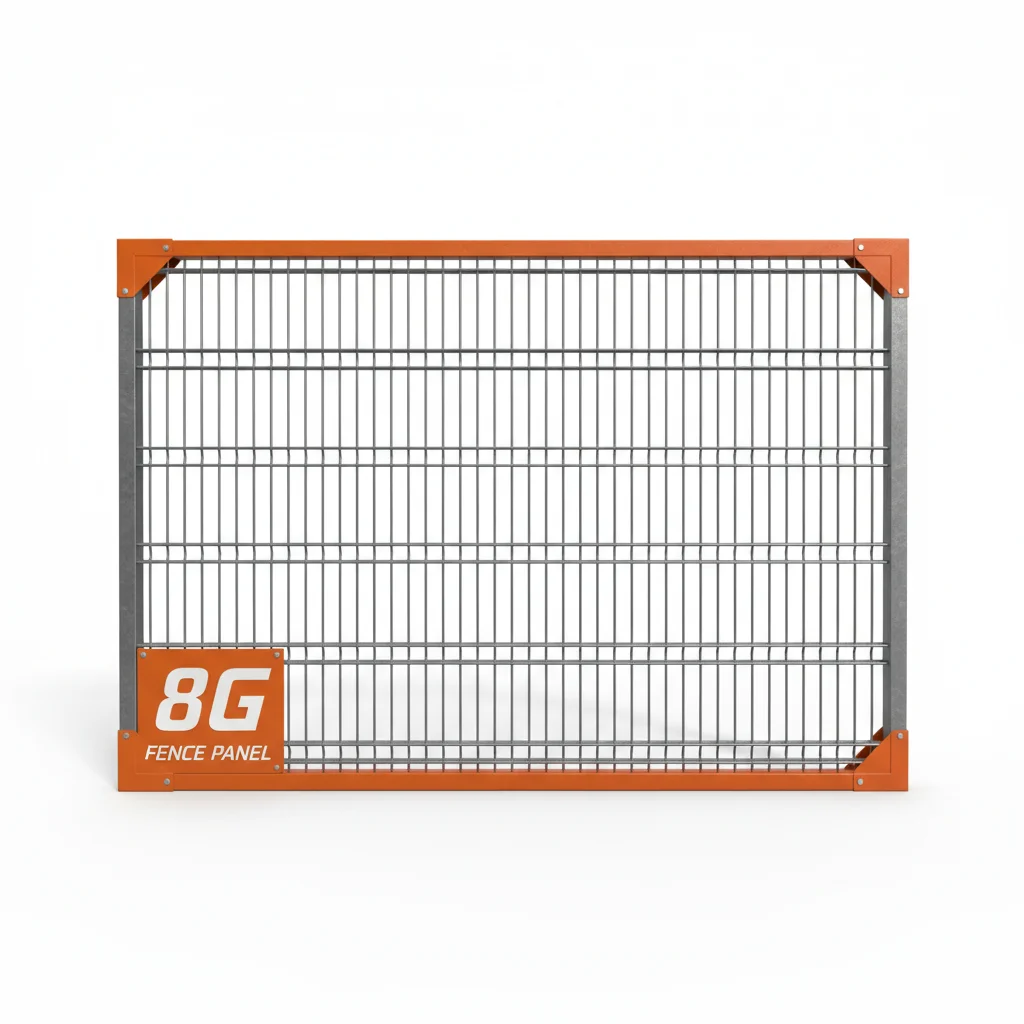
In technical terms, Sheep Fence Panels are prefabricated structural barriers made from woven or welded metal wires, specifically spaced to contain sheep while preventing the entry of larger predators. Unlike generic chain-link systems, these panels often feature a "non-climb" design or a graduated mesh pattern where the openings are smaller at the bottom to prevent lambs from slipping through.
These panels are deeply connected to the modern need for sustainable land management. By defining clear boundaries, they allow for rotational grazing—a practice that prevents overgrazing and promotes soil health. This makes Sheep Fence Panels more than just a physical barrier; they are a tool for environmental stewardship.
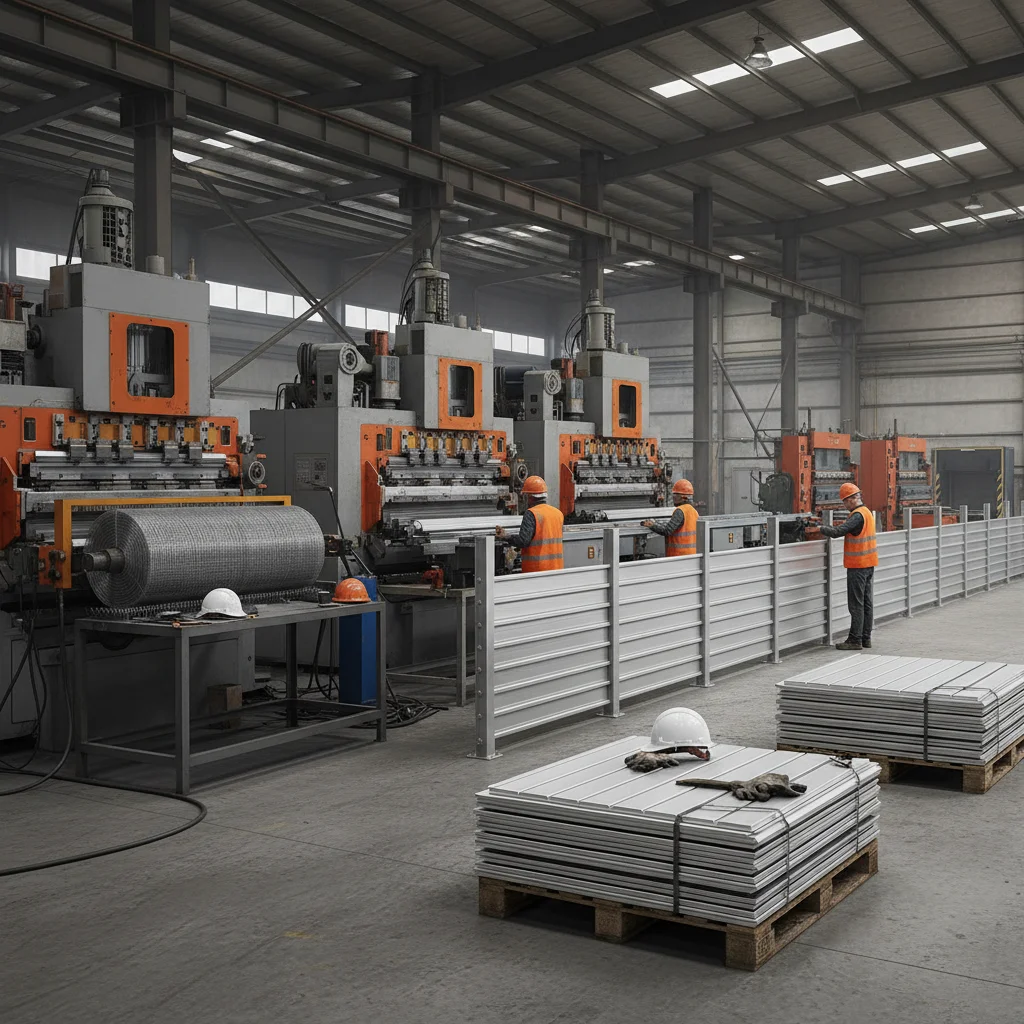
From a manufacturing perspective, the focus has shifted toward galvanization and PVC coating. This ensures that the panels can withstand the corrosive nature of livestock waste and moisture, extending the lifespan of the installation from a few years to several decades.
Core Components of High-Quality Fencing
Durability is the most critical factor for Sheep Fence Panels. The use of hot-dipped galvanized steel ensures that the zinc layer protects the inner core from rust, which is essential for fences exposed to rain, snow, and high humidity in coastal or mountainous farming regions.
Scalability and ease of installation allow farmers to expand their pastures without needing specialized heavy machinery. Modern Sheep Fence Panels are designed with standardized dimensions, allowing them to be bolted or tied together quickly, significantly reducing labor costs.
Tensile strength and structural integrity ensure that the panels do not deform under the weight of leaning animals. By optimizing the gauge of the wire and the strength of the welds, these panels maintain their shape and functionality even in high-pressure environments.
Practical Applications and Global Use Cases
In the rolling hills of the UK and Ireland, Sheep Fence Panels are used to create permanent boundaries that separate breeding flocks from grazing lands. The ability of these panels to follow the contour of the land makes them ideal for uneven topography where traditional rigid fences would fail.
In more remote industrial agricultural zones, such as the Australian Outback, these panels are deployed to manage large-scale livestock movements. The focus here is on predator-proof designs that prevent dingoes and other wild animals from penetrating the perimeter, ensuring the health of the flock.
Comparative Performance of Sheep Fence Panels Types
Long-Term Value and Sustainability
Investing in high-quality Sheep Fence Panels provides an immediate reduction in annual maintenance expenditures. By choosing materials that resist corrosion and mechanical wear, farmers avoid the costly cycle of patching holes and replacing rotted wooden posts every few seasons.
From an emotional and logical standpoint, the reliability of a secure fence brings peace of mind. Knowing that the flock is safe from predators and cannot wander into dangerous roads or neighboring properties allows farm owners to focus on growth and innovation rather than constant crisis management.
Future Trends in Livestock Containment
The future of Sheep Fence Panels is leaning heavily toward the integration of "smart" technology. We are seeing the emergence of sensor-integrated fencing that can alert a farmer via a mobile app if a panel has been breached or if there is unusual pressure on a specific section of the fence.
Sustainability is also driving material innovation. The industry is exploring the use of recycled alloys and eco-friendly powder coatings that reduce the carbon footprint of manufacturing without compromising the structural integrity of the panels.
Furthermore, automation in the installation process—such as GPS-guided post drivers—is making the deployment of Sheep Fence Panels faster and more precise, ensuring perfectly aligned boundaries even over hundreds of acres.
Challenges and Engineering Solutions
One of the most persistent challenges is the tension loss that occurs due to soil shifting and temperature fluctuations. To combat this, engineers have introduced adjustable tensioning systems that allow farmers to tighten Sheep Fence Panels without dismantling the entire line.
Another issue is the "climb-over" attempt by more agile predators. The solution has been the development of specialized top-rail extensions or "outriggers" that discourage animals from leaping over the fence, effectively increasing the height without needing an entirely taller panel.
Finally, the cost of high-grade materials can be a barrier. However, by adopting a modular approach, where high-strength Sheep Fence Panels are used in critical high-pressure areas and standard mesh is used in low-risk zones, farmers can optimize their budget while maintaining overall security.
Technical Comparison of Sheep Fence Panel Specifications
Panel Material
Corrosion Resistance
Installation Speed
Expected Lifespan
Galvanized Steel
High
Fast
15-20 Years
PVC Coated Steel
Very High
Moderate
25+ Years
Woven High-Tensile
Medium
Very Fast
10-15 Years
Welded Wire Mesh
Medium
Fast
12-18 Years
Aluminum Alloy
Excellent
Fast
30+ Years
Hybrid Composite
High
Moderate
20-25 Years
FAQS
What is the best material for Sheep Fence Panels in rainy climates?
For rainy or coastal environments, PVC-coated galvanized steel is highly recommended. The PVC layer provides an extra shield against moisture and salt, preventing the underlying steel from oxidizing, while the galvanization ensures structural strength. This combination maximizes the lifespan of your fencing in humid conditions.
How do I prevent sheep from pushing over the panels?
The key is to use high-tensile Sheep Fence Panels and install reinforced corner posts. Ensure that the panels are properly tensioned and anchored. Adding a top rail or using a "stay" wire every few meters can further distribute the pressure and prevent the fence from bowing.
Can these panels be used for goats as well as sheep?
Yes, but with caution. Goats are more agile and prone to climbing or squeezing through gaps. If using Sheep Fence Panels for goats, choose a design with smaller apertures (mesh openings) and consider adding an electric offset wire to discourage them from leaning on or climbing the fence.
How long does it typically take to install a line of panels?
Installation speed varies by terrain, but prefabricated panels are significantly faster than traditional wire winding. A small team can typically install several hundred meters per day using a post-driver and basic fastening tools, as the panels eliminate the need for manual weaving and repeated measuring.
Are Sheep Fence Panels eco-friendly?
Yes, particularly because they are made from recyclable metals. Furthermore, by enabling rotational grazing, they help farmers prevent soil erosion and protect local biodiversity. Long-lasting panels also reduce the frequency of replacement, thereby lowering the overall industrial waste generated by the farm.
What height is recommended for predator protection?
Depending on the local predators, a height of 1.2 to 1.5 meters is standard. For areas with high jumping predators, we suggest using Sheep Fence Panels with an added overhang or a specialized predator-proof top wire to ensure total security of the livestock.
Conclusion
In summary, Sheep Fence Panels are an indispensable asset for the modern livestock producer, combining engineering precision with practical utility. By focusing on material durability, strategic installation, and the adoption of high-tensile designs, farmers can ensure a secure environment that protects their flock and optimizes land productivity while reducing long-term maintenance costs.
As the agricultural industry evolves toward smarter and more sustainable practices, the role of advanced containment systems will only grow. Investing in premium fencing today is not just a purchase of hardware, but a commitment to the safety of your animals and the efficiency of your operation. For those looking to upgrade their infrastructure, we invite you to explore our professional solutions. Visit our website: www.sdfencecompany.com
Robert Miller serves as the North American Sales Manager for S D Company, bringing over 15 years of experience in the fencing and building materials industry. He's focused on expanding S D’s reach within the US market, particularly in the agricultural and residential sectors. Robert is passionate about delivering cost-effective,