When it comes to modern property boundary solutions, Vinyl Fence Panels have emerged as a premier choice for homeowners and commercial developers alike. By blending the classic aesthetic of traditional fencing with the resilience of advanced polymers, these systems offer a low-maintenance alternative to wood and metal, ensuring that perimeter security does not come at the cost of constant upkeep.
Across the global construction landscape, the shift toward synthetic materials is driven by a need for longevity and weather resistance. Vinyl Fence Panels address the critical failures of organic materials, such as rot, termite infestation, and paint peeling, providing a sterile and durable barrier that maintains its structural integrity for decades.
Understanding the nuances of vinyl composition, installation techniques, and design options is essential for anyone looking to enhance their property's value. This comprehensive guide explores how these panels are transforming the fencing industry, from their technical specifications to their long-term environmental and economic impacts.
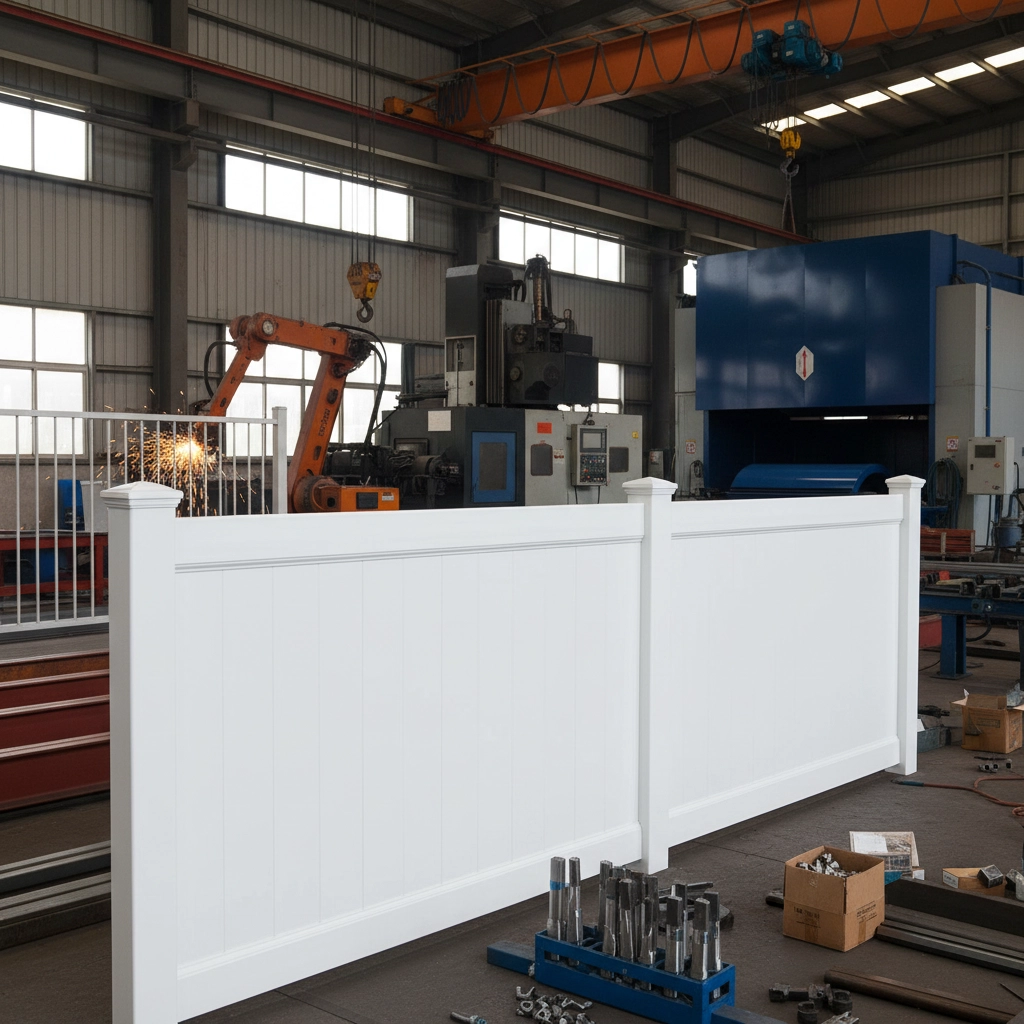
The Global Evolution of Vinyl Fence Panels
The adoption of Vinyl Fence Panels has mirrored the broader industrial transition from raw natural resources to engineered synthetics. Historically, perimeter fencing relied heavily on timber or wrought iron, both of which required significant labor to maintain. With the rise of PVC (polyvinyl chloride) manufacturing and the standardization of ISO quality controls, the industry found a way to produce barriers that mimic the look of wood but possess the immunity of plastic to biological decay.
Today, this trend is evident in rapidly urbanizing regions across North America and Europe, where municipal codes increasingly favor materials that do not leach chemicals into the soil through repeated staining or painting. The global demand for these panels is not merely aesthetic; it is a response to the increasing cost of manual labor and the need for rapid, scalable installation solutions in residential developments.
Technical Definition and Material Composition
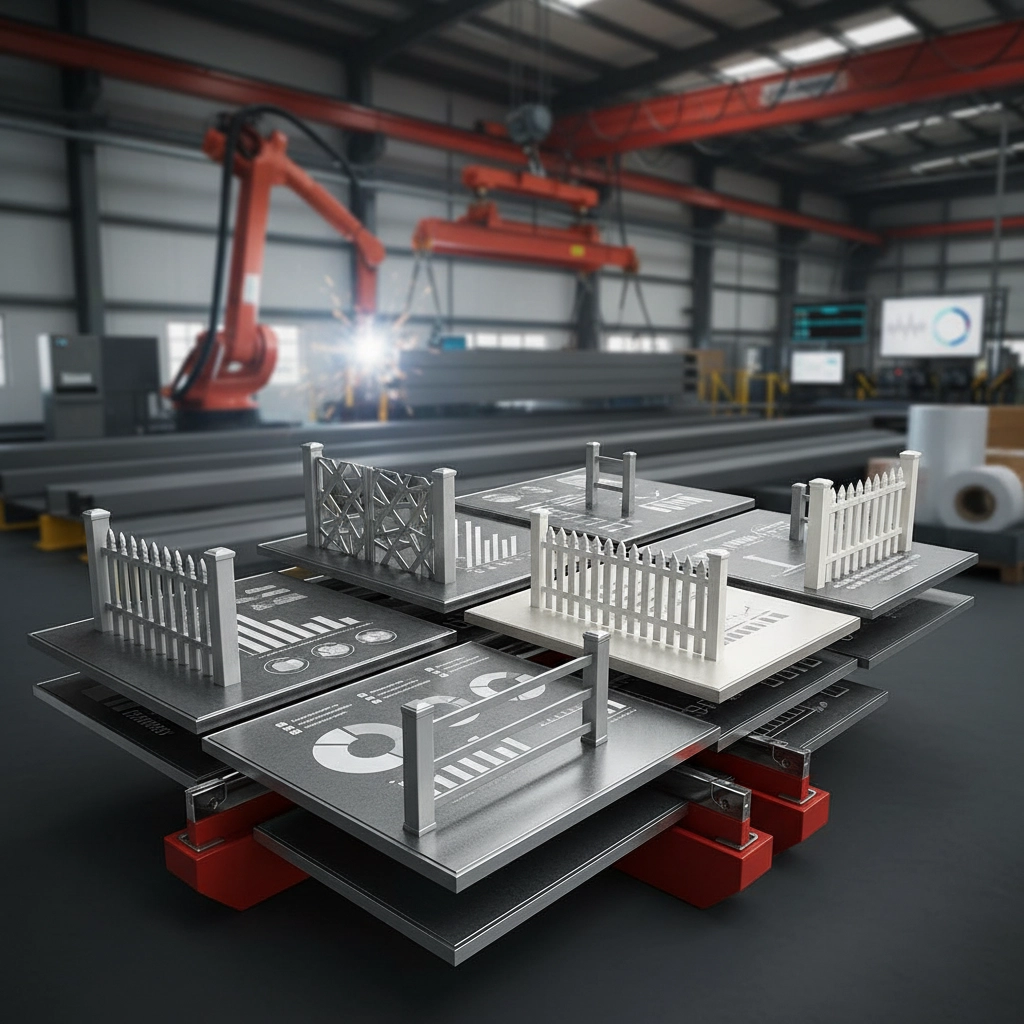
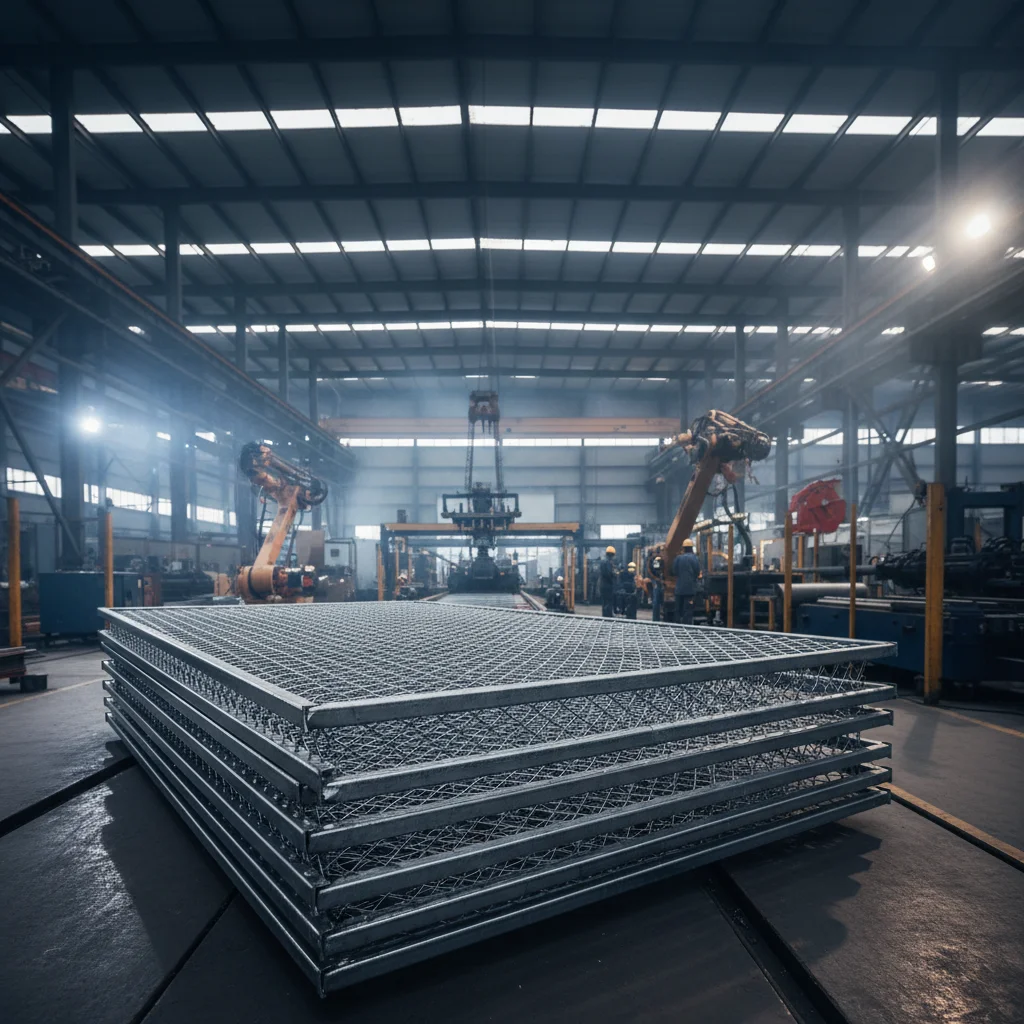
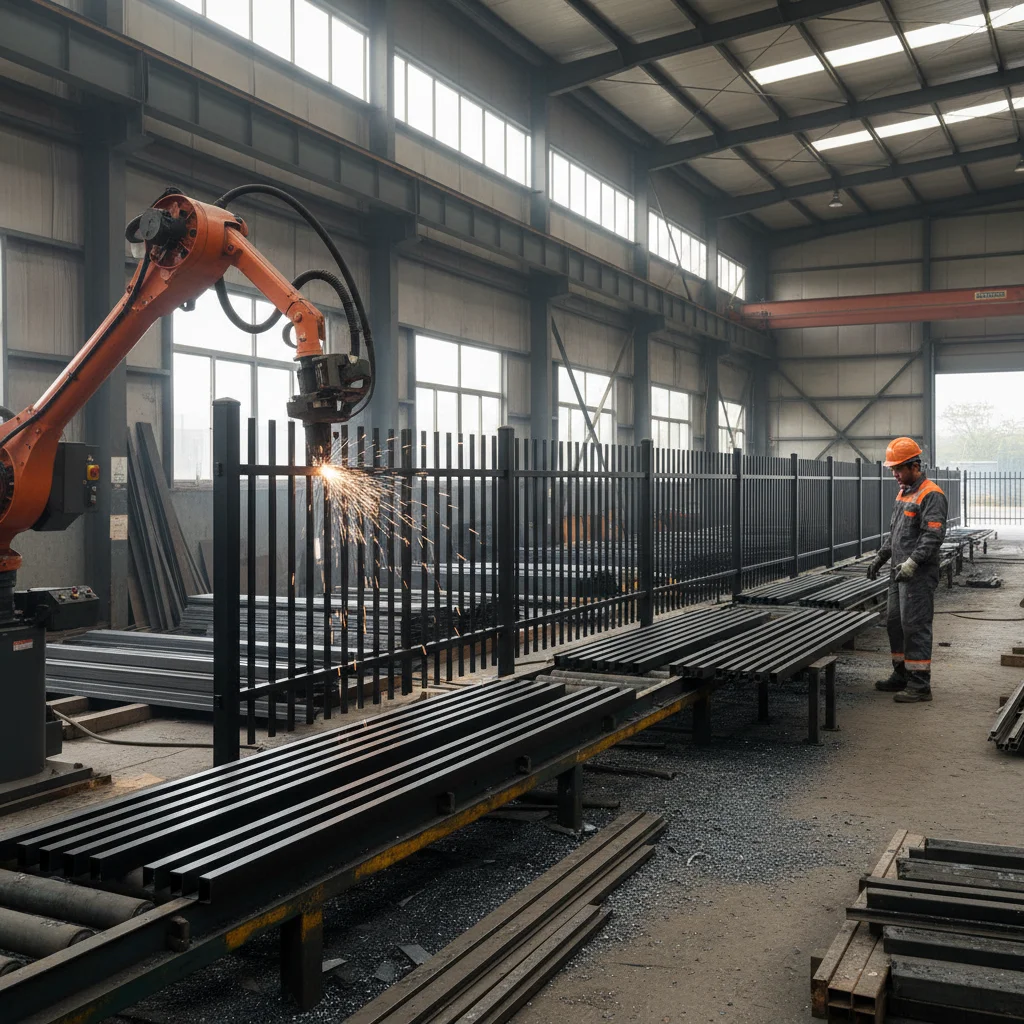
In technical terms, Vinyl Fence Panels are modular boundary systems constructed primarily from polyvinyl chloride (PVC) or vinyl, often reinforced with internal supports. Unlike simple plastic sheets, these panels are engineered through a process of extrusion, where the polymer is melted and pushed through a die to create specific shapes, such as hollow posts or tongue-and-groove slats, ensuring high structural rigidity and seamless interlocking.
The composition of modern vinyl is far more complex than early iterations. To prevent the dreaded "yellowing" caused by ultraviolet radiation, manufacturers integrate titanium dioxide ($\text{TiO}_2$) and other UV stabilizers into the resin. This chemical fortification ensures that the panels reflect harmful rays rather than absorbing them, which prevents the polymer chains from breaking down and keeps the color vibrant for decades.
From a humanitarian and urban planning perspective, these materials contribute to "low-impact" development. Because Vinyl Fence Panels do not require the periodic application of toxic sealants or chemical preservatives required by pressure-treated lumber, they reduce the chemical runoff into local groundwater, aligning with global sustainability goals.
Core Components of High-Performance Vinyl Fencing
The durability of Vinyl Fence Panels is rooted in their material density and wall thickness. High-grade panels utilize a thick-wall construction that resists impact and prevents bowing under wind pressure, making them suitable for diverse climatic zones from coastal breezes to mountain gusts.
Another critical component is the internal reinforcement. In high-stress areas, such as gate posts or panels in high-wind corridors, Vinyl Fence Panels are often reinforced with galvanized steel or aluminum inserts. This hybrid approach combines the corrosion resistance of vinyl with the tensile strength of metal, offering a "best of both worlds" structural solution.
Finally, the interlocking mechanism—typically a tongue-and-groove system—ensures that the panels remain tight and secure. This design not only provides a clean, professional finish but also allows for slight thermal expansion and contraction, preventing the panels from cracking during extreme temperature swings.
Strategic Applications and Global Use Cases
The versatility of Vinyl Fence Panels allows them to be deployed across a vast array of environments. In residential suburbs, they are the gold standard for privacy fencing, providing a sound-dampening barrier and complete visual occlusion. In commercial sectors, they are frequently used to enclose swimming pools or secure corporate perimeters where a clean, white, corporate image is desired without the risk of rust.
Beyond standard residential use, these panels are increasingly used in agricultural and specialized industrial zones. For instance, in livestock management, vinyl is preferred over wood because it can be sanitized easily, preventing the spread of pathogens between animal pens. In remote coastal resorts, the salt-spray resistance of vinyl ensures that the fencing doesn't corrode like steel or rot like cedar, significantly reducing the lifecycle cost of the infrastructure.
Comparative Performance Analysis of Vinyl Fence Panels
Long-Term Economic and Sustainable Value
From a financial perspective, the value proposition of Vinyl Fence Panels is found in the "Total Cost of Ownership" (TCO). While the initial purchase price may be higher than untreated pine or chain link, the absence of painting, staining, and sealing costs creates a break-even point typically within 5 to 7 years. For property managers, this translates to a significant reduction in operational expenditure (OPEX) over the life of the asset.
Sustainability is another key driver. Modern vinyl manufacturing has pivoted toward closed-loop recycling, where scrap material from the extrusion process is reground and reintroduced into the production line. When compared to the deforestation required for massive quantities of cedar or redwood, the use of engineered polymers represents a shift toward protecting old-growth forests while providing a product that does not require chemical treatments that pollute the soil.
Future Innovations in Polymer Fencing Technology
The future of Vinyl Fence Panels is being shaped by advancements in material science, specifically the integration of "smart" polymers. We are seeing the development of self-healing vinyl that can close small scratches or abrasions when exposed to heat, as well as antimicrobial coatings that prevent the growth of mold and algae in humid, tropical environments.
Digital transformation is also hitting the fencing industry. Augmented Reality (AR) tools now allow customers to visualize exactly how different vinyl styles will look on their property before a single panel is shipped. Furthermore, the move toward modular, "click-and-lock" assembly is reducing the reliance on professional installation, democratizing high-quality home improvement for the average consumer.
Additionally, the industry is exploring bio-based PVC alternatives—polymers derived from plant sources rather than petroleum. This evolution will likely make Vinyl Fence Panels the primary choice for "Green Building" certifications (such as LEED), as they offer a path toward fully carbon-neutral boundary solutions.
Overcoming Implementation Challenges
Despite their benefits, Vinyl Fence Panels face challenges, most notably the risk of brittleness in extreme sub-zero temperatures. In very cold climates, low-quality vinyl can crack upon impact. The solution lies in the use of "impact-modified" resins that maintain flexibility at low temperatures, a critical specification for installations in Canada or the Northern US.
Another common concern is the "plastic look" that some traditionalists dislike. To solve this, manufacturers have developed advanced embossing techniques that mimic the deep grain and texture of natural wood. Combined with a palette of "earth-tone" colors—such as tan, slate grey, and mahogany—modern vinyl is nearly indistinguishable from painted wood from a distance.
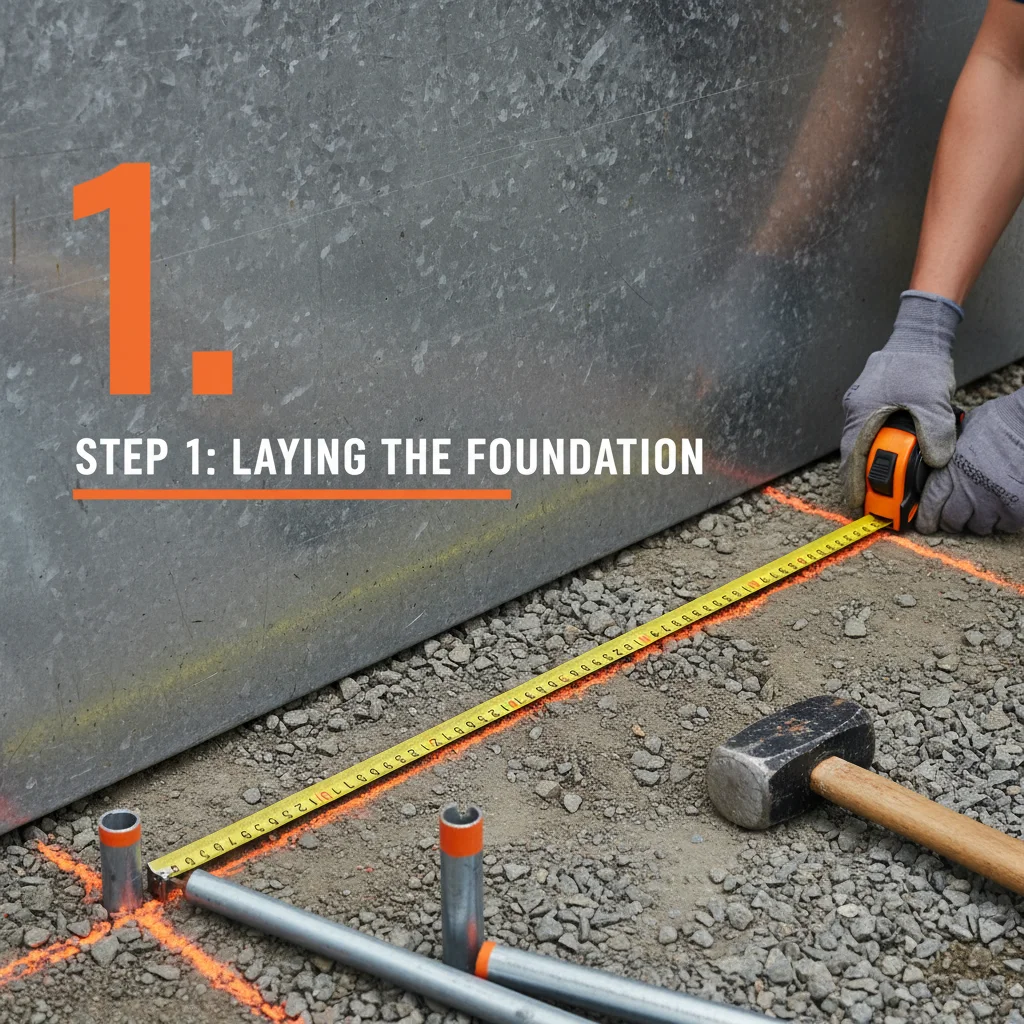
Lastly, improper installation can lead to "leaning" if the posts are not set in sufficient concrete. Expert guidance suggests using a reinforced post-base system, ensuring that the strength of the Vinyl Fence Panels is supported by a rock-solid foundation, preventing wind-load failure.
Comparative Analysis of Vinyl Fence Panel Specifications
|
Material Grade
|
UV Resistance Score (1-10)
|
Impact Strength
|
Maintenance Level
|
| Standard PVC |
6 |
Moderate |
Low |
| Premium Vinyl |
9 |
High |
Very Low |
| Steel-Reinforced |
8 |
Maximum |
Low |
| Impact-Modified |
7 |
High (Cold) |
Very Low |
| Wood-Grain Embossed |
9 |
Moderate |
Very Low |
| Eco-Composite |
8 |
High |
Minimal |
FAQS
High-quality vinyl fence panels are infused with titanium dioxide and UV inhibitors during the manufacturing process. These additives act as a sunscreen for the material, reflecting UV rays and preventing the polymer from breaking down or yellowing. While extremely low-grade PVC might fade, premium panels are designed to maintain their color for decades with nothing more than an occasional rinse with water.
The initial installation cost of vinyl is typically higher than pressure-treated wood. However, vinyl offers superior long-term value. Wood requires staining, painting, and eventually replacement due to rot or insects. Vinyl fence panels require zero painting or sealing, meaning the "lifetime cost" is significantly lower, as you avoid the recurring expenses of maintenance and early replacement.
Yes, provided they are installed correctly. For high-wind zones, we recommend using reinforced vinyl panels that contain aluminum or galvanized steel inserts in the posts. This adds the necessary rigidity to prevent the fence from leaning or collapsing during storms. Proper concrete footing depth is also essential to ensure the wind load is transferred safely into the ground.
Vinyl is an eco-friendly choice in several ways. First, it reduces the demand for old-growth timber. Second, it eliminates the need for toxic chemical stains and preservatives that can leach into the soil. Many modern manufacturers also utilize recycled PVC in their production, and since the panels are 100% recyclable at the end of their long life, they support a circular economy.
Cleaning is remarkably simple. For most dirt and dust, a garden hose with a spray nozzle is sufficient. For tougher stains or algae growth in shaded areas, a mixture of mild soap and water with a soft scrub brush works perfectly. Avoid using harsh abrasive chemicals or steel wool, as these can scratch the surface and dull the finish of the vinyl.
Many homeowners successfully install vinyl fencing due to its modular nature. The interlocking tongue-and-groove system makes the assembly process intuitive. However, the most critical part is the post-setting; if the posts are not perfectly level and deeply anchored in concrete, the panels will not align correctly. For large perimeters, professional installation is recommended to ensure structural perfection.
Conclusion
In summary, Vinyl Fence Panels represent the intersection of industrial efficiency and residential elegance. By eliminating the vulnerabilities of traditional materials—such as rot, corrosion, and high maintenance—they provide a sustainable, cost-effective, and visually appealing boundary solution. From the technical integration of UV stabilizers to the structural support of metal reinforcements, every aspect of modern vinyl fencing is engineered for longevity and performance.
As we look toward the future, the continued innovation in bio-polymers and smart coatings will only further solidify vinyl's place as the leading choice for global fencing. Whether you are looking to increase property value, ensure privacy, or implement a low-maintenance commercial perimeter, investing in high-grade vinyl is a strategic decision that pays dividends in both aesthetics and durability. For premium solutions, visit our website: www.sdfencecompany.com.