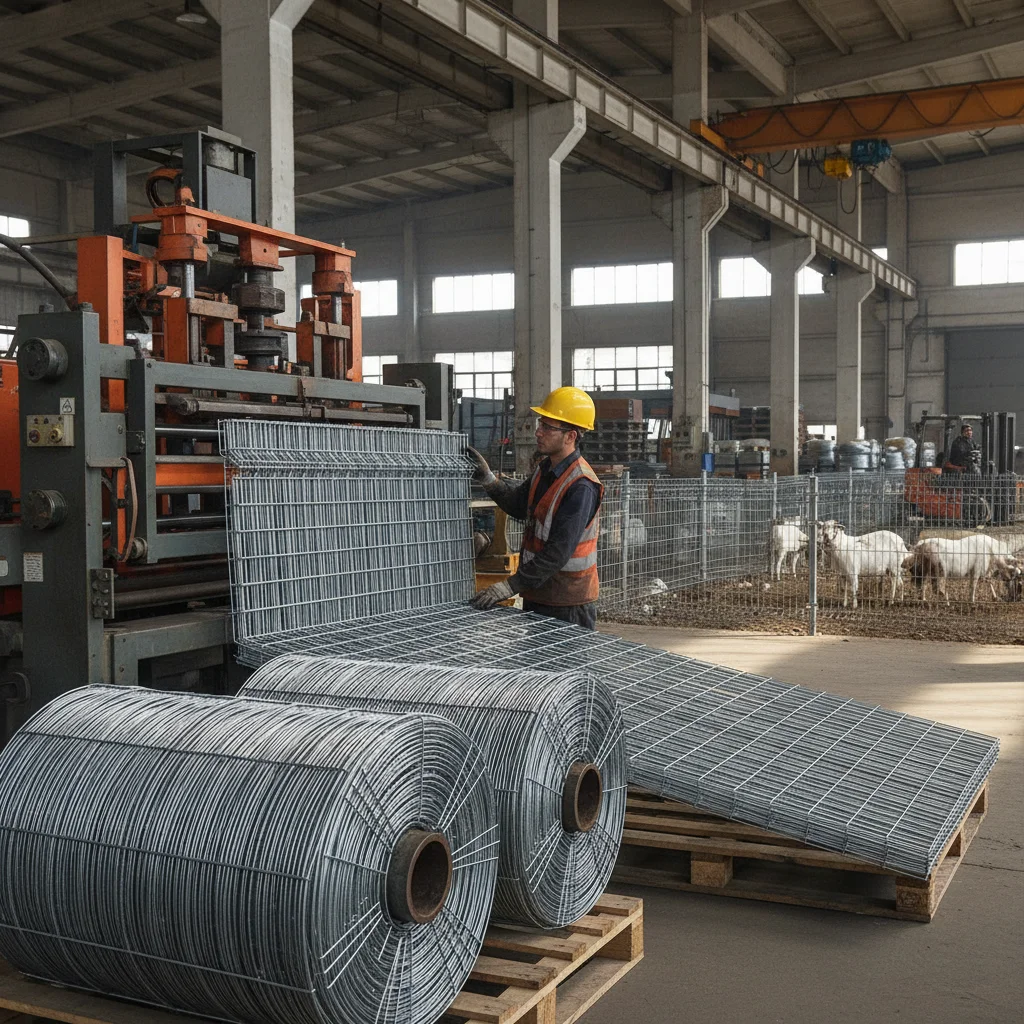
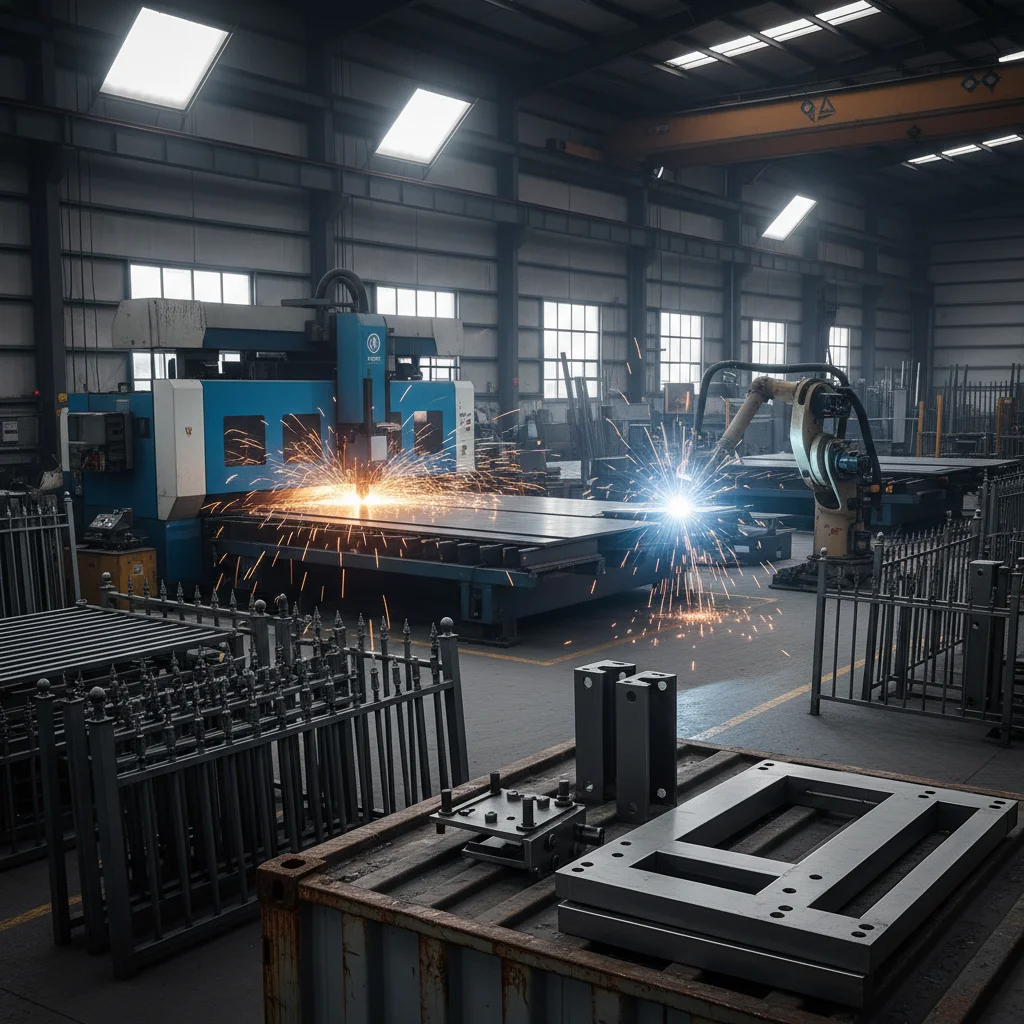
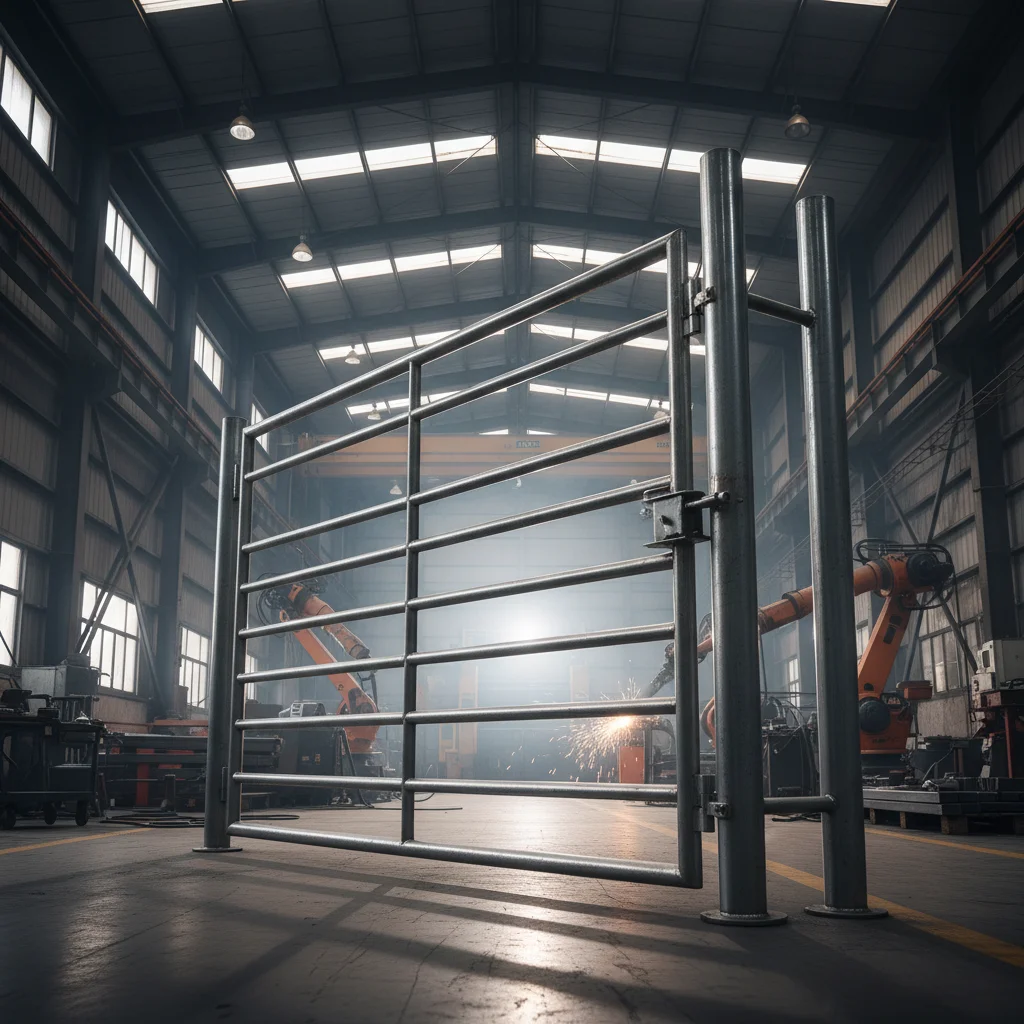
The selection of a high-quality Fence Metal Panel is a critical decision for any property owner seeking a balance between uncompromising security and architectural elegance. In the modern landscape of structural metal fabrication, these panels have evolved from simple barriers into sophisticated engineering solutions that protect assets while enhancing the visual appeal of residential and industrial spaces.
Across the globe, the demand for durable perimeter solutions is rising as urbanization increases and the need for defined boundary management becomes more pressing. Whether it is for a private estate or a high-security industrial facility, the versatility of the metal panel allows for customization in height, thickness, and finish, ensuring that every installation meets specific safety standards and environmental challenges.
Understanding the nuances of material composition, coating technologies, and installation methods is essential for maximizing the lifespan of your investment. By prioritizing high-grade alloys and corrosion-resistant finishes, a professional Fence Metal Panel system provides a sustainable, low-maintenance alternative to traditional wood or vinyl fencing, offering long-term peace of mind.

Global Industry Context of Fence Metal Panels
The global structural metal manufacturing sector has seen a significant shift toward modularity, with the Fence Metal Panel emerging as a primary component in urban infrastructure. According to industry standards aligned with ISO quality management, the precision of laser-cutting and robotic welding has allowed for the mass production of panels that are both structurally sound and aesthetically consistent, reducing waste and installation time across large-scale projects.
However, the industry faces a persistent challenge: the battle against environmental degradation. In coastal regions or highly polluted industrial zones, standard metal barriers often succumb to oxidation and corrosion. This has driven a global surge in the adoption of advanced powder coatings and galvanization processes, ensuring that boundary solutions can withstand extreme weather conditions without requiring frequent and costly replacements.
Defining the Modern Fence Metal Panel
At its core, a Fence Metal Panel is a prefabricated structural unit made from aluminum, steel, or wrought iron, designed to be integrated into a larger fencing system. Unlike traditional picket fences, these panels are engineered as cohesive modules that distribute weight and impact stress evenly across the supporting posts, providing superior rigidity and stability.
In the context of modern industry, these panels represent a fusion of security and design. They are no longer viewed merely as "walls" but as architectural elements that define the character of a space. From the sleek lines of aluminum privacy panels to the ornate details of ornamental steel, the metal panel serves the humanitarian need for safety, privacy, and the protection of private and public property.
The shift toward "smart" manufacturing means that today's panels are often produced with tight tolerances, allowing for seamless interlocking mechanisms. This evolution minimizes the reliance on excessive fasteners and welding on-site, making the deployment of a Fence Metal Panel system faster and more cost-effective than ever before.
Core Components and Engineering Factors
Durability is the primary benchmark for any Fence Metal Panel. The choice between aluminum and steel often depends on the specific environmental exposure; aluminum offers natural corrosion resistance and lightweight handling, while steel provides unmatched tensile strength and impact resistance for high-security perimeters.
Scalability and modularity are what make the Fence Metal Panel so effective for diverse applications. By utilizing a standardized panel width and height, contractors can quickly adapt the perimeter length to fit irregular terrain or expanding facility footprints without needing custom-fabricated pieces for every section.
Finally, cost-efficiency is achieved through the reduction of long-term maintenance. When a Fence Metal Panel is treated with a high-grade fluorocarbon coating or hot-dip galvanization, the lifecycle cost drops significantly compared to wood, which requires staining and painting every few years to prevent rot.
Global Applications and Use Cases
Real-world applications of the Fence Metal Panel span across multiple continents and industries. In North American residential sectors, aluminum privacy panels are widely used to create secluded backyard sanctuaries that comply with local zoning laws while providing a modern look. In Europe, ornamental steel panels are often integrated into heritage sites to maintain historical aesthetics while providing modern security.
Beyond residential use, these panels are indispensable in industrial zones. For instance, in remote mining operations or logistics hubs, heavy-duty steel panels are deployed to secure vast perimeters against unauthorized access and wildlife. In urban "crowd control" scenarios, temporary metal panels are used by municipal organizations to manage pedestrian flow during large-scale public events, ensuring safety and order.
Comparative Performance of Fence Metal Panel Materials
Long-Term Value and Strategic Advantages
The tangible benefits of investing in a Fence Metal Panel system extend far beyond the initial installation. From a logical perspective, the high strength-to-weight ratio of modern alloys means that fewer support posts are required over long distances, reducing material costs and labor hours. Sustainably, metal is infinitely recyclable, making it a far more eco-friendly choice than chemically treated lumber.
Emotionally, a secure perimeter provides a sense of dignity and safety for the inhabitants of a property. Whether it is a parent knowing their children are safe in a fenced yard or a business owner trusting that their inventory is secure, the reliability of a metal panel fosters trust. This intersection of psychological security and physical robustness creates an enduring value that increases the overall market appraisal of the property.
Future Trends in Metal Fencing Innovation
The future of the Fence Metal Panel is being shaped by the digital transformation of manufacturing. We are seeing the rise of AI-driven generative design, which allows engineers to create panels with organic, lightweight structures that maintain maximum strength while using 20% less raw material. This "topology optimization" is paving the way for a new era of sustainable architectural fencing.
Furthermore, the integration of "smart" technology is becoming a reality. Future metal panels may incorporate embedded sensors for perimeter intrusion detection or integrated LED lighting systems that activate via motion, merging structural security with electronic surveillance. This shift transforms the fence from a passive barrier into an active security asset.
Sustainability policies are also pushing the industry toward "Green Steel" and recycled aluminum. By utilizing hydrogen-based smelting processes and closed-loop recycling, the carbon footprint of producing a Fence Metal Panel is plummeting, aligning industrial growth with global environmental goals.
Overcoming Common Implementation Challenges
One of the most common limitations in current practice is the difficulty of installing a Fence Metal Panel on uneven or sloping terrain. Traditional rigid panels can leave unsightly gaps at the bottom. To solve this, professional installers now utilize "stepped" or "racked" installation techniques, where panels are shifted incrementally to follow the contour of the land without compromising structural integrity.
Another challenge is the potential for wind-loading issues, where solid privacy panels act like sails during storms, putting immense pressure on the posts. The expert solution involves the use of perforated designs or strategic spacing between slats, which allows wind to pass through the Fence Metal Panel while still maintaining the desired level of privacy and security.
Lastly, the issue of surface scratching during transport and installation can lead to premature corrosion. The industry has responded by implementing high-performance "self-healing" powder coatings that can close small abrasions when exposed to heat, ensuring that the protective layer remains intact throughout the life of the product.
Comparison of Fence Metal Panel Specifications and Suitability
| Material Type | Corrosion Resistance | Impact Strength | Primary Use Case |
|---|
| Aluminum Alloy | High (Natural) | Moderate | Residential Privacy |
| Galvanized Steel | Very High | High | Industrial Perimeters |
| Wrought Iron | Moderate | Very High | Ornamental Security |
| Powder-Coated Steel | High | High | Commercial Parks |
| Stainless Steel | Extreme | Very High | Coastal Facilities |
| Composite Metal | High | Moderate | Architectural Accents |
FAQS
The choice depends on your priorities. If you are in a coastal area or prioritize low maintenance and ease of installation, aluminum is ideal due to its natural rust resistance. However, if your primary goal is maximum security, impact resistance, and deterrence against intruders, steel is the superior choice. Many modern projects use a hybrid approach, utilizing steel for the main perimeter and aluminum for decorative internal sections.
Yes, absolutely. There are two professional methods for this: "stepping" and "racking." Stepping involves installing the panels in a stair-step pattern, which is common for high-security steel fences. Racking involves slightly adjusting the angle of the panel to follow the ground's slope, which is more common for aluminum and ornamental fences. Both ensure a clean look without leaving large gaps at the base.
With proper treatment, a high-quality Fence Metal Panel can last between 20 to 50 years. Aluminum panels typically last 30+ years with almost no maintenance. Galvanized or powder-coated steel panels can last 20-40 years depending on the environmental acidity and the thickness of the coating. Regular inspections for scratches or chips in the paint can help extend this lifespan by allowing for quick touch-ups.
The initial upfront cost of a Fence Metal Panel is generally higher than pressure-treated wood or standard PVC. However, when you calculate the "Total Cost of Ownership," metal is often cheaper. Wood requires painting or staining every 2-3 years and is prone to rot and termites. PVC can become brittle over time in extreme UV exposure. Metal's durability and lack of recurring maintenance costs make it a more economical long-term investment.
Thanks to modern modular design, installation is significantly easier than in the past. Most systems use a "bracket and slot" mechanism where panels slide into pre-installed posts. While a professional installer is recommended for ensuring the posts are perfectly plumb and the foundation is concrete-secure, the assembly of the panels themselves is straightforward and requires far less on-site welding or cutting than traditional fencing.
Prevention starts with selecting the right coating. Ensure your Fence Metal Panel is either hot-dip galvanized or powder-coated. For maximum protection, look for a "duplex system" (galvanizing followed by powder coating). On a day-to-day basis, simply keeping the fence free of organic debris (like wet leaves) and touching up any deep scratches with a matching zinc-rich primer will prevent oxidation from spreading.
Conclusion
In summary, the Fence Metal Panel represents the pinnacle of modern perimeter security, blending industrial strength with architectural versatility. By understanding the core trade-offs between materials, leveraging modular installation techniques, and staying abreast of innovations in coating and design, property owners can secure their assets while simultaneously increasing the aesthetic value of their land. The shift toward sustainable, recyclable metals further ensures that these solutions are compatible with a greener future.
As we look forward, the integration of smart technology and AI-optimized fabrication will continue to refine the performance of metal fencing. We suggest that any serious buyer prioritize the quality of the finish and the reputation of the manufacturer over the lowest initial price to ensure a maintenance-free experience. For those seeking premium, engineered boundary solutions that stand the test of time, we invite you to explore our professional range. Visit our website: www.sdfencecompany.com