Hit enter to search or ESC to close
April 09, 2026
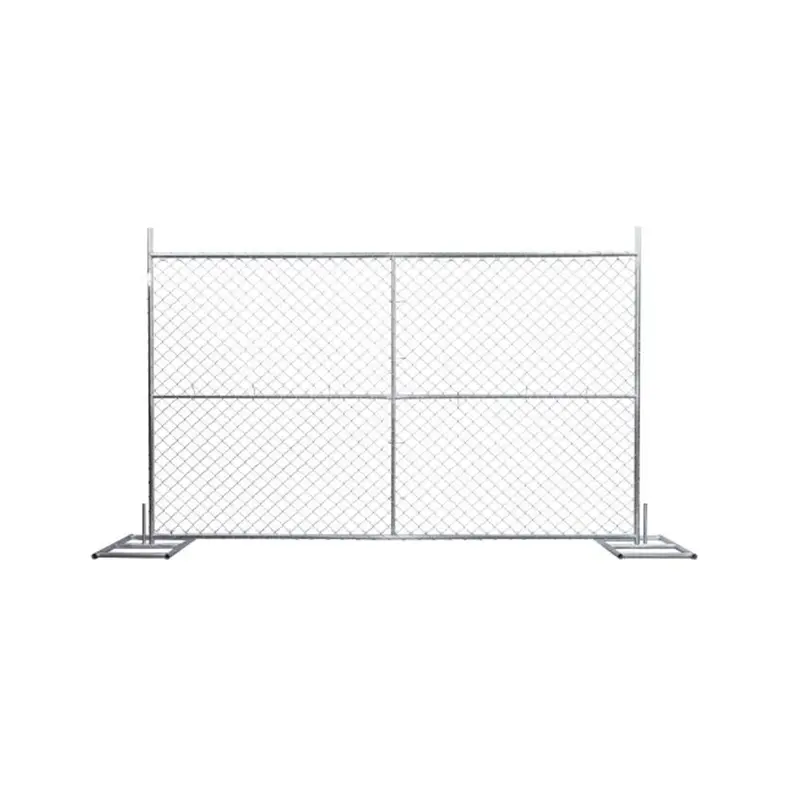
Managing livestock requires a balance of security, durability, and efficiency. A high-quality Corral Fence Panel is the cornerstone of any successful ranch or farm operation, providing the necessary containment to keep animals safe and handlers secure. Whether you are building a temporary sorting pen or a permanent holding area, the materials and design of your fencing significantly impact the longevity of your investment. In this guide, we will explore the essential factors to consider when selecting panels, from material strength to installation ease, ensuring you make an informed decision for your agricultural needs.
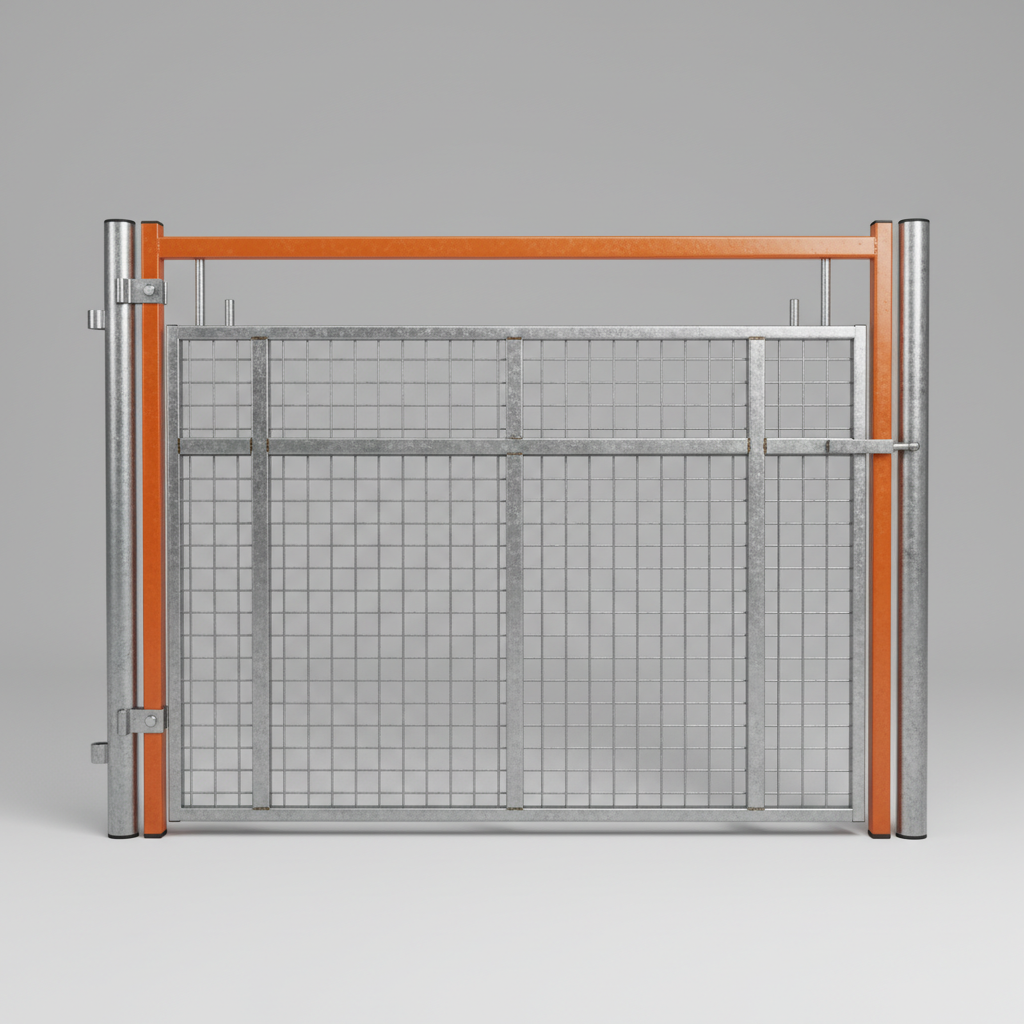
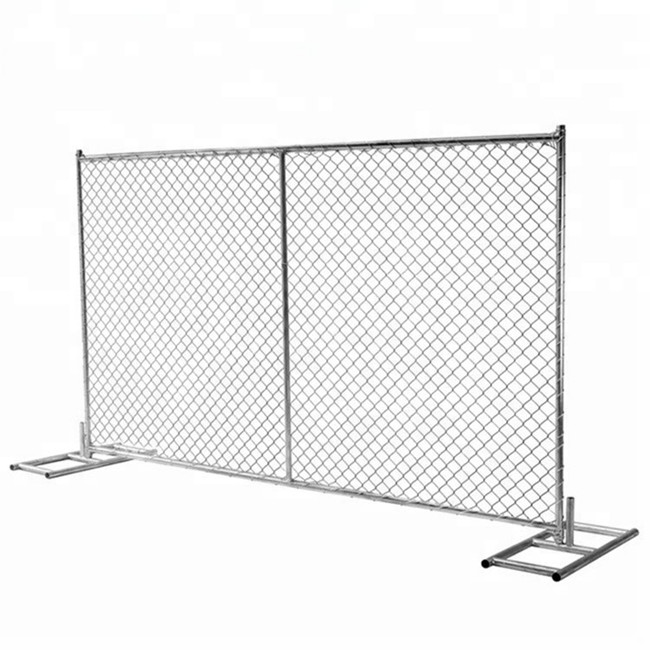
The environment of a livestock pen is harsh; animals lean on fences, weather conditions fluctuate, and corrosion is a constant threat. Using a professional Corral Fence Panel made from galvanized steel ensures that your perimeter remains intact for years. Galvanization protects the steel from rust, which is critical in humid or rainy climates. Furthermore, the gauge of the steel determines the panel's ability to withstand the pressure of heavy cattle. Investing in heavy-duty tubing prevents bending and warping, reducing the need for frequent repairs and ensuring the safety of your herd.
Pro Tip: Always check the zinc coating thickness of your panels. A thicker galvanized layer provides superior long-term protection against oxidation and environmental wear.
Not all panels are created equal. Depending on the type of livestock—whether it's agile goats or powerful bulls—the design of the Corral Fence Panel must vary. Tubular panels offer a clean, modern look and are generally easier to assemble, while traditional rail panels might provide more rigidity in specific high-pressure areas. Understanding the trade-offs between weight, strength, and portability allows farmers to optimize their layout for better animal flow and easier management.
A fence is only as strong as its installation. When setting up your Corral Fence Panel system, ensure the ground is level to prevent panels from leaning or creating gaps that livestock could exploit. Using heavy-duty pins or interlocking locking mechanisms allows for flexibility if you need to relocate the pens. For permanent installations, anchoring the corner panels with concrete or deep-driven posts is essential to handle the lateral pressure exerted by animals during feeding or sorting.
The layout of your pens can either streamline your daily chores or create bottlenecks that stress the animals. By utilizing a modular Corral Fence Panel system, you can easily create alleyways and sorting chutes. This modularity is a game-changer for expanding operations, as you can add sections without tearing down existing structures. Proper spacing between rails prevents calves from slipping through while ensuring enough visibility for the handler to monitor the herd effectively.
When purchasing, it is vital to look at the technical specifications to ensure the product meets industrial livestock standards. The diameter of the tubing, the wall thickness, and the overall height of the panel determine the safety rating. A standard Corral Fence Panel usually adheres to specific weight-bearing capacities to prevent collapse under load. Below are the typical specifications found in premium cattle panels.
Even the toughest Corral Fence Panel requires periodic maintenance to ensure maximum safety. Regularly inspect the connection pins for wear and tear, as these are the most likely points of failure. If you notice any surface scratches in the galvanization, a quick application of cold-galvanizing spray can prevent rust from spreading. Keeping the area around the fence posts clear of excessive debris also prevents moisture from trapping against the steel, extending the life of your corral.
Investing in a high-quality Corral Fence Panel is more than just a purchase; it is an investment in the safety of your livestock and the efficiency of your farm. By choosing galvanized steel and a modular design, you ensure a durable, adaptable, and low-maintenance solution. Don't settle for subpar materials that lead to frequent failures—choose professional-grade fencing that stands the test of time and weather. Secure your herd and streamline your operations today.
Hot-dipped galvanization involves submerging the entire steel panel into a bath of molten zinc, creating a thick, durable layer of protection that is highly resistant to corrosion. Electro-galvanization uses an electric current to apply a much thinner layer of zinc. For a Corral Fence Panel used outdoors with livestock, hot-dipped galvanization is strongly recommended as it can withstand the elements and animal contact for decades, whereas electro-galvanized steel may rust much sooner.
Yes, one of the primary benefits of a modular Corral Fence Panel system is its portability. Most modern panels use a pin-and-sleeve connection, allowing you to disassemble the panels in minutes without the need for power tools. This makes it easy to rotate pastures, create temporary holding areas for veterinary checks, or relocate your entire operation to a different part of the property.
Panel height depends entirely on the animal species and their size. For sheep or goats, 48 inches is often sufficient. For standard cattle, 54 to 60 inches is common. If you are dealing with larger bulls or jumpers, 66 inches or higher is advised to prevent escapes. We recommend measuring your largest animal at the shoulder and adding a safety margin to choose the correct Corral Fence Panel height.
Absolutely. Tubular Corral Fence Panel systems are significantly safer because they eliminate the risk of lacerations and entanglement associated with barbed wire. They provide a smooth surface that reduces injury during animal movement and sorting. While barbed wire may be suitable for vast perimeter boundaries, tubular panels are the industry standard for high-traffic areas like corrals and pens where animal safety is the priority.
Leave Us a Message


If you are interested in our products, you can choose to leave your information here, and we will be in touch with you shortly.