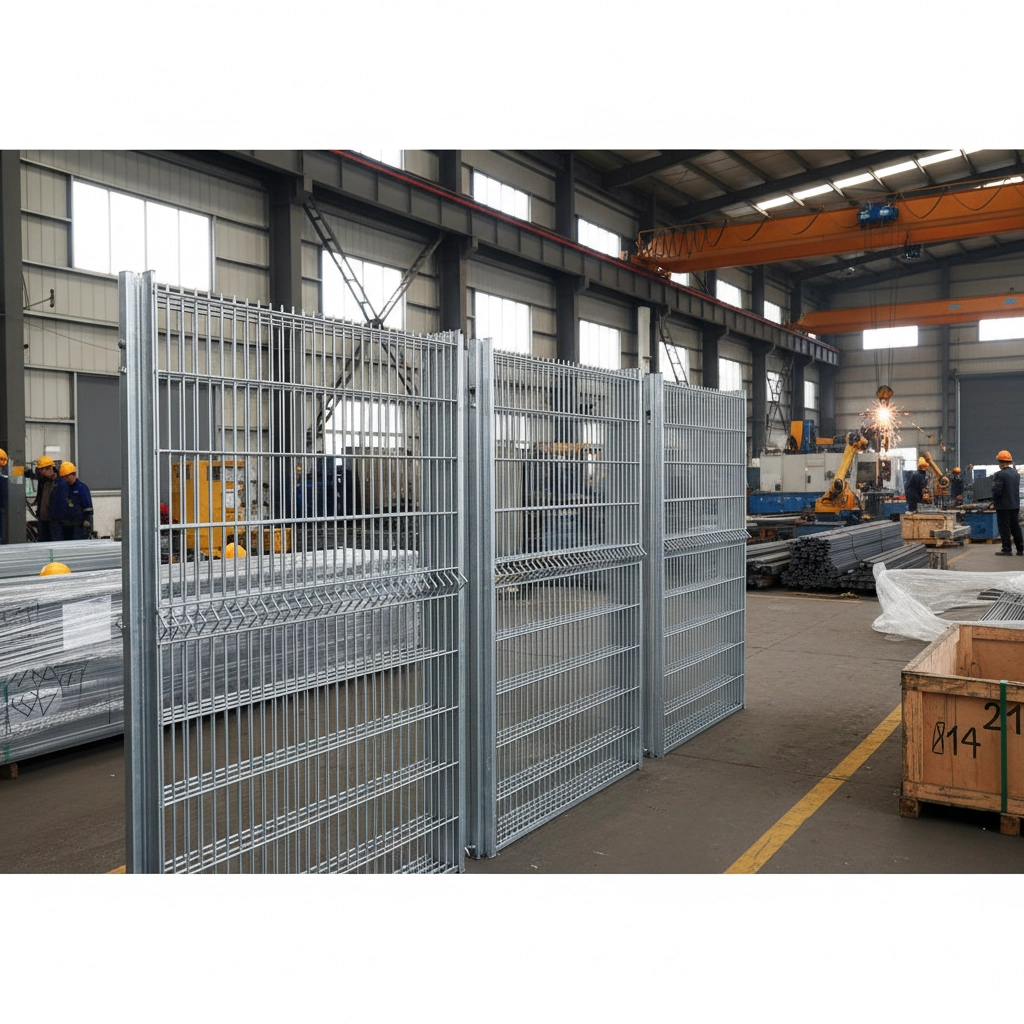
The global landscaping and outdoor structural market is witnessing a significant shift toward high-durability materials that can withstand volatile weather patterns. Among these, the integration of structural supports and boundary solutions has evolved, leading many to evaluate the efficiency of various materials, including the widespread use of Plastic Fencing Panels in residential and commercial zoning.
Maintaining the balance between aesthetic appeal and structural integrity is a primary challenge for modern architects and homeowners alike. While traditional wood and metal have their place, the demand for low-maintenance, weather-resistant alternatives has pushed the industry toward innovative composite and polymer-based solutions that offer longevity without the need for constant painting or sealing.
When considering a comprehensive garden upgrade, it is essential to distinguish between decorative supports and boundary markers. While some seek the utility of Plastic Fencing Panels for privacy or animal containment, others prioritize the elegance of steel garden trellises to elevate their vertical greenery, ensuring that every element of the outdoor space serves both a functional and visual purpose.

The Global Industry Context of Plastic Fencing Panels
In the contemporary construction and landscaping sector, the demand for versatile boundary solutions has increased exponentially. International standards, such as those outlined by ISO for building materials, emphasize the need for sustainability and corrosion resistance, which has placed Plastic Fencing Panels at the forefront of urban planning and private garden design.
The shift is largely driven by the high cost of maintaining traditional timber and the susceptibility of untreated metals to oxidation in coastal or high-humidity regions. By adopting synthetic polymer panels, industries are reducing the lifecycle cost of perimeter security and decorative barriers, allowing for faster installation and significantly lower maintenance overhead.
Defining Modern Plastic Fencing Panels and Their Purpose
Plastic Fencing Panels are modular structural elements manufactured from high-density polyethylene (HDPE), polyvinyl chloride (PVC), or recycled composites. Unlike traditional fencing, these panels are engineered to be impervious to moisture, insects, and rot, making them an ideal choice for areas where environmental stress is high and aesthetic consistency is required over several decades.
From a technical perspective, these panels serve as a critical intersection between security and landscaping. They provide a physical barrier that can be customized in height, color, and opacity, catering to needs ranging from full privacy screens to open-air garden borders. This flexibility allows them to be integrated into various architectural styles, from modern minimalist to classic suburban.
Beyond simple boundaries, these systems are often utilized to address humanitarian and industrial needs, such as creating temporary animal enclosures or organizing high-traffic public spaces. The ease of deployment makes them superior to fixed-concrete structures in scenarios where agility and rapid reconfiguration are paramount.
Core Components Affecting the Quality of Plastic Fencing Panels
One of the most critical factors in the performance of Plastic Fencing Panels is the UV-stabilization process. Without high-grade UV inhibitors, synthetic materials can become brittle and fade under prolonged exposure to direct sunlight, which is why premium panels utilize advanced polymer blending to maintain color depth and structural flexibility.
The internal reinforcement of Plastic Fencing Panels also determines their wind-load capacity. Many high-end panels incorporate internal steel or aluminum ribs, combining the corrosion resistance of plastic with the rigidity of metal. This hybrid approach ensures that the panels do not warp or bow when subjected to heavy wind pressure or physical impact.
Furthermore, the interlocking mechanism used in Plastic Fencing Panels plays a vital role in the overall stability of the installation. Precision-engineered tongue-and-groove systems allow for a seamless fit that prevents gaps and ensures a watertight seal, which is essential for maintaining privacy and preventing the ingress of small animals or debris.
Global Applications and Use Cases for Plastic Fencing Panels
Across North America and Europe, Plastic Fencing Panels are extensively used in residential backyards to create private sanctuaries. The ability to choose from various textures—including faux-wood grains—allows homeowners to achieve a natural look without the risk of termite infestations or the need for annual staining.
In industrial and agricultural zones, these panels are employed to create hygienic livestock barriers and containment areas. Because they can be easily sanitized with water and mild detergents, they are preferred in food-processing perimeters and animal shelters where maintaining a sterile environment is a regulatory requirement.
Comparative Performance of Plastic Fencing Panels Varieties
Long-Term Value and Advantages of Plastic Fencing Panels
The primary value proposition of Plastic Fencing Panels lies in their exceptional lifecycle cost-efficiency. While the initial investment may be higher than low-grade timber, the total cost of ownership is significantly lower due to the absence of painting, sanding, and chemical treatment costs. This makes them a logically sound investment for both property managers and residential owners.
Moreover, the psychological benefit of "install and forget" provides a sense of security and reliability. Knowing that the boundary will not rot during a rainy season or crack during a freeze ensures a consistent level of privacy and safety, enhancing the overall dignity and aesthetic value of the property.
Future Trends and Innovations in Plastic Fencing Panels
The future of Plastic Fencing Panels is inextricably linked to the circular economy. We are seeing a surge in the development of "ocean-bound plastic" panels, where recycled marine debris is transformed into high-strength fencing, turning an environmental pollutant into a structural asset.
Digital transformation is also playing a role, with the introduction of smart-integrated panels. Some manufacturers are experimenting with embedding sensors within the plastic matrix to monitor perimeter breaches or integrate low-voltage LED lighting directly into the panel frame for enhanced night-time safety.
Additionally, the shift toward "bioplastics" is gaining momentum. Researchers are developing polymers derived from cornstarch or sugarcane that offer the same durability as traditional plastics but are fully biodegradable at the end of their 30-year lifecycle, reducing the long-term footprint of the construction industry.
Challenges and Solutions for Plastic Fencing Panels Implementation
One common challenge associated with Plastic Fencing Panels is the perception of "plasticity" or a lack of luxury compared to natural stone or hardwood. To overcome this, manufacturers have developed advanced embossing techniques that replicate the cellular structure of wood, providing a tactile experience that is indistinguishable from the real thing.
Another technical limitation is thermal expansion. Synthetic materials expand and contract more than steel or concrete, which can lead to warping if not installed correctly. The professional solution is the implementation of expansion joints and flexible mounting brackets that allow the panels to breathe without compromising the straightness of the fence line.
Finally, the issue of impact resistance in extreme cold is addressed through the use of impact-modified polymers. By adding elastomeric modifiers to the PVC or HDPE mix, panels can maintain their flexibility and impact strength even in sub-zero temperatures, preventing the shattering often associated with low-quality plastics.
Analysis of Plastic Fencing Panels Performance Metrics
| Material Type | Durability Score (1-10) | Maintenance Level | Eco-Friendliness |
|---|
| Standard PVC | 7 | Very Low | Moderate |
| High-Density Poly (HDPE) | 8 | Low | High |
| WPC Composite | 9 | Low | Very High |
| Steel-Reinforced Plastic | 10 | Low | Moderate |
| Recycled Plastic | 6 | Moderate | Excellent |
| UV-Stabilized Polymer | 9 | Very Low | Moderate |
FAQS
While low-quality plastics can fade, professional-grade Plastic Fencing Panels are treated with high-concentration UV stabilizers. These additives absorb harmful ultraviolet rays and prevent the polymer chains from breaking down, ensuring that the color remains vibrant and the material stays flexible for many years, even in high-sun environments.
In terms of raw tensile strength, high-quality hybrid Plastic Fencing Panels—especially those with internal metal reinforcement—often exceed the strength of standard treated pine. Furthermore, they do not suffer from internal rot or termite damage, which means their structural integrity remains constant over time, unlike wood which weakens as it decays.
One of the greatest advantages of these panels is the minimal maintenance required. For most users, a simple rinse with a garden hose or a wipe-down with soapy water is sufficient to remove dirt and grime. There is no need for sanding, painting, or sealing, which saves significant time and money over the life of the fence.
Yes, these systems are typically designed for versatility. By using a "stepped" installation method, panels can be adjusted to follow the contour of the land. Because the panels are modular, installers can easily customize the post height and panel placement to ensure a secure and visually appealing fit on slopes.
Many modern Plastic Fencing Panels are made from recycled HDPE or WPC (Wood Plastic Composite), which diverts plastic waste from landfills. Additionally, because they require no toxic chemical stains or preservatives (which can leach into the soil), they are often a more environmentally responsible choice for the local ecosystem than treated lumber.
Depending on the material and installation quality, high-end Plastic Fencing Panels typically last between 20 to 50 years. Their resistance to moisture, biological pests, and chemical corrosion ensures that they far outlast traditional wood and require significantly fewer repairs than painted metal systems.
Conclusion
In summary, the adoption of Plastic Fencing Panels represents a strategic shift toward durability, efficiency, and low-maintenance landscaping. By combining advanced polymer science with structural engineering, these panels solve the age-old problems of rot, corrosion, and high upkeep, providing a reliable boundary solution that serves residential, industrial, and agricultural needs globally.
As we move toward a more sustainable future, the integration of recycled materials and smart technology into fencing will only increase the value of these systems. For those looking to enhance their property's curb appeal while ensuring long-term structural reliability, investing in high-quality synthetic boundary solutions is a forward-thinking choice. Visit our website for more professional solutions: www.sdfencecompany.com