Securing a perimeter effectively requires a balance between structural integrity and cost-efficiency, which is where Wire Fence Panels become an essential tool for modern infrastructure. Whether for industrial zoning, residential boundary marking, or high-security government facilities, these prefabricated systems provide a rapid deployment solution that doesn't compromise on strength. Understanding the nuances of wire gauge, coating materials, and panel design is critical for anyone looking to optimize their site security.
On a global scale, the demand for standardized Wire Fence Panels has surged due to the rapid expansion of urban logistics centers and the need for scalable containment solutions. From the rigorous ISO standards governing steel tensile strength to the environmental requirements for anti-corrosion coatings, the engineering behind these panels has evolved to meet extreme climatic challenges, from humid coastal regions to arid desert environments.
By integrating these panels into a broader security strategy, property managers can achieve a seamless blend of visibility and protection. The shift toward modularity allows for easy replacement and expansion, ensuring that as a facility grows, its security perimeter can adapt without requiring a complete overhaul. This guide explores the technical specifications, application versatility, and future innovations of high-performance wire fencing.
Global Industry Context of Wire Fence Panels
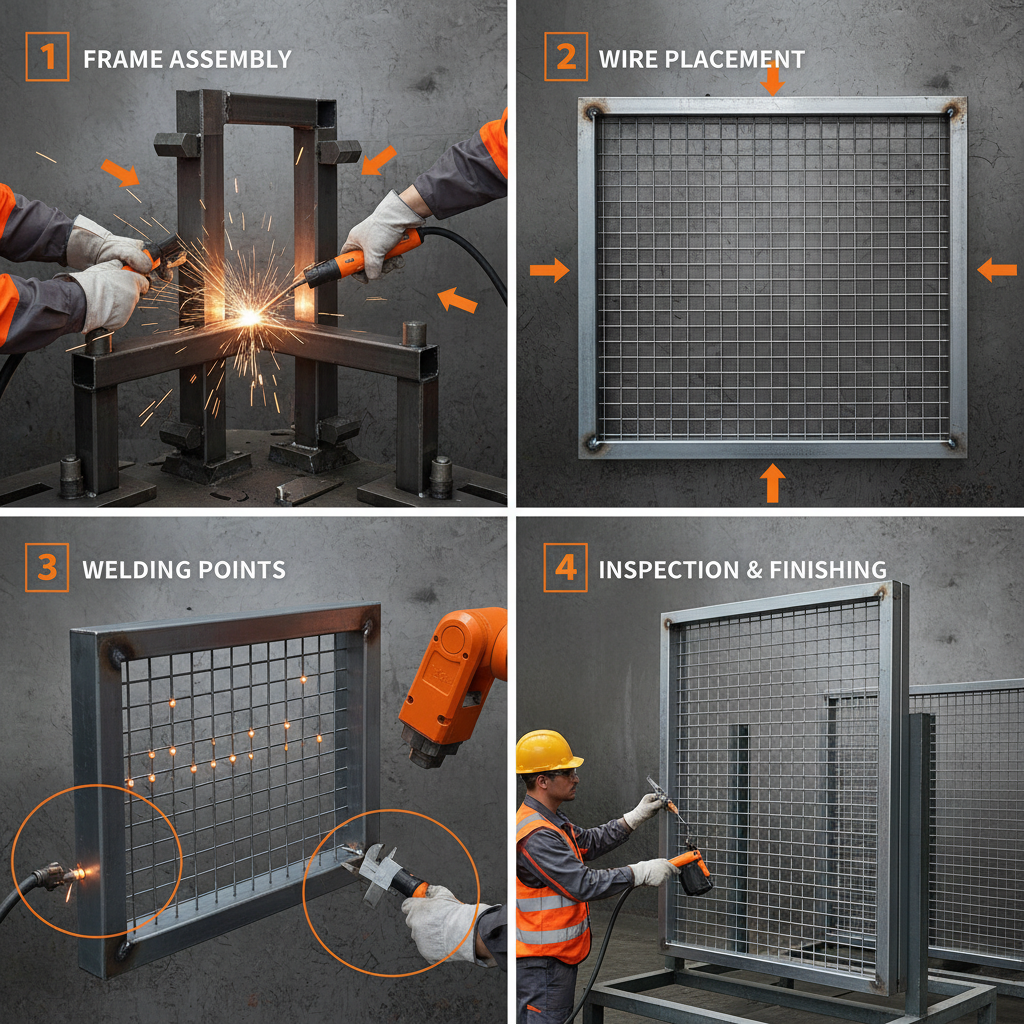
The global market for Wire Fence Panels is currently driven by an unprecedented increase in industrialization and the tightening of international security protocols. According to industry trends aligned with ISO 9001 standards, the precision of automated welding in panel production has reduced material waste by nearly 15%, allowing for stronger structures at a lower cost. This systemic shift is particularly evident in developing economies where rapid urban sprawl necessitates immediate and durable boundary solutions.
However, the industry faces a persistent challenge: the battle against environmental degradation. Traditional galvanized coatings often fail prematurely in high-salinity coastal areas, leading to structural compromise. This has pushed manufacturers toward advanced powder-coating and polymer-based encapsulations, transforming the humble wire panel into a high-tech barrier capable of resisting corrosion for decades.
Defining Modern Wire Fence Panels
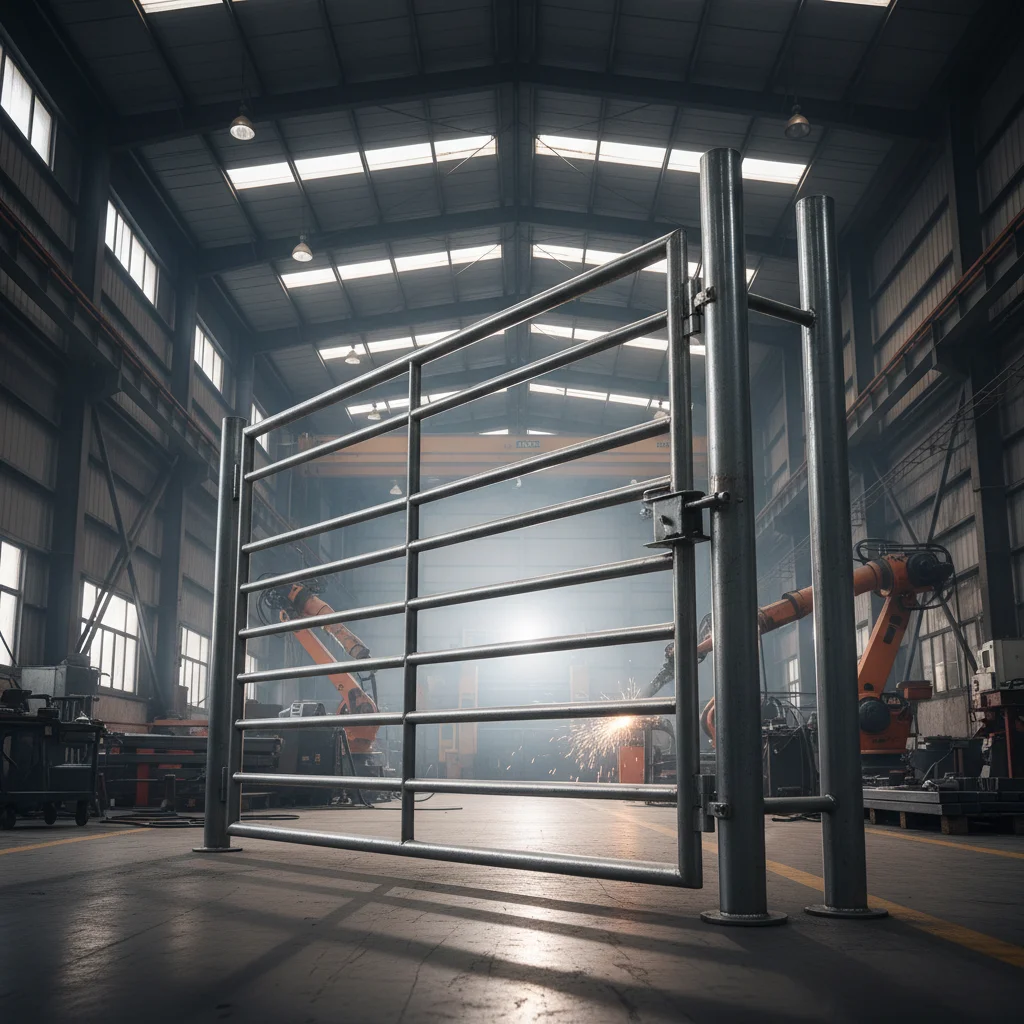
At its core, Wire Fence Panels refer to prefabricated structural grids made from intersecting steel or aluminum wires, welded together at precise intervals to create a rigid, secure screen. Unlike traditional woven wire, these panels are manufactured in a factory setting, ensuring uniform tension and gap sizes, which prevents intruders from finding weak points in the mesh.
In the context of modern industry, these panels serve as more than just boundaries; they are critical components of safety management systems. Whether it is the use of "3D" bent-top panels for added rigidity or flat-grid panels for minimalist aesthetics, the design is engineered to distribute impact force across the entire panel surface, reducing the likelihood of localized breakthroughs.
From a humanitarian and social perspective, the accessibility of these systems allows for the rapid demarcation of safe zones in disaster-relief camps or the protection of agricultural assets in rural communities. Their ability to be transported in flat-packs and assembled with minimal tools makes them a cornerstone of global logistics and temporary infrastructure.
Key Factors for High-Performance Panels
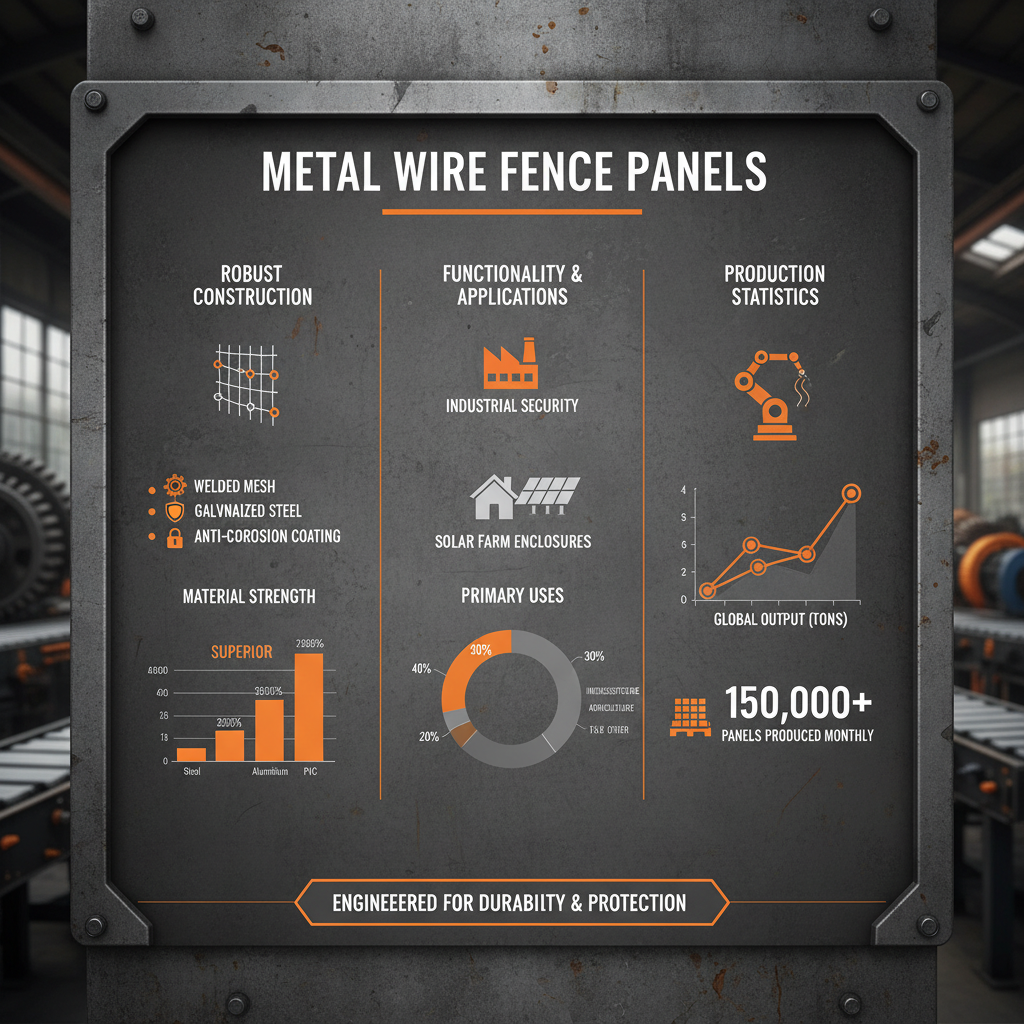
The durability of Wire Fence Panels is primarily determined by the raw material grade and the zinc-coating thickness. High-tensile steel is the industry standard, but the real value lies in the galvanization process—whether hot-dipped or electro-galvanized—which dictates how the fence will perform against oxidation over a 10-to-20-year lifecycle.
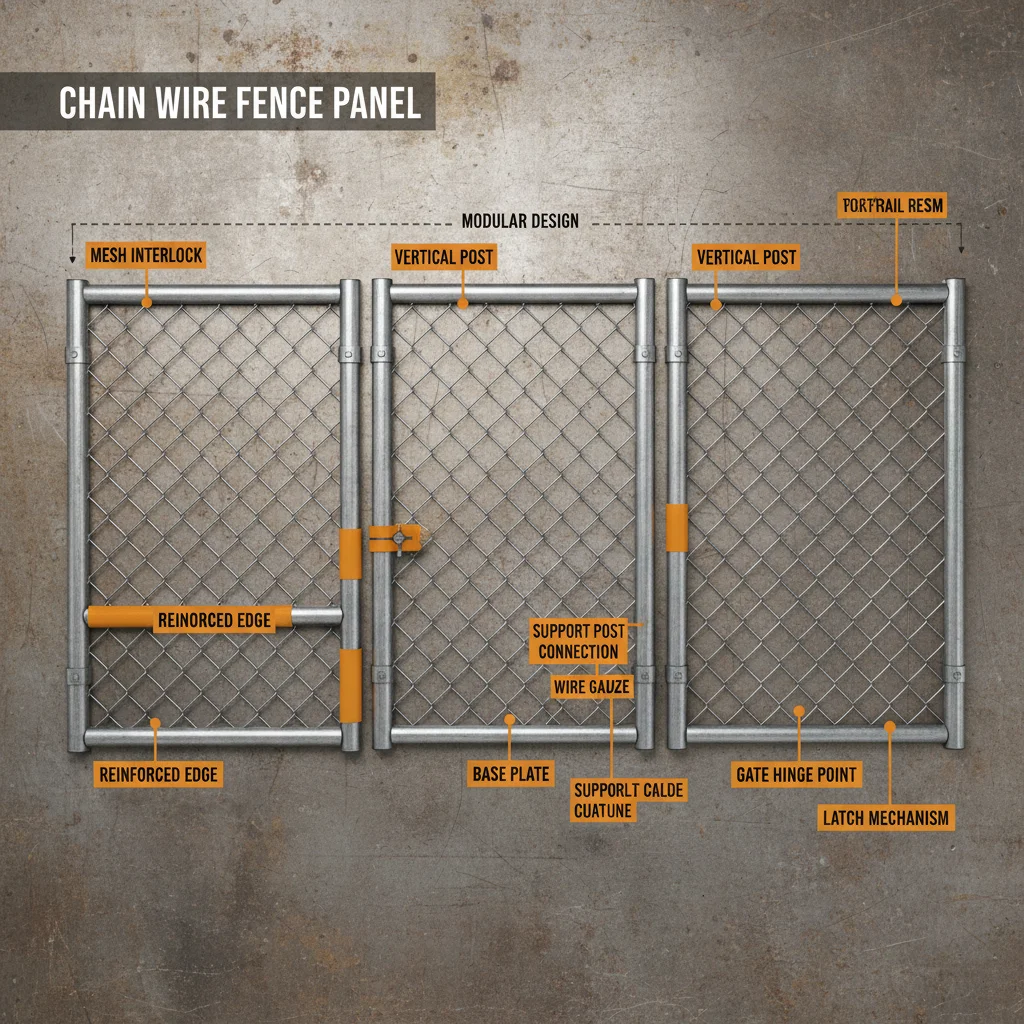
Scalability and installation speed are the second most critical factors. Modular Wire Fence Panels are designed to snap into pre-installed posts using specialized clips or bolts, allowing a small crew to secure several hundred meters of perimeter in a fraction of the time required for traditional masonry or custom-welded fences.
Finally, cost-efficiency is realized not just in the purchase price, but in the reduced maintenance requirements. By selecting the correct wire gauge (the thickness of the wire) and a high-quality finish, facility managers can virtually eliminate the need for annual repainting or spot-welding, ensuring a lower total cost of ownership (TCO).
Global Applications and Use Cases
The versatility of Wire Fence Panels allows them to be deployed across diverse sectors. In industrial zones, particularly within the logistics and manufacturing hubs of Southeast Asia and North America, these panels are used to create secure loading bays and hazardous material storage areas where visibility is required for safety monitoring but physical access must be strictly controlled.
In urban planning, these systems are frequently used for "crowd control" and temporary event perimeters. For instance, during major international sporting events or city festivals, rapid-deployment panels are used to channel pedestrian traffic and protect sensitive infrastructure, proving that these systems can be both a permanent security feature and a flexible temporary tool.
Performance Comparison of Wire Fence Panels Types
Long-Term Value and Advantages
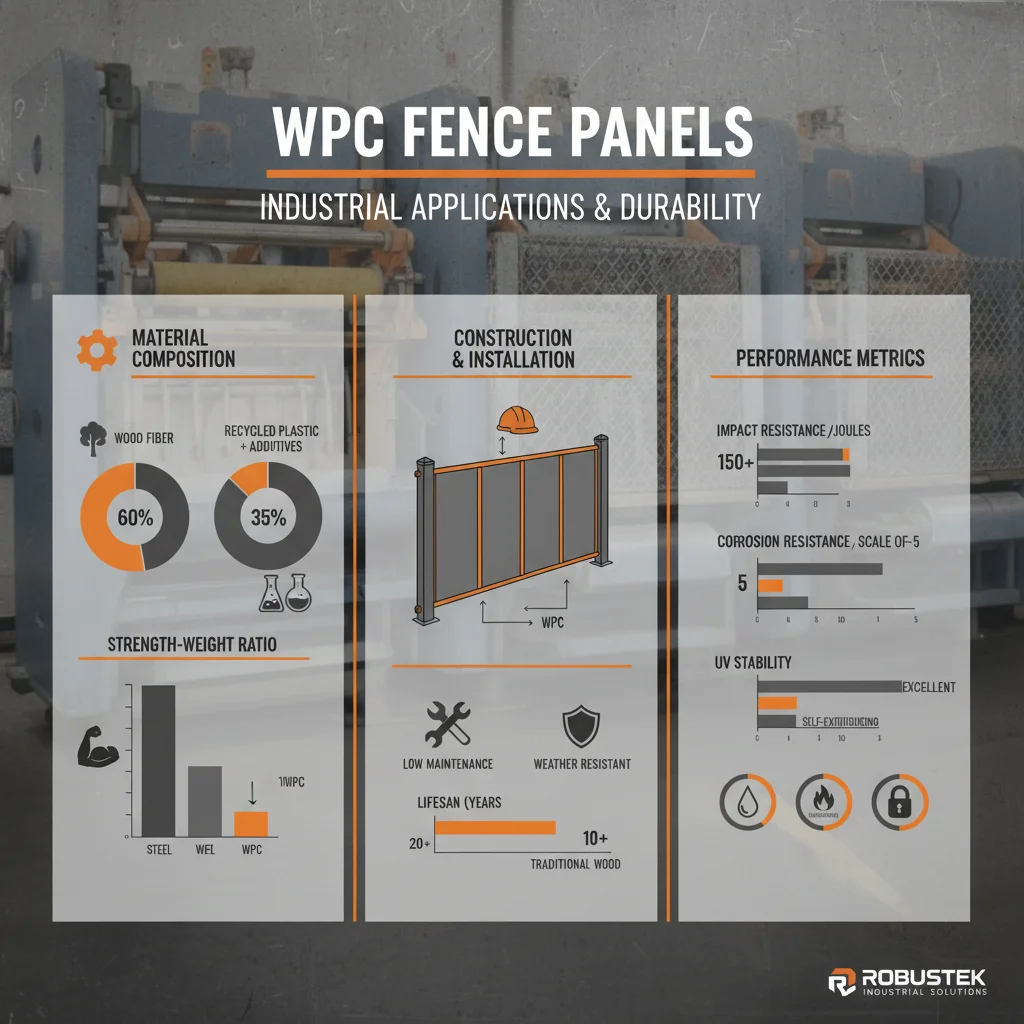
The primary advantage of investing in high-quality Wire Fence Panels is the peace of mind provided by structural reliability. Unlike wood, which rots, or low-grade chain link, which sags over time, welded wire panels maintain their geometric integrity. This reliability translates directly into safety, ensuring that restricted areas remain truly restricted and that assets are protected against unauthorized entry.
Beyond the logical benefits of security, there is a psychological impact to professional fencing. A clean, well-installed perimeter of powder-coated panels signals a level of professionalism and attention to detail that enhances the perceived value of a property. It creates a sense of order and trust, whether for a residential neighborhood or a corporate campus, blending utilitarian function with modern architectural aesthetics.
Future Trends in Wire Fencing Technology
The future of Wire Fence Panels is being shaped by the integration of "Smart Perimeter" technology. We are seeing the emergence of panels equipped with fiber-optic vibration sensors that can detect a cutting attempt or a climb in real-time, alerting security personnel to the exact panel location of the breach. This transformation from a passive barrier to an active security sensor is a game-changer for high-security installations.
Sustainability is also driving innovation in material science. The industry is moving toward "Green Steel"—produced using hydrogen instead of coal—and the use of recycled aluminum to reduce the carbon footprint of fence production. These eco-friendly materials are being paired with solar-powered lighting integrated directly into the fence posts, reducing the need for extensive electrical trenching.
Furthermore, the rise of automation in manufacturing means that custom-shaped Wire Fence Panels can now be produced with minimal lead times. Computer-aided design (CAD) allows for panels to be precision-cut to fit irregular terrain or curved boundaries, eliminating the unsightly gaps often found in standard fence installations.
Challenges and Expert Solutions
One of the most common challenges with Wire Fence Panels is the issue of "localized corrosion" at the weld points. Because the welding process can sometimes disrupt the protective zinc layer, these joints become the first point of failure. The professional solution is to utilize "post-weld galvanizing" or specialized dipping processes that ensure the weld is fully encapsulated in a protective layer.
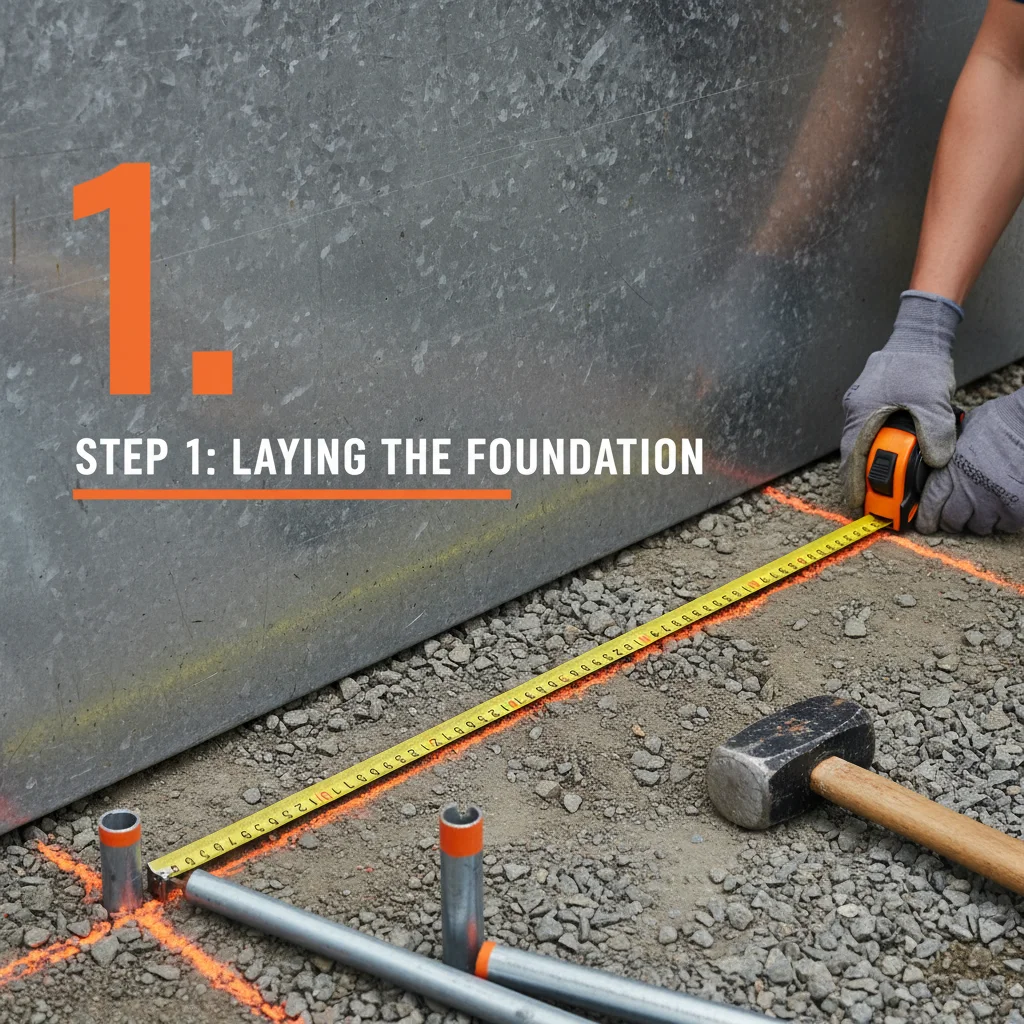
Another frequent struggle is the instability of panels on uneven or soft ground. Many installers make the mistake of using insufficient footings, leading to leaning fences. Our expert recommendation is to employ a combination of reinforced concrete footings and adjustable mounting brackets, which allow the panel to be perfectly leveled regardless of the ground's slope.
Finally, the trade-off between security and aesthetics often leaves clients dissatisfied. To solve this, the industry has introduced "privacy inserts" and "decorative cladding" that can be added to standard Wire Fence Panels. This allows a site to maintain its high-security rating while achieving a softer, more integrated look that blends with the surrounding landscape.
Comparative Analysis of Wire Fence Panel Material Specifications
| Material Type |
Corrosion Resistance |
Impact Strength |
Maintenance Level |
| Hot-Dipped Galvanized |
High |
Very High |
Low |
| PVC Coated Steel |
Very High |
High |
Medium |
| Powder Coated |
Medium-High |
High |
Low |
| Stainless Steel 304 |
Excellent |
High |
Very Low |
| Aluminum Alloy |
Excellent |
Medium |
Very Low |
| Electro-Galvanized |
Low-Medium |
High |
High |
FAQS
Welded Wire Fence Panels are created by fusing wires together at every intersection, resulting in a rigid, non-sagging structure. Woven wire, conversely, is interlaced, which offers more flexibility but is more prone to deformation and is generally easier for intruders to manipulate or "push through."
Depending on the environment, hot-dipped galvanized panels can last between 20 to 50 years. In highly corrosive coastal areas, this may drop to 10-15 years unless a secondary PVC or powder coating is applied to provide an extra layer of atmospheric protection.
Yes, Wire Fence Panels can be installed on slopes using two primary methods: "stepping," where the panels are installed in a stair-step pattern, or "raking," where the panels follow the exact contour of the ground. Raking is generally preferred for a cleaner look and better security.
For high humidity or salt-spray environments, a dual-coating system is best—hot-dipped galvanizing followed by a PVC or powder coating. This provides "double protection," ensuring that if the outer polymer layer is scratched, the galvanized zinc still prevents the core steel from rusting.
Absolutely. By selecting a smaller mesh aperture (the size of the holes), Wire Fence Panels can be tailored to keep out specific animals, from large livestock to small pests. The rigidity of the welded joints prevents animals from pushing through the mesh.
Gauge selection depends on the required security level. A higher gauge number indicates a thinner wire. For residential boundaries, a medium gauge is sufficient; however, for industrial or high-security sites, a lower gauge (thicker wire) is required to resist cutting tools and impact.
Conclusion
Selecting the right Wire Fence Panels is a strategic decision that balances immediate installation needs with long-term structural viability. From the critical importance of coating technology to the integration of smart sensors, these panels have evolved into a sophisticated security solution. By prioritizing material grade and proper installation techniques, facility managers can ensure a secure, aesthetically pleasing, and low-maintenance perimeter that protects assets and personnel effectively.
As we look toward a future of sustainable manufacturing and digital integration, the role of the perimeter fence will continue to shift from a passive wall to an active part of the security ecosystem. We recommend auditing your current boundaries to identify corrosion points and considering a transition to modular, high-tensile systems to future-proof your infrastructure. For premium solutions and professional guidance, visit our website: www.sdfencecompany.com